Connecting people and practice for flood resilience in Indonesia

Much has happened across Blue Deal Indonesia’s projects in the past quarter, with a strong focus on flood resilience through working visits in both Indonesia and the Netherlands.
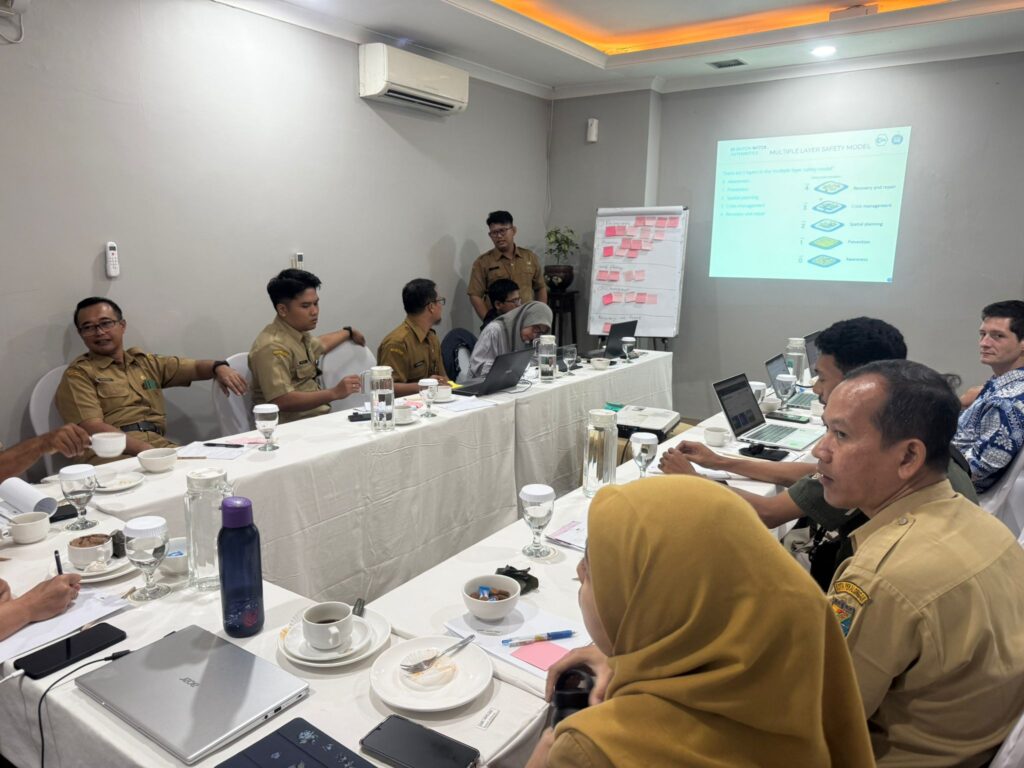
The workshop on early warning systems

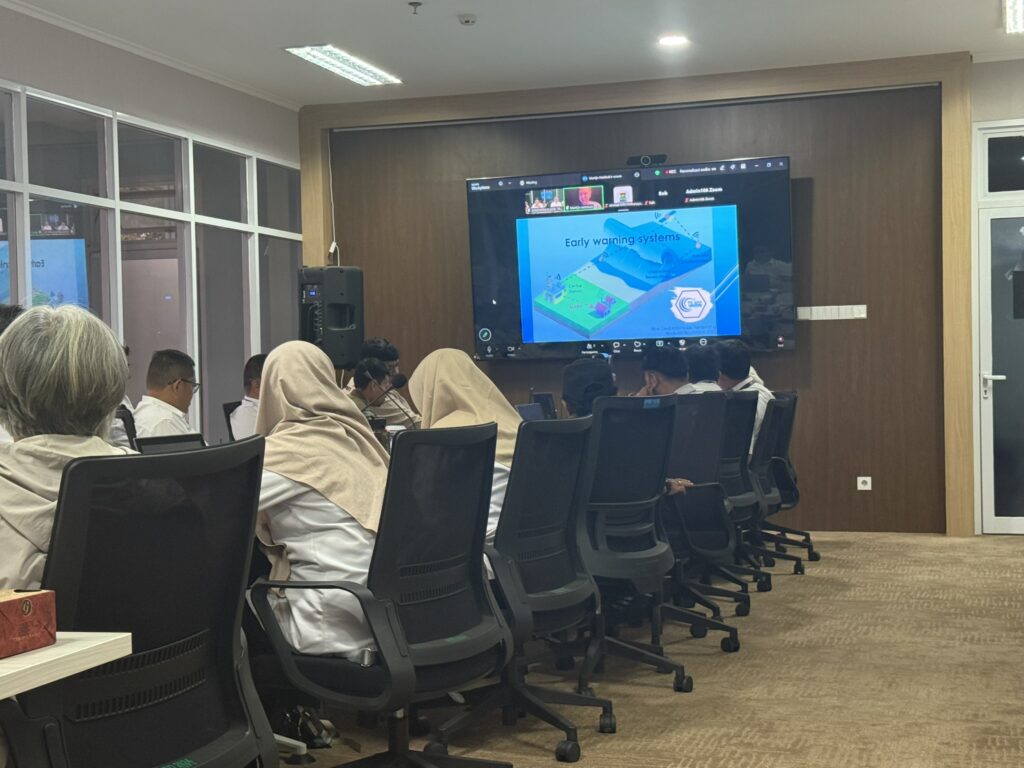
Tangerang: an early warning systems workshop

During a working visit to Tangerang, the Blue Deal team organised a follow-up workshop on early warning systems, building on the previous session in November 2025. This topic is highly relevant, as rapid urbanisation, limited drainage capacity and increasing rainfall intensity contribute to frequent flooding and other water-related risks. Strengthening early warning systems is therefore essential to better anticipate and respond to these hazards, and to reduce impacts on communities and infrastructure.

Participants worked in groups to discuss their roles, responsibilities and needs in both preparation and emergency phases. The sessions highlighted gaps in coordination, communication and data sharing, while also identifying opportunities to strengthen collaboration between institutions.

The workshop showed that effective early warning systems require not only technical solutions, but also clear agreements, timely information exchange and well-defined responsibilities. It provided concrete next steps towards a more coordinated approach in the region.
Video: Tangerang workshop on Early Warning Systems

Video: Tangerang workshop on Early Warning Systems

Education Program (social inclusion)

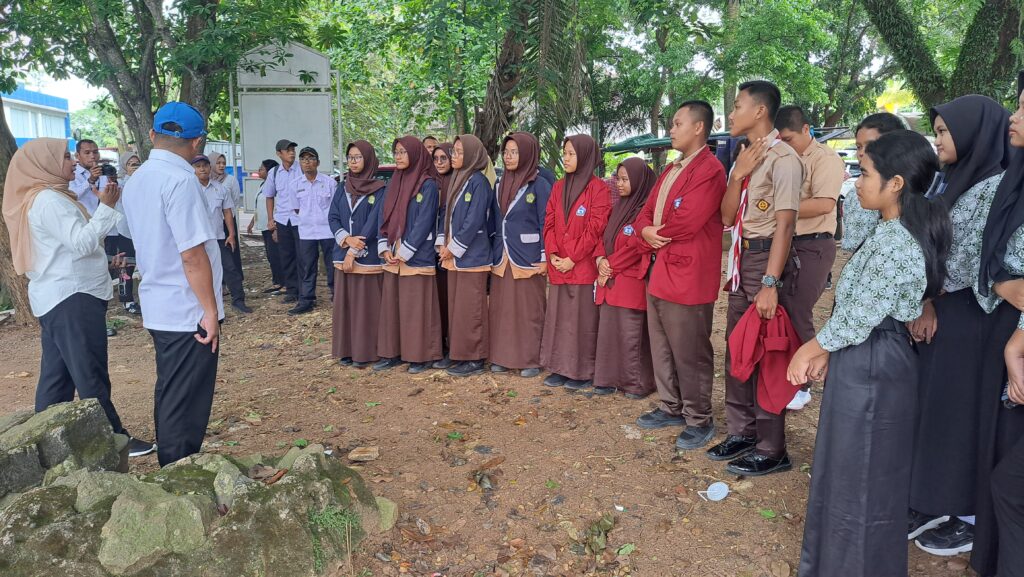
During the school visit to SMA Negeri 3 Pasar Kemis, located next to Situ Gelam (a small lake), the Blue Deal team gained insight into how flooding disrupts daily life and education. Each year, during the rainy season (between December and February), the school is flooded multiple times when Situ Gelam overflows. This results in temporary school closures, sometimes up to a week, preventing students from attending classes. This highlights not only the physical impact of flooding, but also its social consequences, particularly for equal access to education.
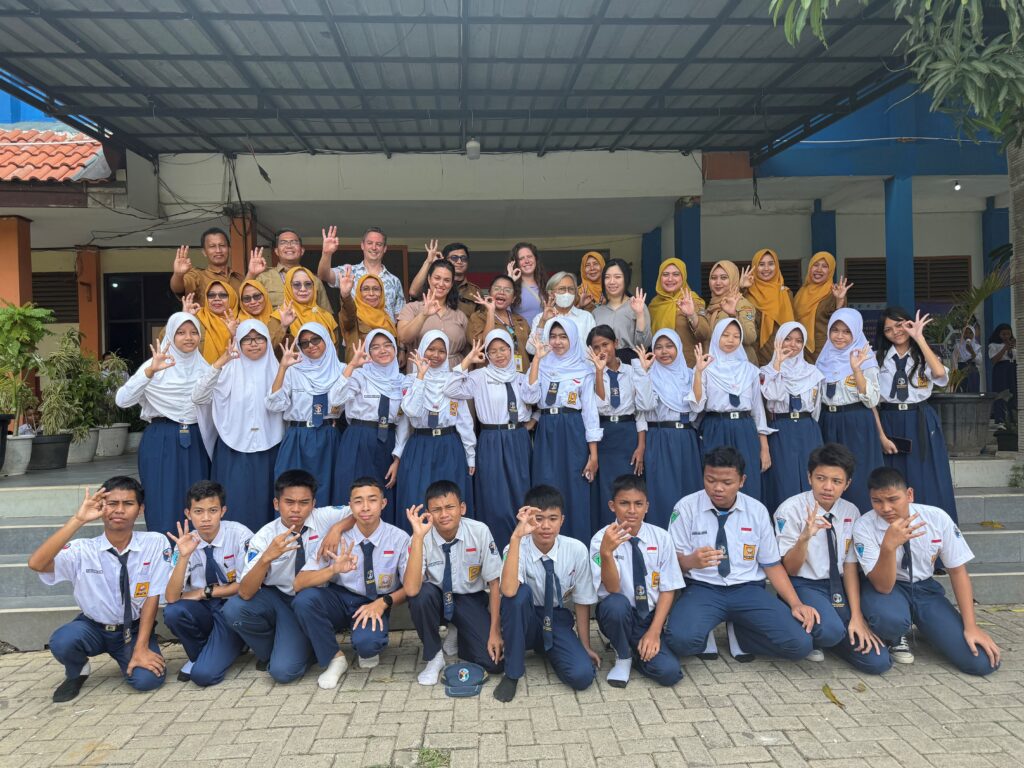
The students appreciated the interactive education session about flood resilience

An interactive session introduced students to the Dutch approach to living with water and the collaborative approach within the Blue Deal programme. Practical solutions, such as mobile flood barriers, were presented, to demonstrate how different measures can help reduce flood risks and protect communities.

A game on flood dilemmas encouraged students to explore the different perspectives and interests that come into play when making decisions about flood risk management. This highlighted that water management is not only a technical issue, but also a social one – where choices impact different groups in different ways.

The session contributed to greater awareness of social inclusion in water management. Students were encouraged to think about who is most affected by flooding – such as children, families with fewer resources, and nearby communities – and how solutions can be designed to be fair and inclusive. The visit showed that involving young people in these discussions is key to building a more resilient and socially inclusive future.
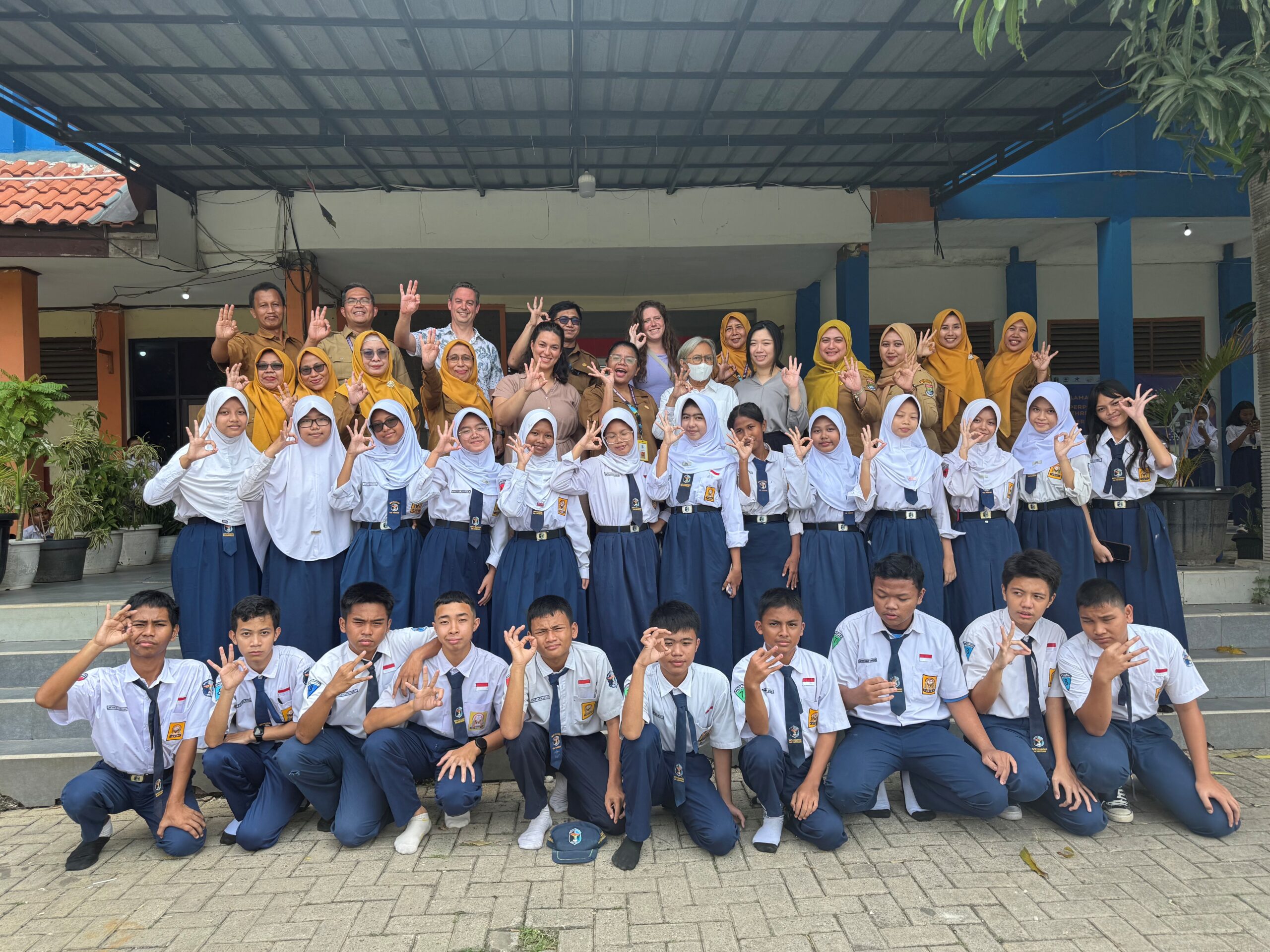
School visit and session on flood resilience<br>

School visit and session on flood resilience

Field visits: reservoirs, irrigation and drought resilience

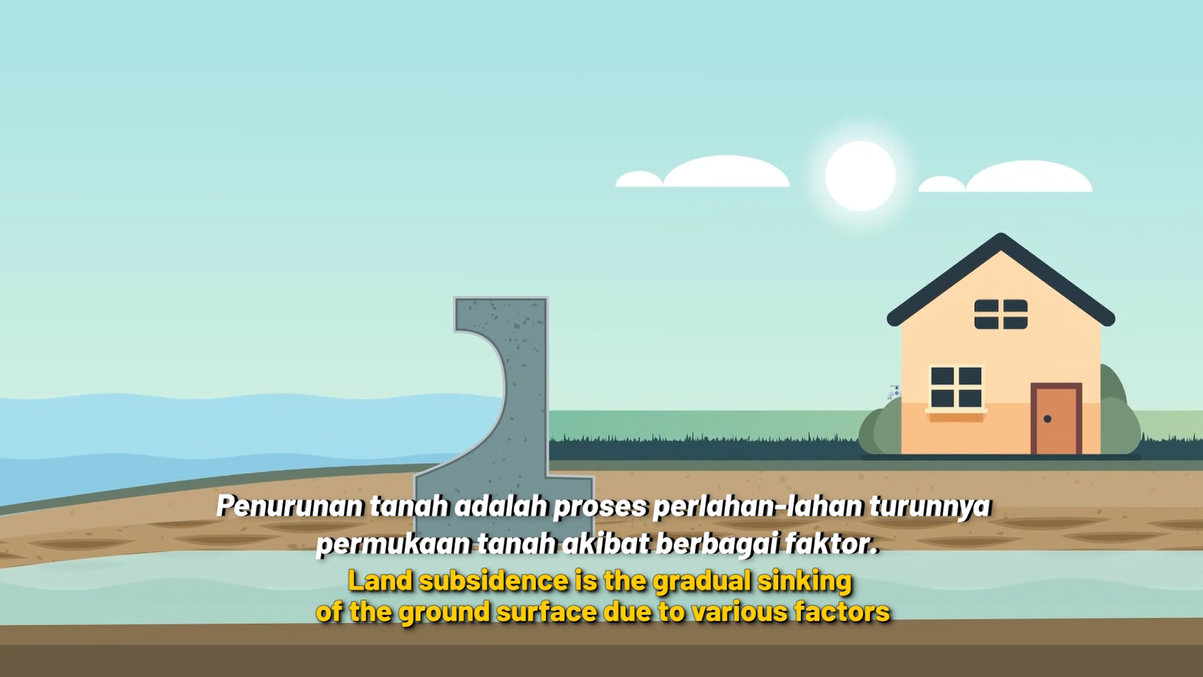
In April 2026, the Blue Deal team visited Trimulyo, an area heavily affected by flooding, land subsidence, and coastal challenges. The purpose of the visit was to gain a better understanding of the local situation and to explore potential solutions to improve the area’s resilience and livability. Together with local partners, they assessed current conditions and discussed daily challenges with local stakeholders, gaining an understanding of the impact of flooding and land subsidence on housing, infrastructure, and the communities.

The visit provided valuable insights into potential measures and interventions, such as improving water management, strengthening coastal protection, and identifying sustainable solutions that fit the local context. The visit marks an important step toward developing an integrated and future-proof approach for this vulnerable area. The insights gained in Trimulyo underscored the importance of combining technical solutions with a strong understanding of the social and spatial context.
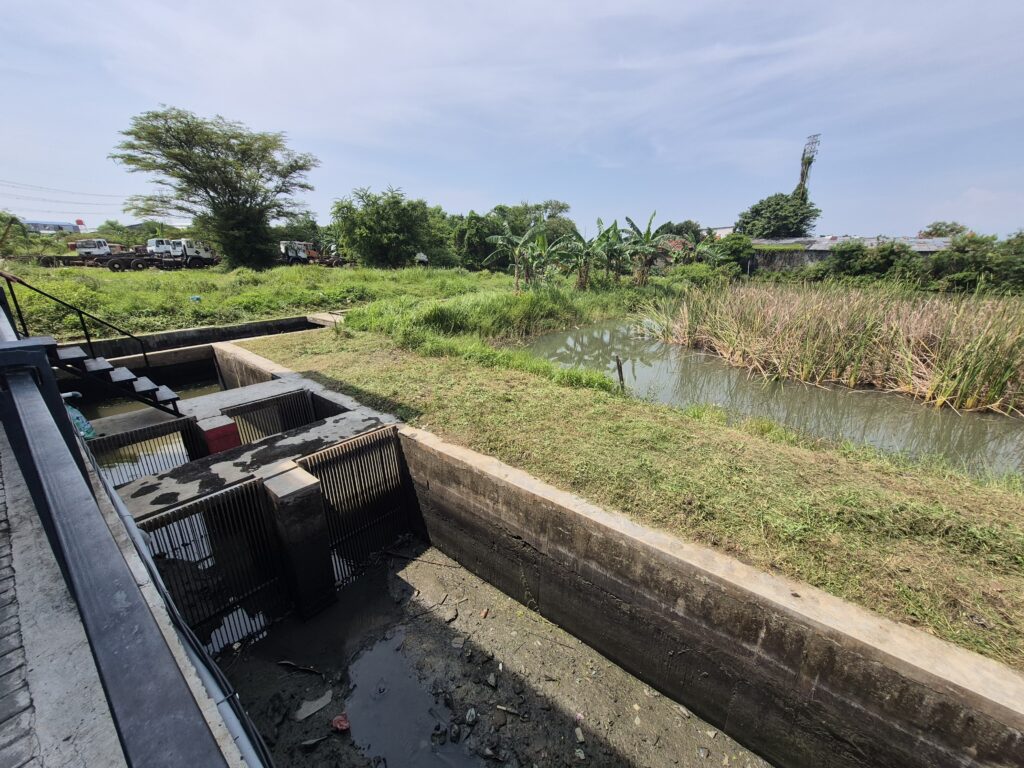
The area Tremulyo is very prone to flooding

A pilot project will be developed with stakeholders to explore integrated and sustainable approaches for the area.

Tangerang: a water retention basin

In Tangerang, a retention basin is currently being developed to help address flooding challenges in the region. A retention basin temporarily stores excess rainwater and river water during periods of heavy rainfall, reducing pressure on the drainage system and lowering the risk of flooding in surrounding neighbourhoods. Once completed, the project is expected to help at least 1000 residents experience less flooding and water-related disruption.
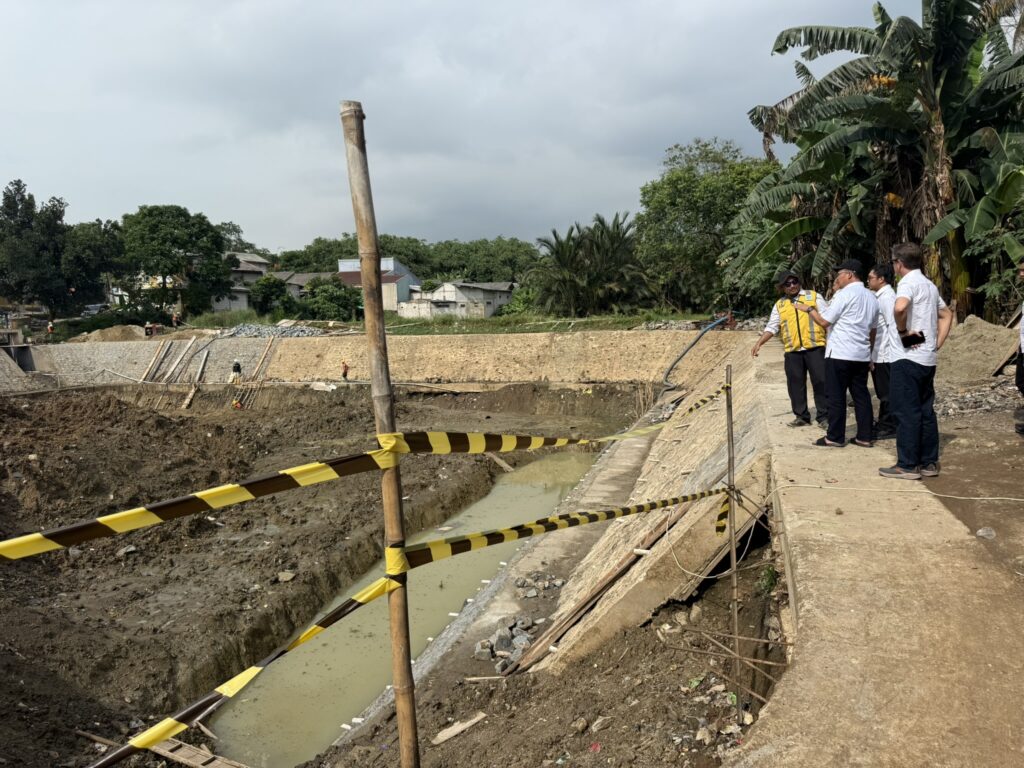
<em>A field visit to the water basin</em>

A field visit to the water basin

Our Blue Deal colleagues visited the site to exchange knowledge about the design, implementation, and challenges of this project. Field visits like these create valuable opportunities to share experiences and strengthen cooperation on climate adaptation and urban water management.

Indonesian delegation visit to the Netherlands

In June, a delegation from Indonesia visited the Netherlands for a week-long programme focused on knowledge exchange and strengthening collaboration within the Blue Deal. The visit combined strategic discussions with field visits, showcasing the Dutch approach to integrated and multi-layer flood risk management.

The programme started in Delft, followed by a visit to the Delfland Water Authority, where the Dutch approach to flood risk management was introduced and compared with the Indonesian context. Workshops throughout the week helped evaluate ongoing projects and define priorities for the next programme phase (2027–2030), while also building on insights gained during earlier IWRM training in Bandung.

Midweek, the delegation travelled to Alkmaar, where they were welcomed by representatives of Hoogheemraadschap Hollands Noorderkwartier (HHNK). Sessions focused on governance and flood crisis management, complemented by a knowledge exchange on crisis response approaches in Indonesia. Field visits included a wastewater treatment plant in Heiloo, a pumping station, and demonstrations of innovative monitoring techniques such as drones, LiDAR and machine learning.

Further excursions highlighted Dutch water infrastructure in practice, including the Markermeerdijken dike reinforcement project, the pumping station Westerkogge, and coastal locations in Volendam, Hoorn and Egmond aan Zee. These visits illustrated approaches to coastal protection, nature-based solutions and long-term maintenance.
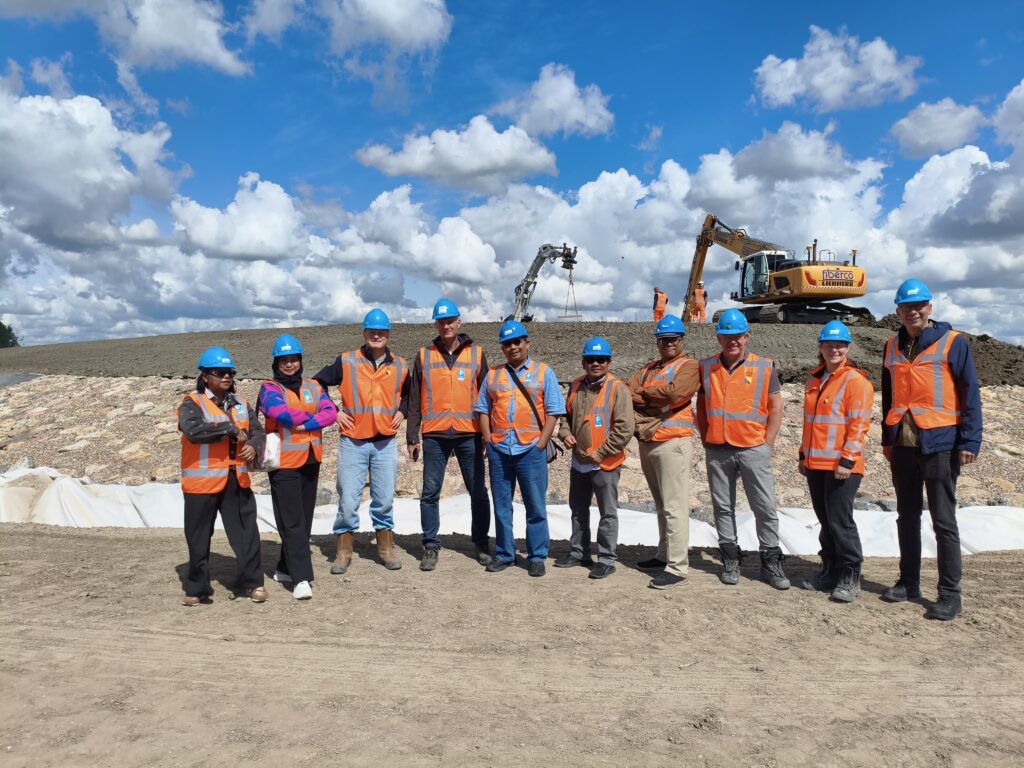
The Indonesian delegation during their field visit to Dutch water authorities

Overall, the programme provided practical insights into Dutch water management while strengthening partnerships and laying a solid foundation for the next phase of collaboration.
Strengthening Flood Resilience in Indonesia: From Semarang to Pekalongan and Tangerang

Indonesia faces growing challenges from flooding, demanding solutions that combine technical innovation with community engagement. Recent Blue Deal visits - to Semarang, Pekalongan and Tangerang - show how collaboration at different levels can build resilience and shared responsibility.

Semarang: Co-Creating Solutions After the Floods

Semarang’s recent flooding set the stage for a visit focused on co-creating solutions. Field inspections of affected areas and pumping stations provided practical insights into system vulnerabilities, while a workshop on monitoring helped define priorities for data collection and analysis. Meetings between the local water authority and the city’s planning agency laid the groundwork for an Integrated Water Resources Management (IWRM) pilot, ensuring coordination between implementation, planning, and basin management.

The Blue Deal team learnt that even shallow flooding can cause significant damage. To reduce future flood risks, Semarang is exploring innovative measures. These types of knowledge exchanges demonstrate that effective water governance depends on combining technical expertise with local knowledge and initiative.

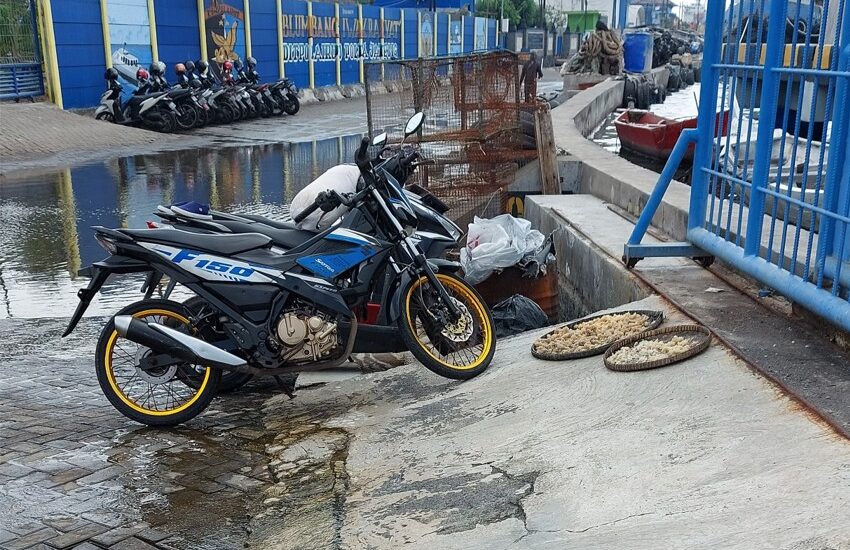
motorcycle in flooded area
In Semarang, recent floods have caused water issues in the region

Pekalongan: Building Awareness Through Education and Exchange

In another region, in Pekalongan, mutual learning was at the heart of the visit. Knowledge sharing sessions on crisis management brought together local authorities and Dutch experts to explore strategies for responding to floods and other water-related emergencies. Schools played a key role in raising awareness among the next generation: interactive lessons introduced students to water management, water quality, and the cultural differences between Indonesia and the Netherlands.

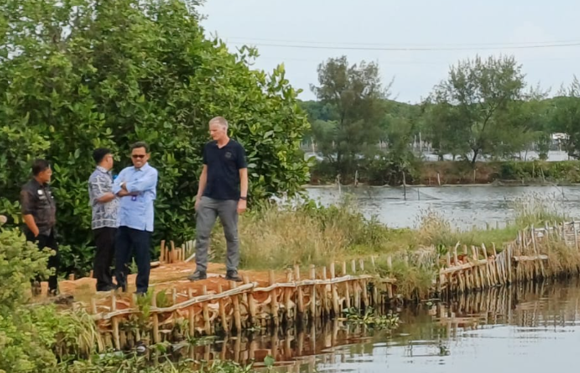
men at waterside pekalongan
In Pekalongan, the experts visit a dike that collapsed during recent floods. The breach has been closed using bamboo to seal the gap.

These sessions sparked lively discussions on how everyday actions – such as waste separation and maintaining drainage – can reduce flood risks. By combining technical expertise with local perspectives, these activities strengthen water governance and empower communities to take action. For Blue Deal, this approach reflects a core principle: sustainable water management depends not only on infrastructure but also on education, collaboration, and shared responsibility.

crisis management workshop pekalongan
During a crisis management workshop, Dutch and Indonesian water experts exchanged experiences

Tangerang: Youth engagement and multilevel collaboration

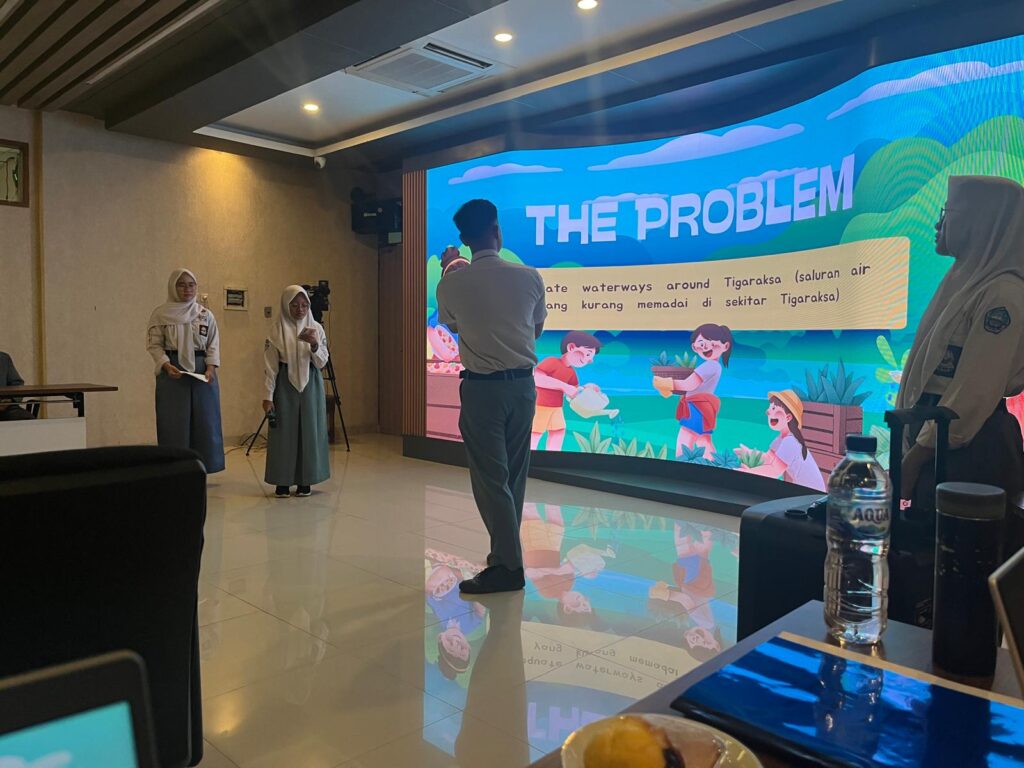
In Tangerang, flood resilience efforts also bring educstion and community dialogue together with strategic planning. Building on a learning trajectory started during a previous visit, Blue Deal worked with several schools to develop ideas for raising awareness among residents about their role in preventing floods. In the youth workshop, students explored practical measures such as harvesting rainwater for reuse or infiltration, maintaining drainage channels, and separating and collecting waste. The goal is to make these lessons a permanent part of the school curriculum.

The working visit also included a stakeholder meeting with the local community. The Bupati (district head) was so enthusiastic about the Blue Deal partnership, that he wanted to visit the neighbourhood to discuss flood issues. Residents were honoured to share their concerns about flooding in their neighbourhood with the Bupati, but solutions remain complex. In Bogor, located upstream, new construction is leading to increased runoff into Tangerang, requiring coordination on retention measures and compensation for new construction.

Finally, discussions with various agencies introduced the Dutch Multilayer Safety model, focusing on cooperation before, during, and after floods. Given the intensity of tropical rainstorms—often exceeding what Europe considers extreme—these conversations will continue in future visits. With climate change amplifying extremes, learning from these conditions is invaluable.

youth workshop tangerang
During a youth workshop in Tangerang, practical measures against flooding were discussed

A holistic approach

While the Semarang project focuses on technical solutions and system-level coordination, the Pekalongan and Tangerang projects highlight the power of education and community engagement. Together, these efforts highlight a holistic approach to flood resilience: combining infrastructure improvements with behavioural change and shared responsibility.

Raising awareness, inspiring action: how Indonesia’s youth are shaping water futures

In the city and region of Pekalongan, residents face annual flooding, severe land subsidence, and poor surface water quality. While the local government is investing heavily in infrastructure there’s a growing recognition that sustainable water management isn’t just about infrastructure - it’s about people. Community involvement is essential to finding lasting solutions, with children and students as key players in protecting the environment and improving quality of life.

Our partners are embracing this shift, developing tools and initiatives to actively involve these social groups in water-related challenges and solutions. 

To raise awareness, a video campaign was launched featuring a local influencer and produced in partnership with Blue Deal. Using humor, a relatable tone, and clear expert insights into the key issues, the video explains the challenges and highlights how residents can contribute to improvements. The campaign was officially launched by the Mayor of Pekalongan during the most recent Blue Deal visit. 

Trailer for awareness video in Pekalongan 2025

Trailer for awareness video in Pekalongan 2025

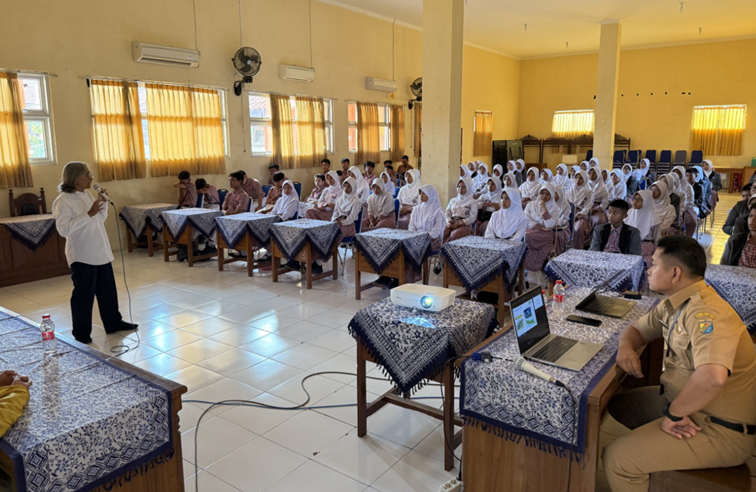
As part of the same awareness campaign, the Dutch Water Authorities (DWA) team was invited to give a guest lecture on water management at a local secondary school – empowering the next generation with knowledge and inspiration. 

Pictured: A guest lecture at a local secondary school 

Tangerang: Youth in Action

In Tangerang, youth engagement took center stage during a Blue Deal visit in May. A dynamic workshop with high school students kicked off with an introduction to water management and solid waste issues. Students were then challenged to develop ideas to improve their local environment. 

Through brainstorming sessions and school-based follow-ups, students presented a wide range of creative and enthusiastic solutions just days later. Together with our local partner, represented by the head of Bappeda, we are now exploring how to embed these types of awareness activities into a structured, long-term programme.

A cross-cutting theme within the Blue Deal programme is social inclusion. This example from our Indonesia partnership shows that the future belongs to the young generations – and they are ready to lead!

Pictured: Students present their solutions during workshops in Tangerang