
In April and May of 2026, four separate teams from the Dutch Water Authorities (DWA) visited Mozambique as part of the ongoing Blue Deal programme. Together, they covered the whole country, working side by side with the Mozambican Water Authorities (ARAs) and the National Directorate of Water Resources (DNGRH).
Each team focused on a specific theme: long-term programme planning, water quality and licensing, asset management, and urban drainage. Here’s an overview of what each working visit delivered.
Planning for the next phase (2027–2030)
A team consisting of Marijke Jaarsma, Nila Taminiau, Oscar van Zanten and Germain Bakker visited ARA Norte, ARA Centro and ARA Sul to gather input for the Multi-Annual Plan (MAP) for the next phase of the Blue Deal programme. The plan introduces a shift from working with “components” to “tracks”, each focused on clear outcomes such as improved data management or more effective water licensing.
At each location, the team facilitated interactive workshops in which ARA staff identified priorities, realistic targets and the activities needed to reach them by 2030. Engagement was strong at all three locations.
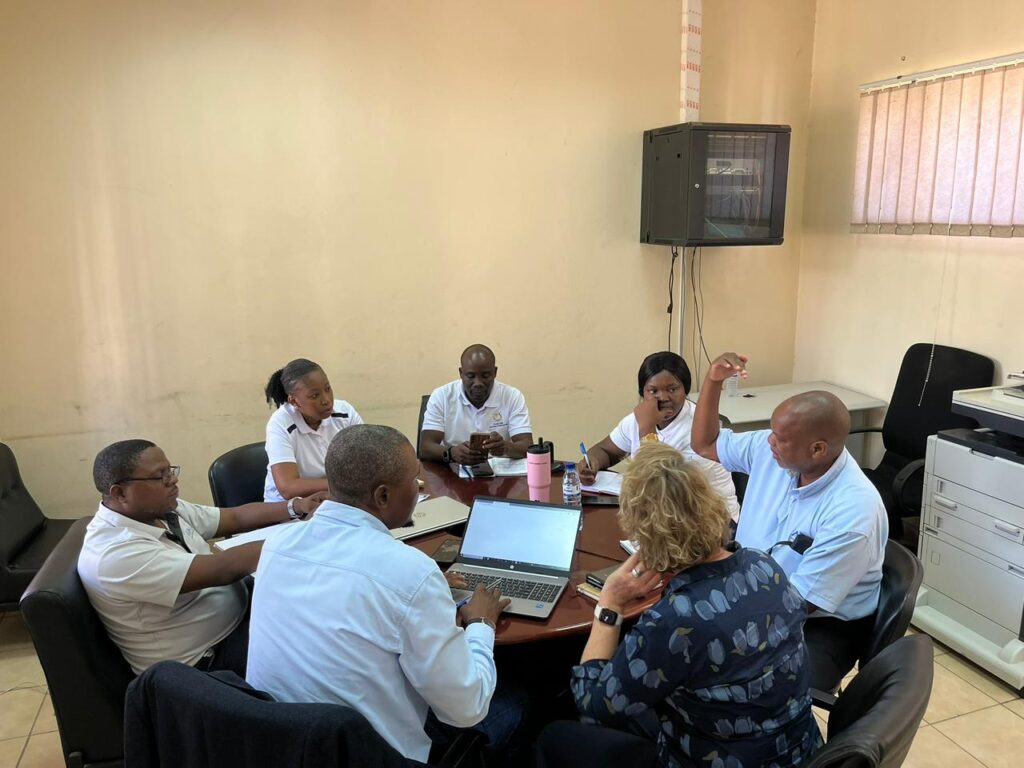
In Maputo, the visit concluded during Mozambican Women’s Day celebrations, offering a memorable moment as DWA colleagues joined the festivities.
A draft Multi-Annual Plan will be discussed during a partnership meeting in July or August.
Water quality and licensing workshop
Bert Jager and Robert Boonstra focused on water quality regulation, licensing and the enforcement of effluent discharge—one of the most complex issues in Mozambique’s water sector.
In Maputo, a two-day workshop at DNGRH brought together staff from all ARAs, DNGRH and partner organisations. Participants exchanged experiences on implementing Decree 52/2023, which governs effluent discharge standards, and discussed gaps in current licensing and enforcement practices.
The team then travelled to Nampula to meet ARA Norte and partners to explore the creation of a taskforce to address the impacts of artisanal gold mining upstream of Murrupula, which is causing sedimentation and water quality issues. A field visit to the mining area provided valuable first-hand insights.
ARA Norte will temporarily lead this taskforce, with support from the Blue Deal programme.
Urban drainage and aquatic plant control in Beira
Another DWA team visited Beira to collaborate with SASB (the Beira Autonomous Sanitation Unit) and the NGO FACE.
Ytzen Faber, Martin Bos and Jan den Besten focused on practical challenges in managing Beira’s urban drainage system, which faces ongoing pressure from flooding, solid waste and invasive aquatic plants.
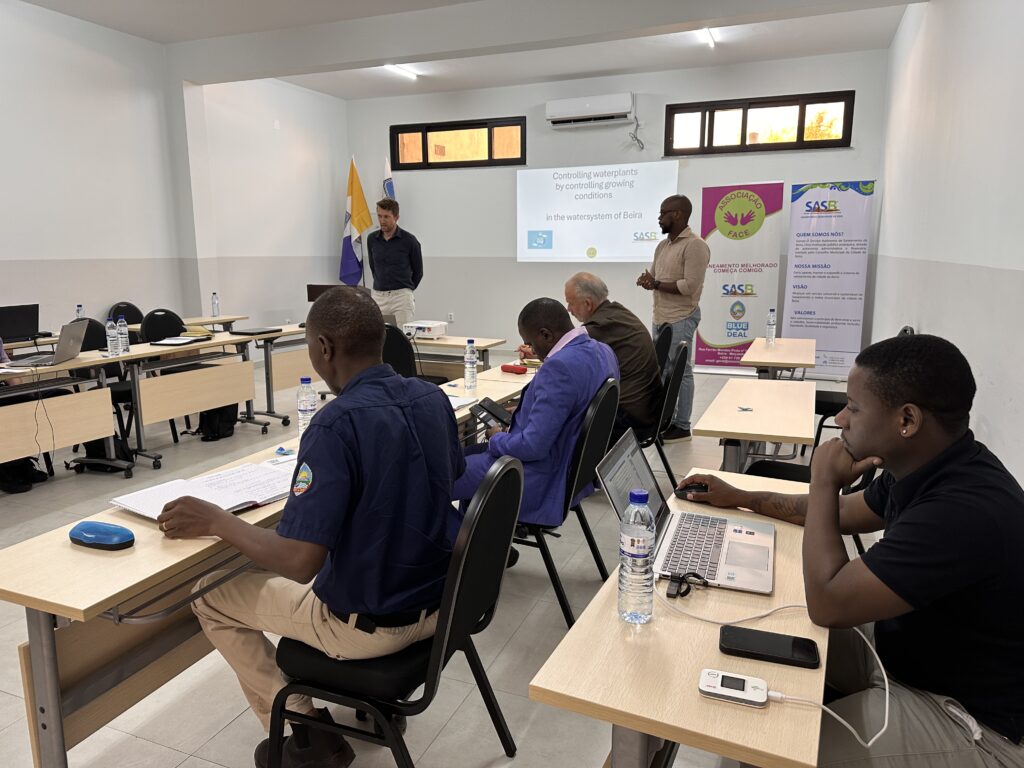
The team attended a community meeting in the Inhamizua neighbourhood, where a short play highlighting the risks of emptying pit latrines into drainage channels attracted strong public engagement.
FACE is now developing a proposal for floating barriers to capture waste before it clogs drainage infrastructure, building on an earlier Red Cross pilot. SASB presented its mapping of the city’s canal network and outlined plans for ditch cleaning ahead of the 2026–2027 rainy season.
A dedicated workshop explored two approaches to controlling aquatic plant growth in retention basins: raising water levels to limit reed growth and introducing controlled seawater inflow during dry periods. This resulted in three pilot proposals for canals and basins across the city.
Asset management training
In Maputo, a four-day asset management training took place at DNGRH, bringing together participants from ARA Norte, ARA Centro, ARA Sul, DNGRH and ISPS.
Asset management focuses on planning and maintaining water infrastructure—such as dikes, small dams and canals—in a structured, data-driven way that balances costs, risks and performance over time.
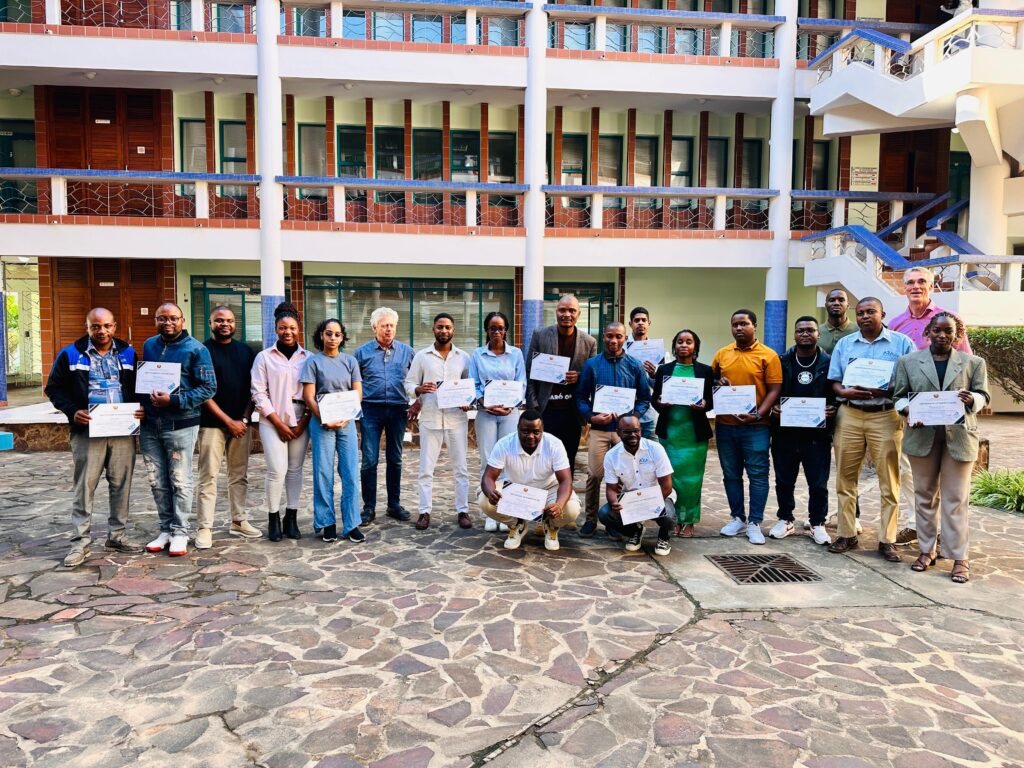
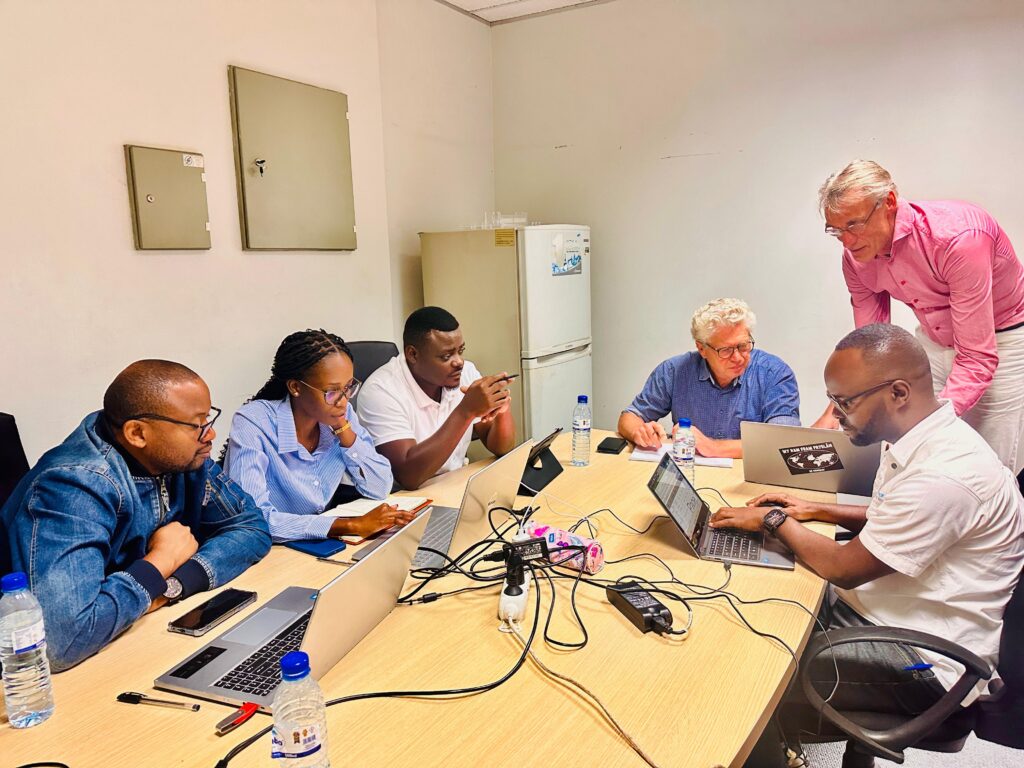
Trainers Pier Schaper and Jan den Besten introduced the core principles before participants worked in mixed groups to develop initial Operation & Maintenance (O&M) plans for small dams within each ARA.
These draft plans will be further refined and validated. At the same time, the ARAs are developing a tool to collect and store small dam inspection data via tablet or phone, synchronising it with a central cloud database.
Common threads and next steps
While the four working visits addressed different themes, several shared priorities emerged: the need for a functional national water database, stronger coordination between institutions, and a clear pathway for sustainable progress beyond the Blue Deal programme, which concludes in 2030.
Next steps already underway include a HydroNET training in June, a hydrometry blended learning programme from August to October, continued licensing reforms with DNGRH, and a partnership meeting in July or August to agree on priorities for the 2027–2030 Multi-Annual Plan.