
Indonesia faces growing challenges from flooding, demanding solutions that combine technical innovation with community engagement. Recent Blue Deal visits - to Semarang, Pekalongan and Tangerang - show how collaboration at different levels can build resilience and shared responsibility.
Semarang: Co-Creating Solutions After the Floods
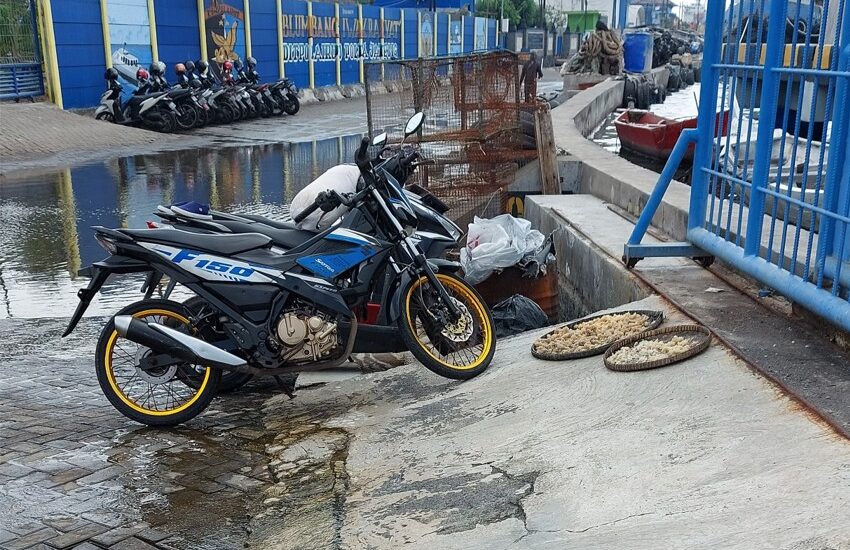
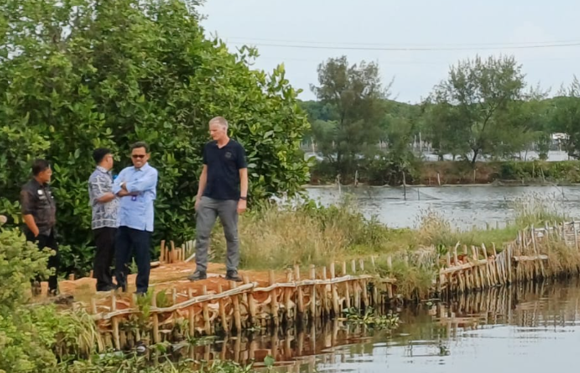
Semarang’s recent flooding set the stage for a visit focused on co-creating solutions. Field inspections of affected areas and pumping stations provided practical insights into system vulnerabilities, while a workshop on monitoring helped define priorities for data collection and analysis. Meetings between the local water authority and the city’s planning agency laid the groundwork for an Integrated Water Resources Management (IWRM) pilot, ensuring coordination between implementation, planning, and basin management.
The Blue Deal team learnt that even shallow flooding can cause significant damage. To reduce future flood risks, Semarang is exploring innovative measures. These types of knowledge exchanges demonstrate that effective water governance depends on combining technical expertise with local knowledge and initiative.
Pekalongan: Building Awareness Through Education and Exchange
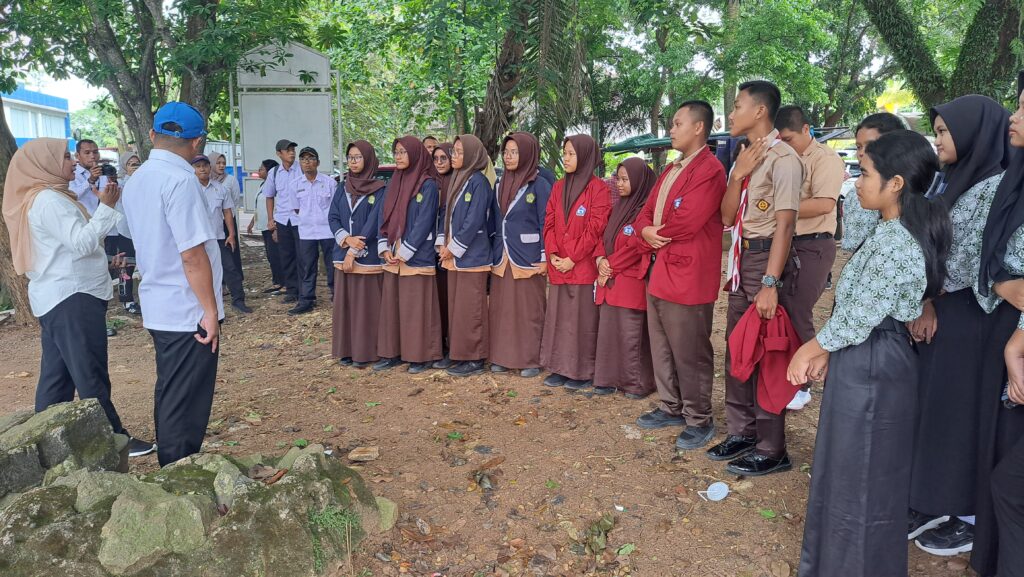
In another region, in Pekalongan, mutual learning was at the heart of the visit. Knowledge sharing sessions on crisis management brought together local authorities and Dutch experts to explore strategies for responding to floods and other water-related emergencies. Schools played a key role in raising awareness among the next generation: interactive lessons introduced students to water management, water quality, and the cultural differences between Indonesia and the Netherlands.
These sessions sparked lively discussions on how everyday actions – such as waste separation and maintaining drainage – can reduce flood risks. By combining technical expertise with local perspectives, these activities strengthen water governance and empower communities to take action. For Blue Deal, this approach reflects a core principle: sustainable water management depends not only on infrastructure but also on education, collaboration, and shared responsibility.
Tangerang: Youth engagement and multilevel collaboration
In Tangerang, flood resilience efforts also bring educstion and community dialogue together with strategic planning. Building on a learning trajectory started during a previous visit, Blue Deal worked with several schools to develop ideas for raising awareness among residents about their role in preventing floods. In the youth workshop, students explored practical measures such as harvesting rainwater for reuse or infiltration, maintaining drainage channels, and separating and collecting waste. The goal is to make these lessons a permanent part of the school curriculum.
The working visit also included a stakeholder meeting with the local community. The Bupati (district head) was so enthusiastic about the Blue Deal partnership, that he wanted to visit the neighbourhood to discuss flood issues. Residents were honoured to share their concerns about flooding in their neighbourhood with the Bupati, but solutions remain complex. In Bogor, located upstream, new construction is leading to increased runoff into Tangerang, requiring coordination on retention measures and compensation for new construction.
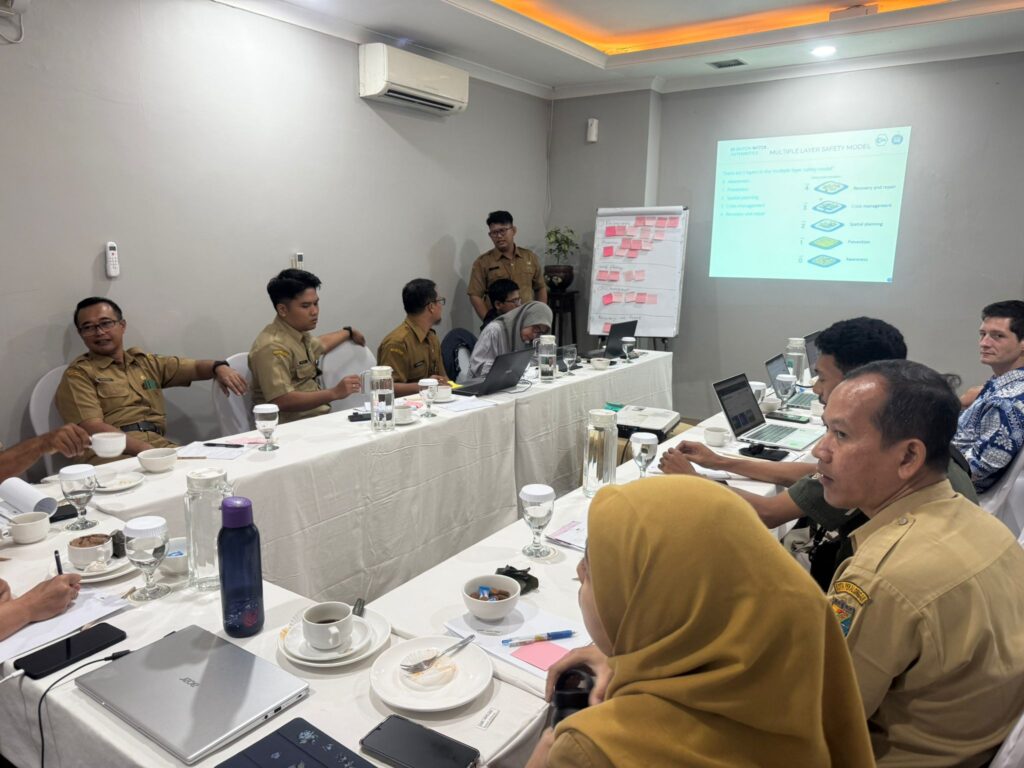
Finally, discussions with various agencies introduced the Dutch Multilayer Safety model, focusing on cooperation before, during, and after floods. Given the intensity of tropical rainstorms—often exceeding what Europe considers extreme—these conversations will continue in future visits. With climate change amplifying extremes, learning from these conditions is invaluable.
A holistic approach
While the Semarang project focuses on technical solutions and system-level coordination, the Pekalongan and Tangerang projects highlight the power of education and community engagement. Together, these efforts highlight a holistic approach to flood resilience: combining infrastructure improvements with behavioural change and shared responsibility.