High‑level Dutch delegation marks next phase of water cooperation in Romania

During a bilateral panel in Craiova, Dutch and Romanian water leaders visited key Blue Deal project sites, highlighting progress on drought resilience, river restoration and long‑term cooperation.

“We have moved beyond talking about issues.”
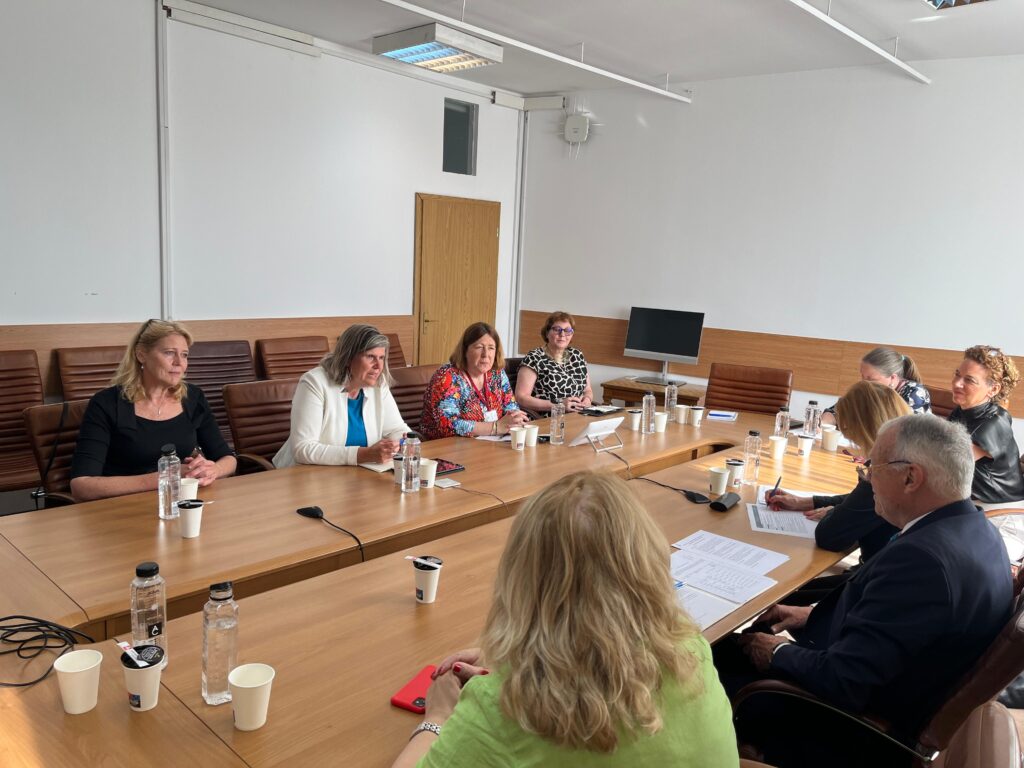
With these words, Willemijn van Haaften, Ambassador of the Netherlands to Romania, opened the 12th bilateral Dutch–Romanian Panel on Water Management. The meeting took place on 4 and 5 May in Craiova, a city along the Jiu River in Romania’s Oltenia region, situated between the Southern Carpathians and the Danube.

Since the launch of the Blue Deal programme, the bilateral panel has also served as the steering committee for the four Blue Deal projects in Romania. One of these projects, Tackling Drought, focuses partly on the so‑called Oltenian Sahara (Sahara Olteniei). This area, between Calafat and Dăbuleni, is affected by severe land degradation and desertification, impacting an estimated 80,000 to 100,000 hectares. The Blue Deal project aims to identify sustainable pathways to address these challenges.
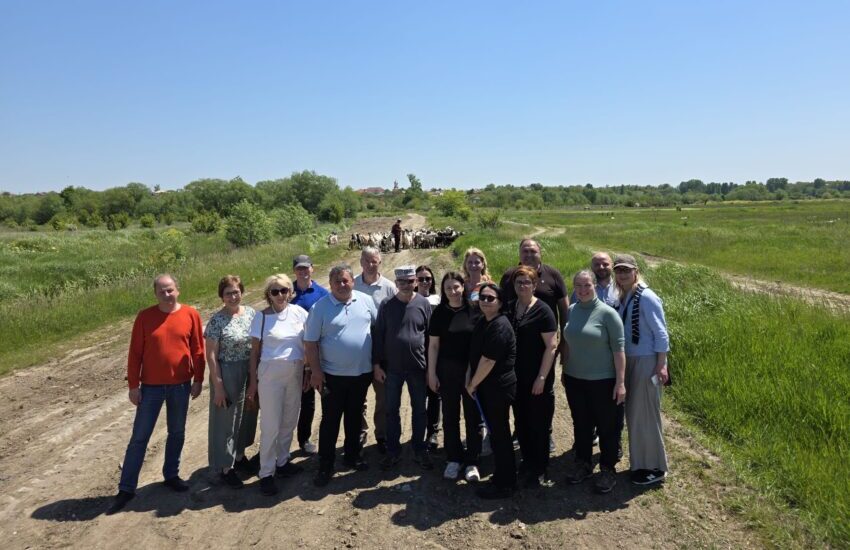
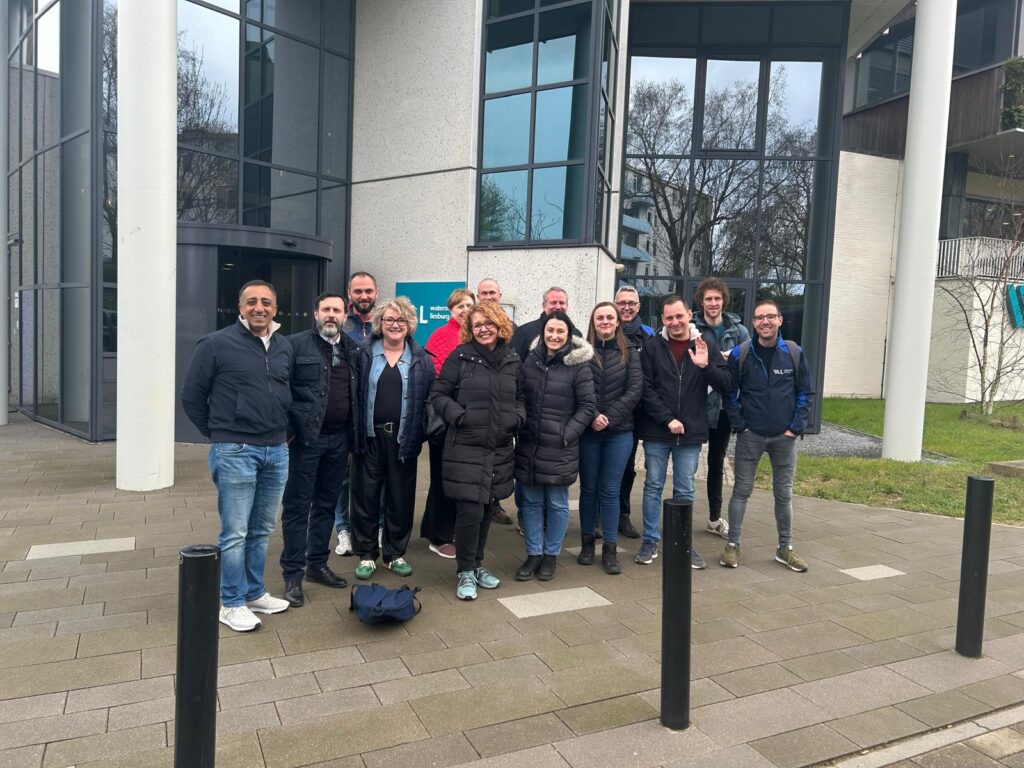
Working visit Craiova May2026 - group photo
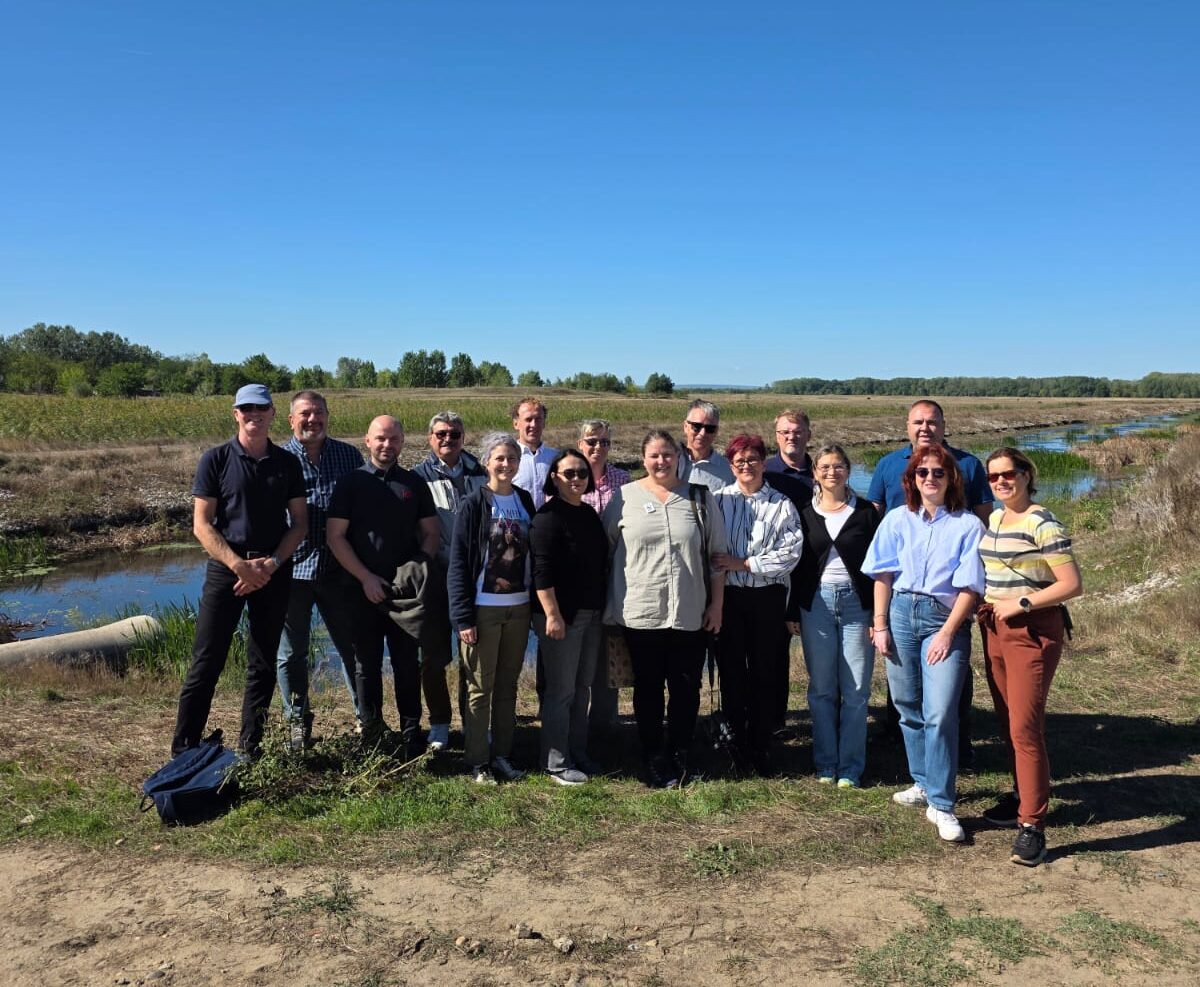
The Dutch delegation in Romania

Broad representation from water authorities

The panel was chaired by Luzette Kroon, dijkgraaf of Dutch water authority Wetterskip Fryslân. The Dutch delegation also included Marjon Verkleij, board member of Rijnland Water Authority, and Josette van Wersch, executive board member of Waterschap Limburg. In addition to representatives from Romania’s Ministry of Water, participants from Moldova were present. As an EU candidate country, Moldova is in the process of aligning its water legislation with European standards and is actively seeking best practices.

Key challenges in Romanian water management

During the meeting, the Netherlands embassy presented an overview of the current state of water management in Romania. At present, only 77% of Romanian households are connected to a public water supply. By 2030, authorities hope to reach 100%, but this represents a major national challenge. The total investment needed for drinking water and wastewater infrastructure is estimated at over €30 billion.

Sorin Rîndașu, Deputy Director at the Romanian Ministry of Water, highlighted that while European funding is available, there are ongoing challenges related to the absorption and effective use of these funds.

Field visits: reservoirs, irrigation and drought resilience

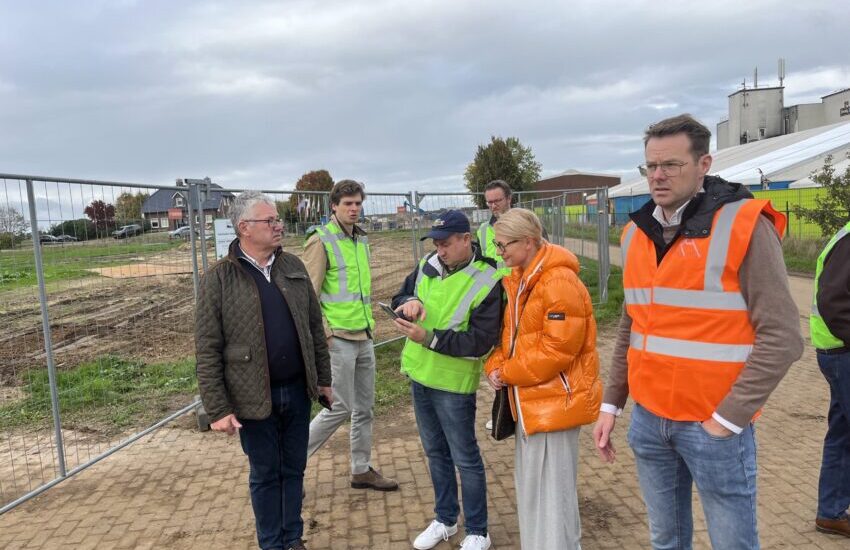
On the second day, the delegation visited several project locations, including the Isalnița reservoir on the Jiu River, a tributary of the Danube. The reservoir previously supplied cooling water to a coal‑fired power plant downstream. Following the decommissioning of the plant in line with the Paris Agreement, opportunities have emerged to use this water more effectively for agriculture.

Within the Tackling Drought project, the Blue Deal partnership has advised that water abstraction for irrigation from the Isalnița reservoir is more sustainable than current withdrawals from the Danube, as the reservoir is located at a higher elevation.

Another site visit focused on the Corabia–Sadova irrigation scheme, located on the left bank of the Jiu. Developed in the 1960s, the system consists of concrete channels pumping Danube water uphill over a height difference of approximately 160 metres. Originally designed to irrigate 70,000 hectares of agricultural land, the system has suffered from decades of underinvestment, as full rehabilitation would be energy‑intensive and unsustainable.
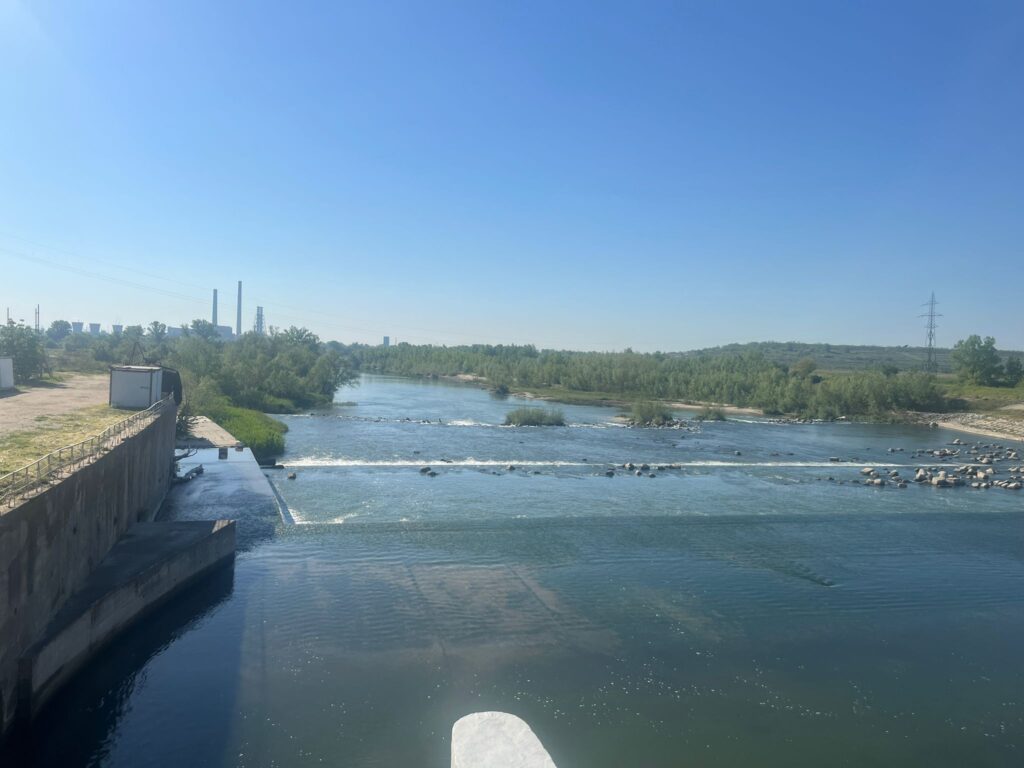
The Corabia–Sadova irrigation scheme, located on the left bank of the Jiu

The Corabia–Sadova area falls under two regional water authorities, Apa Jiu and Apa Olt. Within the Blue Deal project, it has been recommended to partially rehabilitate the irrigation system within the Apa Jiu district, while allowing space for reforestation in the northern sections.

Nature restoration in the Jiu Valley

The delegation also visited the Jiu Valley, a Natura 2000 protected area encompassing the Jiu River and its tributary, the Jiet (Little Jiu). The Dutch Water Authorities (Unie van Waterschappen) is an associate partner in the EU Interreg project Interlink Hard, which focuses on river and ecosystem restoration.

Planned measures include restoring river meanders, creating floodplain areas designed for pollinators, removing vegetation barriers to improve fish migration, and reconnecting the Jiu River with the parallel Jiet River. This reconnection is expected to prevent the Jiet from drying out during late summer.

The Interreg project, with a total budget of €3.5 million, will also involve deep borehole investigations to better understand groundwater conditions and soil composition. These data are highly relevant for the Blue Deal Tackling Drought project, as they will contribute to a more robust assessment of the water balance in the Jiu basin.
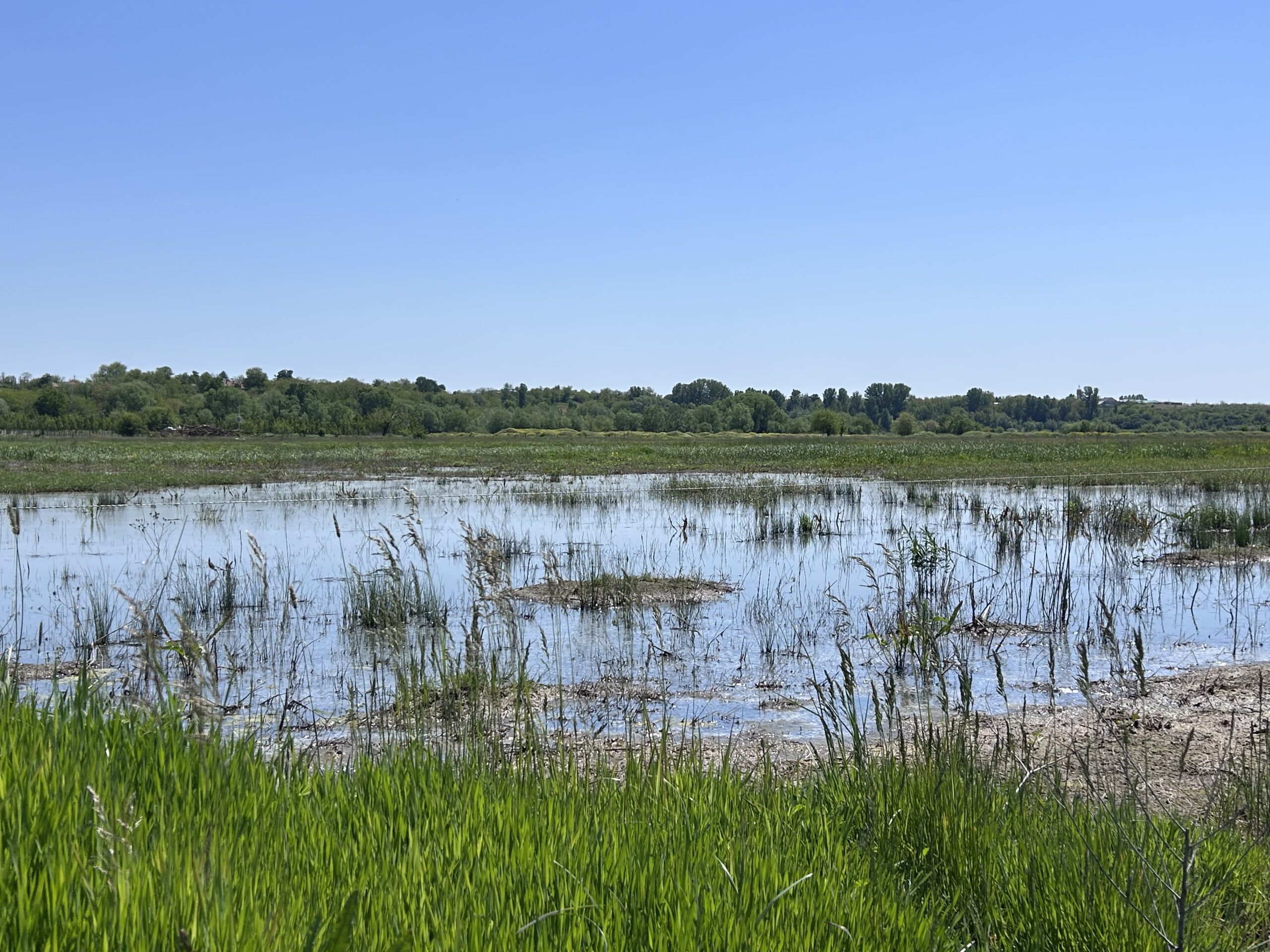
Isalnița reservoir on the Jiu river
The Jiu river valley

Looking ahead: ensuring continuity of the Blue Deal partnership

During the panel discussions, participants also reflected on the importance of ensuring long‑term continuity for the Blue Deal partnership in Romania, particularly in light of changes in the funding landscape expected after 2028. The coming years will therefore focus on aligning shared ambitions, partnerships and financing arrangements to support the continued implementation and scaling up of results.

By combining national cooperation, EU programmes such as Interreg and the commitment of participating water authorities, the Dutch–Romanian partnership aims to build on the progress made so far and continue advancing climate‑resilient and sustainable water management in the years ahead.
From plans to practice: tackling floods in the Dutch-Romanian partnership

During the Tackling Floods work visit in March 2026, Water Authority Limburg in Roermond welcomed Dutch and Romanian partners for an important next step in their collaboration.

While previous exchanges largely focused on sharing knowledge, this visit marked a clear shift towards deepening relationships and turning ideas into practical action. Particular attention was given to advancing three joint projects and strengthening stakeholder engagement.

The work visit brought together experts from several Dutch water authorities, Romanian water authorities and Dutch knowledge institutes (IVK). The opening session highlighted the importance of international cooperation within the Blue Deal programme. By pooling knowledge and experience, partners are better equipped to tackle a shared challenge: improving protection against (flash) floods.

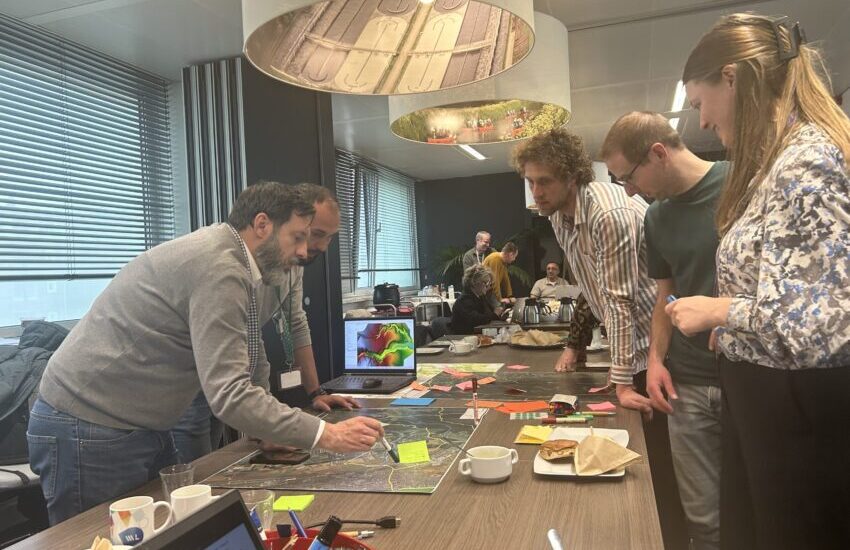
Romanian - Dutch experts focus on tackling floods
The Dutch and Romanian water experts work on the topic of floodsin Roermond

From knowledge to action

Throughout the week, participants worked on three case studies in Romania: the Nigel River, a damaged dam near Măgura, and flooding issues around a railway underpass in Bacău.

Technical sessions and field visits in South Limburg provided both inspiration and practical insights. Participants explored how Nature-Based Solutions, such as restoring natural river processes, can be combined with more traditional engineering measures. The focus noticeably shifted from exploring possibilities to shaping concrete next steps.

For both the Nigel River and the damaged dam, partners agreed to initiate feasibility studies. Early sketches of potential measures were developed and will be elaborated into technical designs in the next phase. Step by step, the collaboration is beginning to deliver tangible outcomes.

Putting stakeholders at the centre

Another key theme during the work visit was stakeholder management. Dedicated sessions focused on how to involve stakeholders more effectively, including local authorities, landowners and users of the area. Together, participants worked on:

  • updating stakeholder analyses, including SWOT assessments,
  • defining tailored strategies for different stakeholder groups,
  • and planning concrete actions such as meetings and site visits.

Discussions made clear that strong stakeholder engagement can make or break a project. Limited cooperation from landowners and regulatory constraints around infrastructure remain real challenges. At the same time, active involvement of local decision-makers – such as mayors – can help unlock progress and build momentum.

The Romanian experts visit to the Dutch water authority Limburg

Building towards the next phase

Beyond technical discussions, the work visit also strengthened the partnership between all involved. A set of clear follow-up actions has been agreed, ranging from further technical analyses and deeper exploration of Nature-Based Solutions to enhanced knowledge exchange, stakeholder strategies and identifying funding opportunities within European programmes.

In the coming months, partners will focus on carrying out feasibility studies, refining designs and engaging stakeholders on the ground. The collaboration will continue in September 2026 with a follow-up meeting in Bacău, Romania, where progress will be reviewed and new steps will be defined.

This work visit marks a clear shift in the partnership: from learning to doing, from exploring ideas to shaping real solutions. An important step towards more resilient and sustainable approaches to flood risk management.

Visiting a non-permanent reservoir (Nature-based Solutions) in Limburg with the delegation

Blue Deal Romania: Advancing water financing solutions

In October 2025, the second mission under the Blue Deal Economic Mechanism project took place at Waterschap Limburg in Roermond.

This location was no coincidence. Waterschap Limburg has been closely involved with Romania’s water sector since the very beginning of the Dutch-Romanian collaboration in 2006. One of the key figures from that time, Philip Daelmans, remains actively engaged and helped design a diverse and insightful programme together with his colleagues.

Why water financing matters

Financing water management is a challenge faced not only in Romania but across many Blue Deal partnerships worldwide. Sustainable funding is essential for maintaining infrastructure, improving services, and meeting long-term water security goals. The Dutch water authorities have developed a unique tax system that ensures stable financing for water management, an approach that sparks interest from many countries looking for practical solutions.

group of blue deal romania tours waterschap limburg
The Romanian delegation was shown around the Water Authority in Roermond, Limburg

Key themes and discussions

The workshops focused on several pressing topics, with a recurring theme being how Romanian water authorities generate income. Unlike in the Netherlands, revenue collection in Romania is not as straightforward as levying taxes on citizens. While taxes are collected, the process is far more limited and labour-intensive. The challenges, struggles, and potential solutions for improving revenue streams were discussed in depth. A highlight was the presentation by Rianne Janssen, tax specialist at Waterschap Limburg, who explained Limburg’s tax collaboration model – sparking great interest among Romanian participants.

The topic is key, as the European Commission announced a new dialogue with Romania to improve implementation of EU water legislation. Local impact – financial and social – must be delivered through credible water credit systems.

Another major focus was cost reduction. One example is the shift toward digital invoicing and electronic signatures, which can significantly improve efficiency. The Romanian delegation shared their progress in this area, and several participants presented the financial situation of their own water authorities.

Building better financial insights

The mission also addressed the development of a new Management Information System in Romania. This system aims to provide clearer insights into the finances and performance of Romanian water authorities. Progress has been promising, following guidance provided by World Bank on this front.

Looking ahead to 2026, there is plenty to build on. This mission was a success both in terms of content and relationships. Clear action points have been defined for the next mission, scheduled for June 2026 in Oradea, with an interim digital meeting planned for early 2026.

Steps towards inter-regional water partnerships in Romania

In September, six water professionals traveled to Romania as part of the Tackling Drought project work visit. Central to this working visit was the submission of an Interreg Romania-Bulgaria proposal to the European Commission. This proposal, aiming for €3.5 million in funding, would support the achievement of important goals of the Romanian Blue Deal partnership, including rehabilitation of the Jiet river. This foreseen rehabilitation with Nature-based Solution intends to ensure increased retention of water, in order to ensure sufficient availability of water in dry periods for various purposes including for agriculture.

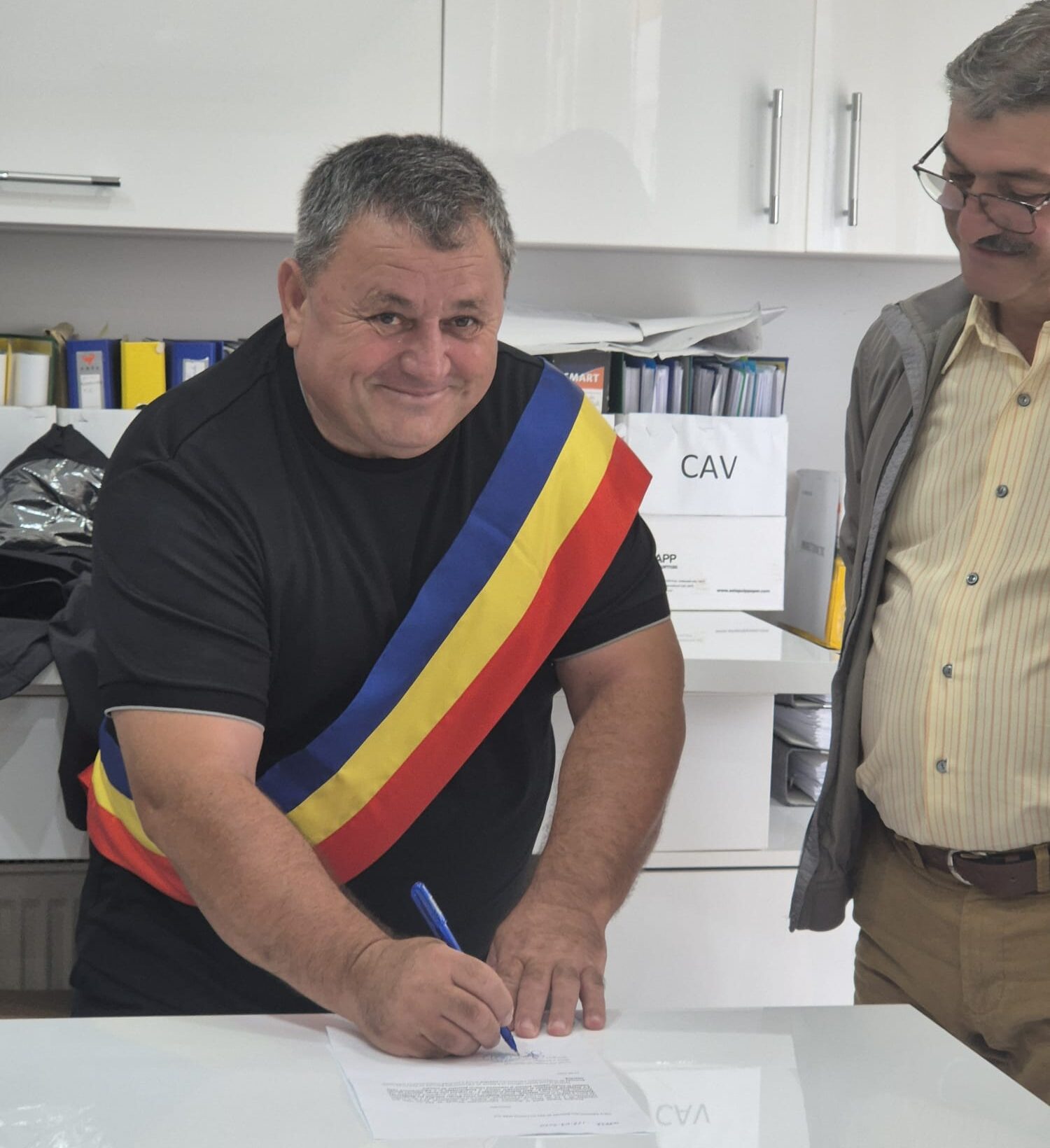
A milestone of the visit included a trip to the town of Rojiste, where the Dutch and Romanian water experts were welcomed by the mayor. He signed a declaration required for a subsidy application, aiming to connect the Jiet river and the Jiu river. Such a connection would improve the water supply downstream of the Jiet River, which is essential for this natural area. The initiative is part of the broader Interreg proposal addressing various Nature-based Solutions in Romania and Bulgaria. Dutch Water Authorities are participating as an associate partner in the proposal.

Pictured: The mayor of Rojiste signs a declaration in support of the Inter-regional proposal

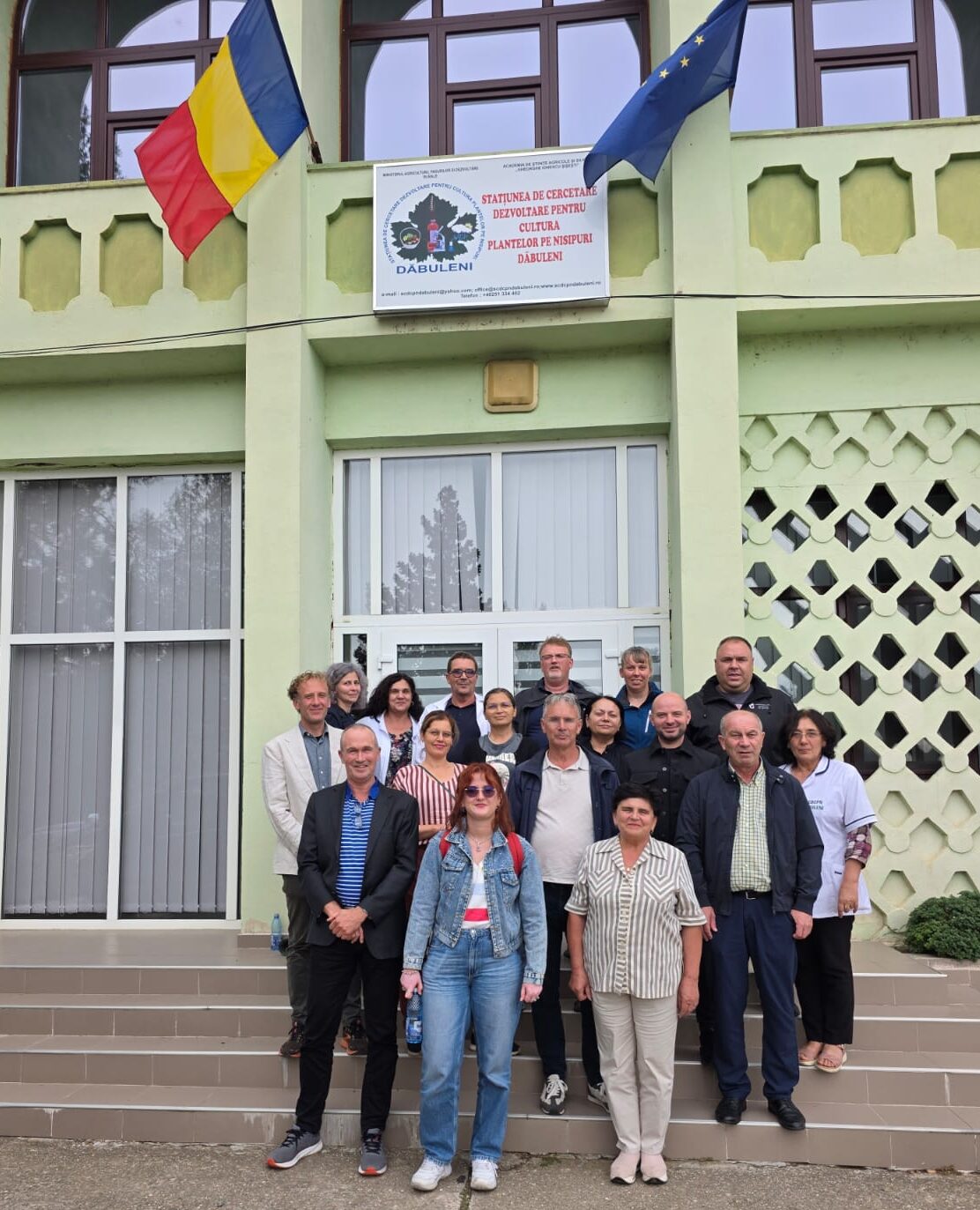
The group also visited the Dabuleni Research Institute. The institute does a lot of research into drought and how to manage this. They are specialised in various drought issues faced by the region, including challenges related to irrigation systems, such as groundwater extraction and what the long-term effects would be on groundwater levels. But also issues related to maintenance of channels, or energy costs related to pumping water from the Danube (and how this should be priced).

Pictured: A visit to Dabuleni Research Institute

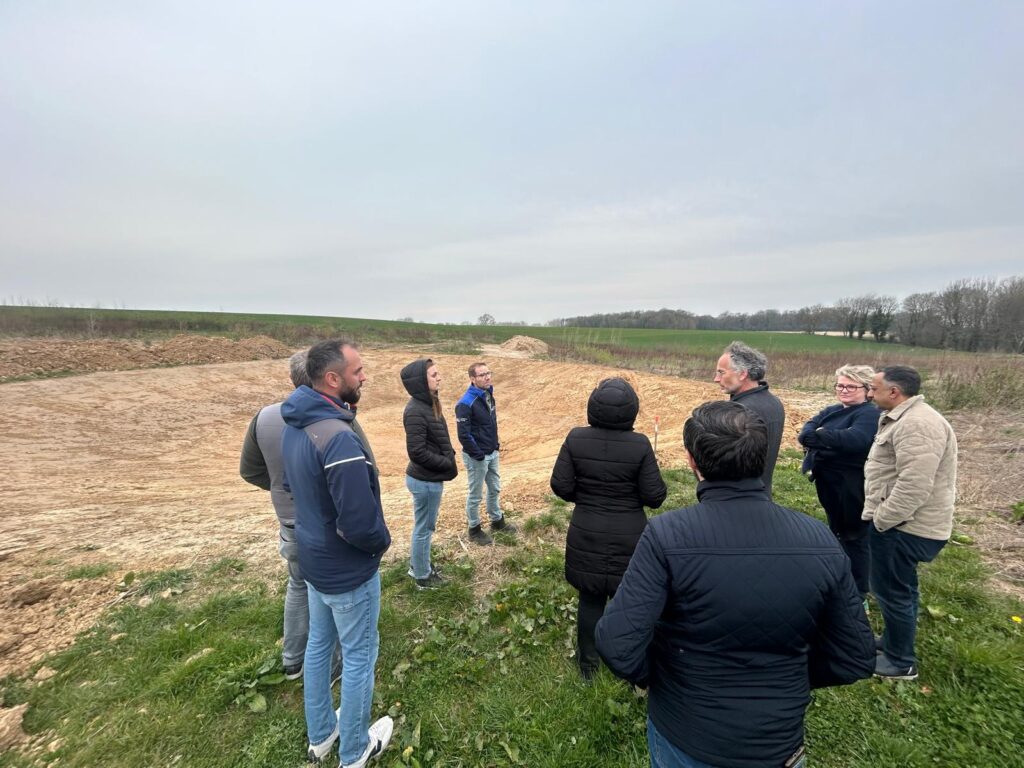
The Dabuleni Research Research Institute is also a partner in a sub-project which the Blue Deal Romania team is collaborating with WWF Romania, restoring a historical water source. Together with our Romanian partners and WWF, the site of this restoration was visited. It is a challenging project that will require extensive stakeholder management with local parties, such as farmers, to discuss topics such as water allocation.

Pictured: Blue Deal Romania and local partners together with WWF during a field visit

From plan to practice: Romania and the Netherlands strengthen water management with smart tools 

For over 25 years, Romania and the Netherlands have worked together to improve water management. This long-standing partnership focuses on four major challenges: tackling floods, addressing drought, securing sustainable financing, and developing smart tools like Decision Support Systems (DSS). In 2024–2025, the collaboration has taken another step forward with concrete results and high-level exchanges.

DSS Project: From Training to Implementation  

In May 2024, the NWB Fund approved the project “Creating a pre-operational DSS for reservoir management in the Upper Argeș River Basin.” The first training, delivered with support of HKV and Deltares, took place in late 2024 and early 2025 to Romanian water managers, meteorologists, and policymakers. Participants developed digital models of reservoirs in their own regions, introducing them to real-time control tools and modeling techniques. The training was well received, with participants appreciating the level of difficulty and providing valuable feedback for the second training scheduled for September 2025.  

Dutch delegation in Romania June 2025
Pictured: A Dutch delegation, including Meike van Ginneken (Dutch Water Envoy) and Luzette Kroon (Dutch Water Authorities) speaking with the Romanian Minister of Sustainable Development

Why a DSS Matters:  A Decision Support System (DSS) is a digital tool that helps water managers make better decisions – for example, when to release or store water in reservoirs. It combines data, models, and expert knowledge to simulate different scenarios. In times of drought or heavy rainfall, a DSS can help prevent damage and ensure water is used wisely. As climate extremes become more frequent, these tools are essential for smart, future-proof water management. 

High-Level Visits Strengthen Collaboration 

On 13–14 May 2025, a Romanian delegation visited the Netherlands to explore the abovementioned DSS implementation strategies. They met with Dutch experts at Deltares, the Rijnland and Zuiderzeeland Water Authorities, and Rijkswaterstaat. The visit focused on translating Dutch experience into Romanian practice. 

This week, a Dutch delegation, led by Dutch Water Envoy Meike van Ginneken, is visiting Romania to deepen cooperation. It is also an opportunity to start the preparations for the next project phase of the Blue Deal partnership.  

Four Shared Challenges, One Strong Partnership 

The DSS project is just one of the four themes being addressed through the broader collaboration between the Netherlands and Romania, focusing on key water challenges: 

  • Tackling Floods: (Partner: River Basin Authority (RBA) Siret) 
    The 2021 Limburg floods showed that we need to be prepared for flash floods. Dutch partners have learned from Romanian approaches to flash flood response. 
  • Tackling Drought through Stakeholder Engagement (Partner RBA Jiu)
    The team created a short video on this topic, shown below. 
  • Securing Sustainable Water Financing
    Romania recently approved new legislation expected to generate 25% of the National Administration “Romanian Waters” (NARW)’s income.
  • Developing a DSS for Reservoir Management (Partner:
    As highlighted in this news item, the DSS project is on track, with training underway and strong interest in scaling up. 

Results So Far

Aside from the update mentioned here, there are several results highlights achieved in this period, made possible through strong collaboration with Romanian Waters and other partners in the programme. These include:  

  • A pilot water management plan was developed for the Dăbuleni area
  • A surface water model was built with IHE-Delft
  • A stakeholder engagement strategy was created for the Siret region
  • A training program for real-time control tools (RTC Tools and Delft-FEWS) was launched with €150,000 in additional funding
  • Moldova water delegates joined Blue Deal trainings, with discussions ongoing for deeper cooperation

During the high-level visit to Romania, Luzette Kroon (Dutch Water Authorities) said: “The Romanian-Dutch Blue Deal partnership has proven to be an effective way of exchanging knowledge and implementing pilots. We are not only addressing immediate challenges like floods and droughts, but also building a resilient framework for future water security in Europe.”