Mali delegation visits the Netherlands

"Ce partenariat est sincère!” (This is a genuine partnership) With these words, Mr. Drissa Traoré, Technical Advisor to the Minister of Environment, Sanitation and Sustainable Development of Mali, closed a productive week of exchange and reflection on Friday 19 June.

From 15 to 19 June, a high-level delegation from ANGESEM, led by Director-General Mrs Doussouba Doumbia, visited the Netherlands. Accompanied by Mr Drissa Traoré, Mr Moumouni Damango (Embassy of the Kingdom of the Netherlands in Bamako) and colleagues from SNV Mali, the delegation reviewed progress within the Blue Deal partnership, exchanged management experiences and explored opportunities to further strengthen collaboration with its Dutch partners.
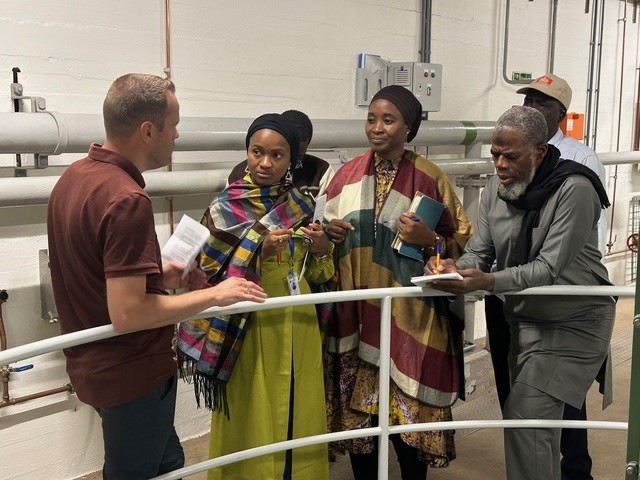
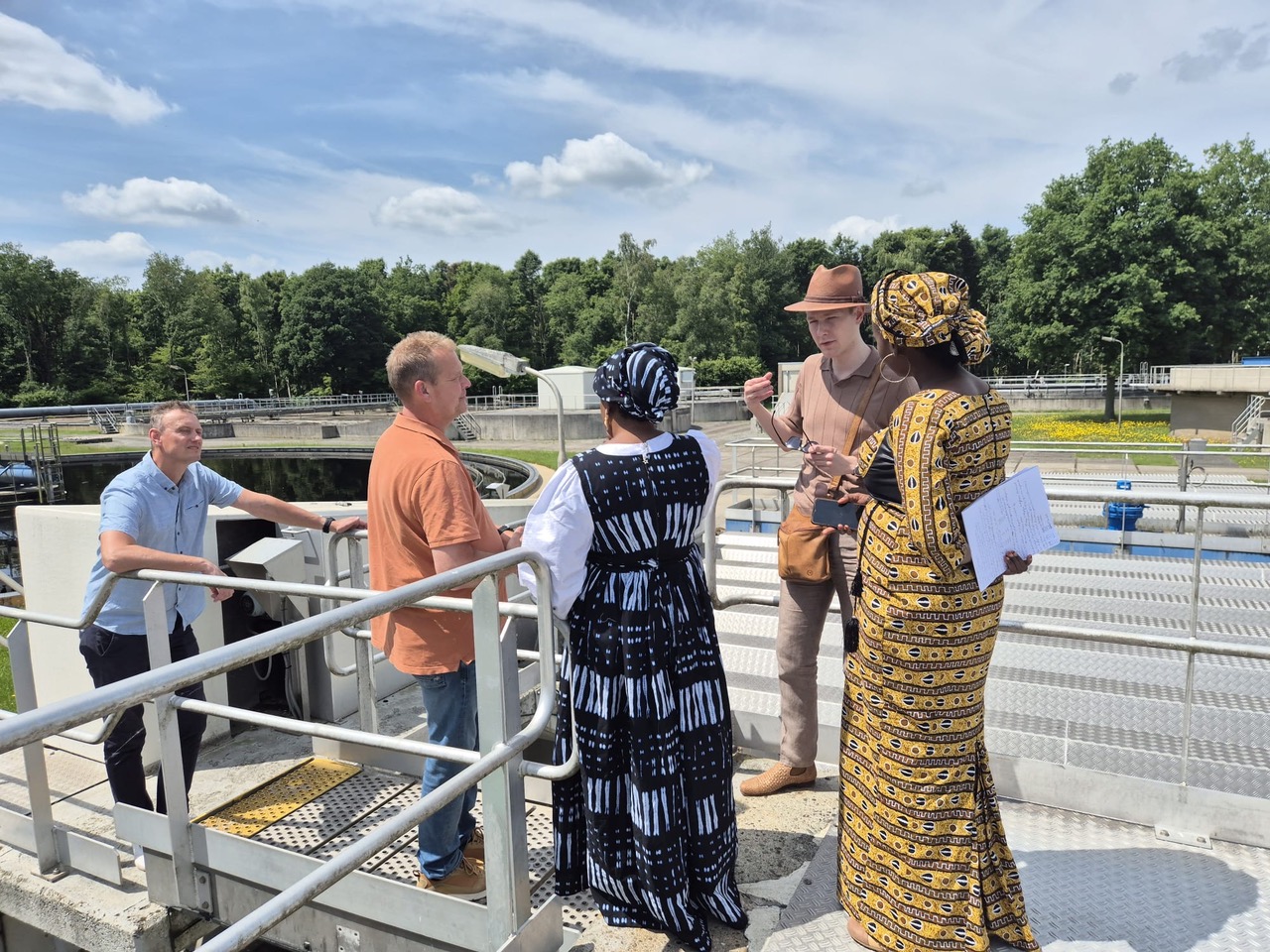
A site visit to the wastewater treatment plant of Noorderzijlvest

During meetings with the Blue Deal Office, the Ministry of Foreign Affairs, RVO and several Dutch water authorities, partners reflected on achievements to date. Alongside the expected results, it was positively noted that the Mali partnership has generated a range of additional outcomes. Notable examples include the mobilisation of additional funding from UNDP (approximately €170,000), the engagement of GIZ, strengthened regional cooperation with Blue Deal Burkina Faso, and increased external income for the laboratory.

The visit also provided valuable opportunities for peer-to-peer learning. Exchanges between Dutch water managers and the ANGESEM leadership proved particularly relevant. Discussions with the Secretary-Director and board member (“heemraad”) of Zuiderzeeland focused on the role of organisational values in water governance. Site visits to the wastewater treatment plant of Noorderzijlvest and the laboratory of Hunze en Aa’s sparked enthusiasm and offered practical inspiration for future application in Mali.
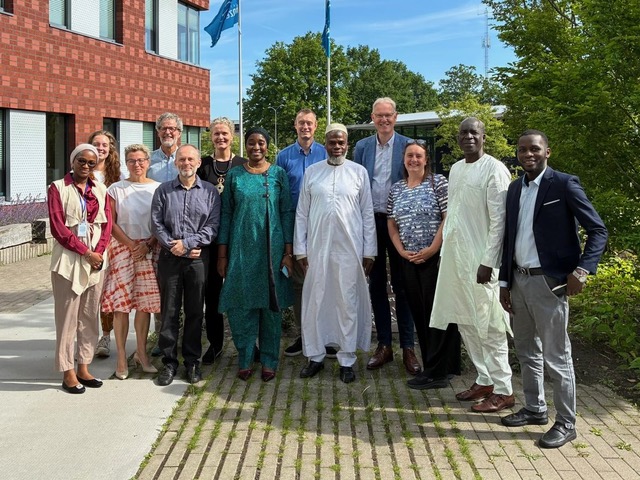
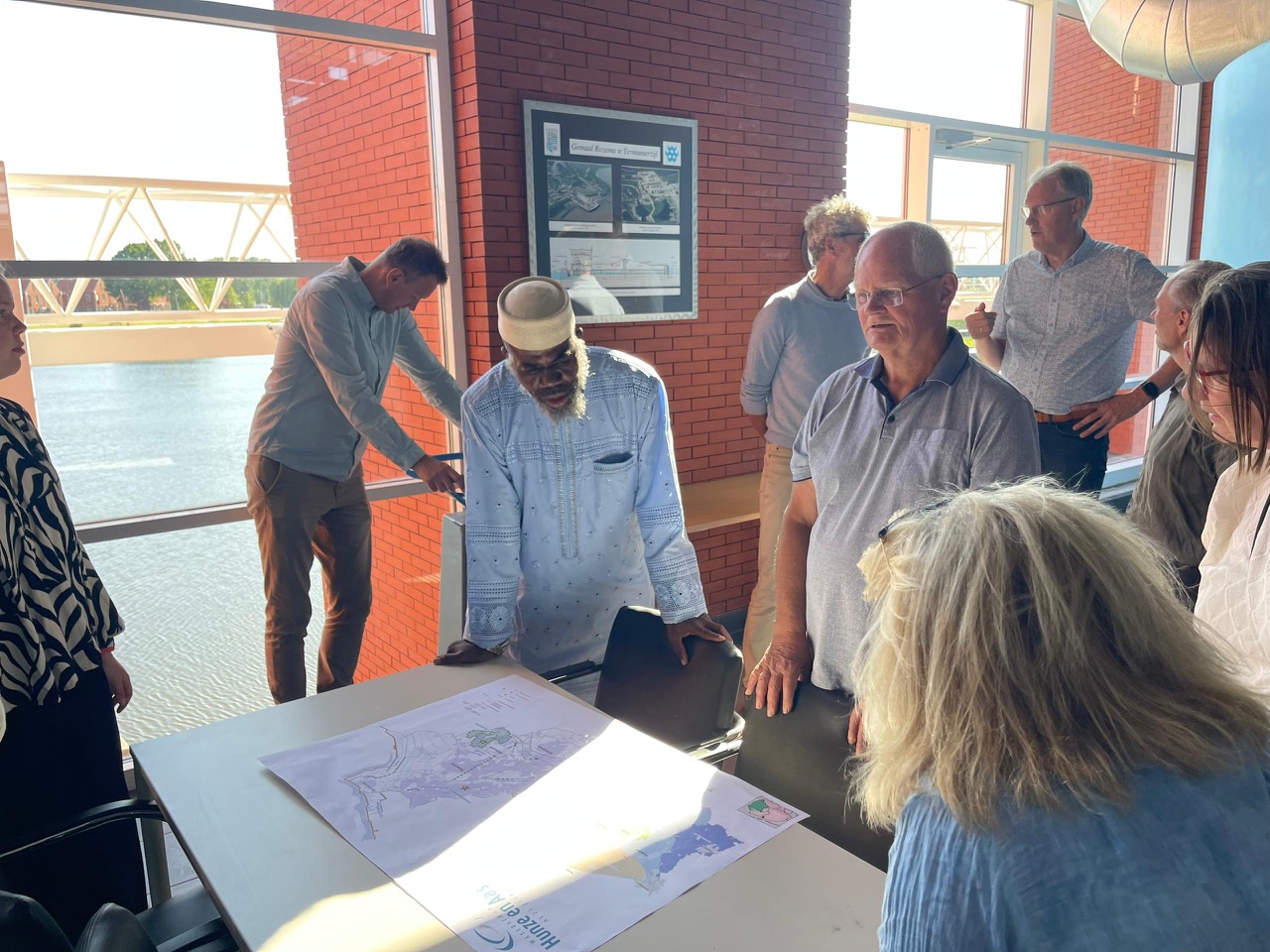
The delegation from Mali with Dutch partners at Hunze en Aa’s water authority

A key moment of the week was a strategic session at the offices of Water Authority Hunze en Aa’s, chaired by Geert-Jan ten Brink, ‘Dijkgraaf’ of Hunze en Aa’s water authority. Together with Dutch experts and partners, the Malian delegation explored the future of the partnership in an open and constructive dialogue. While the broader context remains complex and the outlook for external support requires careful navigation, partners demonstrated strong commitment and resilience. Hunze en Aa’s reaffirmed its support for the next phase, providing a solid basis to further engage partners and mobilise resources. Using the agreed vision on the way forward, the team will use this support of Hunze en Aa’s to engage additional partners and resources for the other topics and activities of the partnership.

Despite the challenges, the partnership continues to deliver tangible results and to build trust, knowledge and cooperation. As highlighted in the closing remarks of Mr. Drissa Traoré, this collaboration stands out as a truly genuine and forward-looking partnership.
Leading for cleaner waters in Mali

In October 2025, three experts from Waterschap Rivierenland visited Bamako to support ANGESEM in strengthening its operational and organisational management.

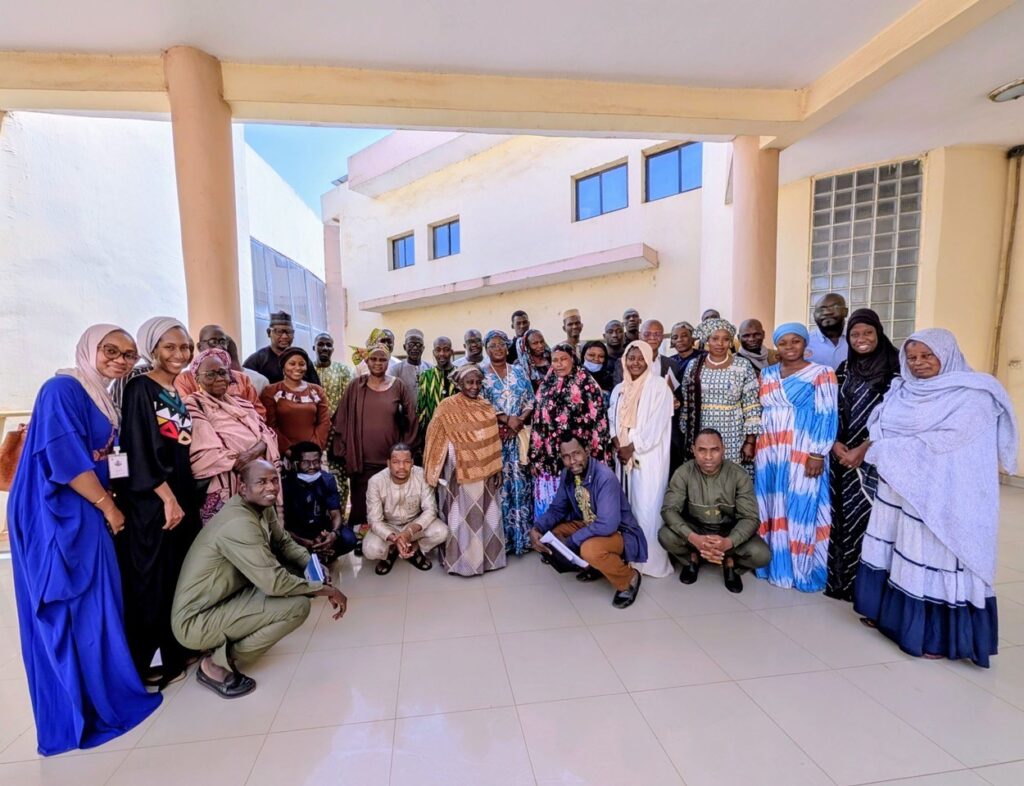
Group photo ANGESEM

Through an interactive workshop, ANGESEM staff reflected together on the organisation’s values, teamwork, and leadership practices, with the goal of turning shared principles into concrete actions in daily work. The exchanges encouraged dialogue, mutual understanding, and team cohesion.

The workshop was enriched by the participation of a global SNV manager, who shared practical examples of values-based leadership. The mission also included discussions on future priorities and plans for 2026, helping set the direction for continued collaboration between the Blue Deal and ANGESEM. 

This initiative marks an important step toward stronger, more effective management at ANGESEM, contributing to better public services and sustainable water management in Mali. 

Cleaner dyeing for a healthier Niger river 

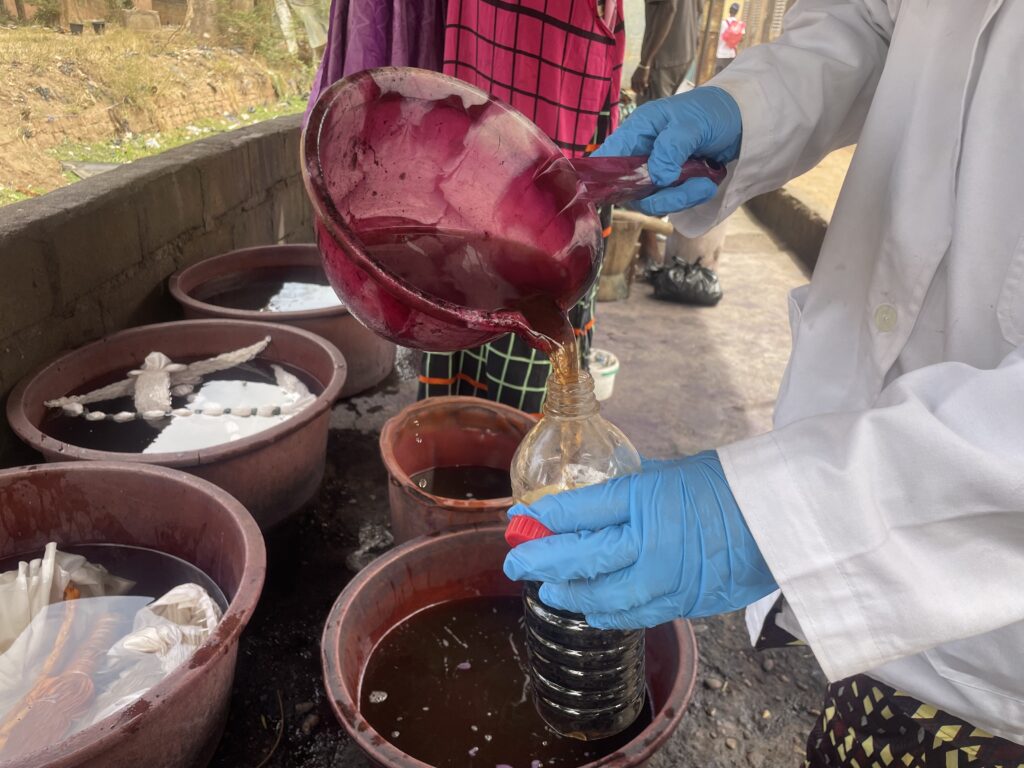
Artisanal dyeing is an important source of income in Bamako, Mali, especially for women. However, wastewater from dyeing activities is often discharged directly into the environment, contributing to pollution of the Niger River. 

To address this challenge, the “Teinturerie” Pilot Project was launched by ANGESEM, in partnership with the Blue Deal programme, the Dutch Water Authorities, and SNV Mali. The initiative is financially supported by the Netherlands Enterprise Agency (RVO) and NWB Fund. 

The Teinturerie project aims for environmental friendly approaches to managing wastewater from the dyeing factories.

The project works to reduce pollution, promote simple and sustainable wastewater treatment solutions such as helophytes, and support dyeing communities in adopting better environmental and hygiene practices. Field activities included mapping dyeing sites across Bamako, identifying pilot locations, and holding participatory workshops with dyers, local authorities, and technical partners.  

In addition to the technical aspects of treating the polluted wastewater from the dyeing activities, the project also focuses on including the female entrepreneurs in the pilot. It is important that the entrepreneurs are involved in finding solutions that are sustainable from both the economic , social and environmental perspectives. 

Entrepreneurial women at the heart of wastewater treatment from artisanal dyeing

Early 2026, female entrepreneurs attended a workshop as part of the “Teinturerie” Project to raise awareness and get engagement for this project, a spin-off of the Blue Deal activities in Bamako. 

They shared water quality data results from ANGESEM’s laboratory highlighting the environmental and health impacts of untreated dyeing wastewater. Participants also learned about environmental regulations, their responsibilities, and the penalties for non-compliance. The session was highly participatory with dyers exchanging practices, suggesting solutions, and helping shape a future best practice manual while also discussing the project’s business plan. 
 
What stood out most? Behind every dyeing basin are courageous women feeding families, creating jobs, and supporting the local economy. This was a strong first step in the collaborative approach of safeguarding traditional practices while preserving the environment and human health. 

Strengthening Wastewater Management in Mali through Exchange and Expertise

In June 2025, a delegation from Mali - including representatives from the Ministry of Sanitation, Environment and Sustainable Development, ANGESEM, SNV Mali, and the Embassy of the Netherlands in Mali - visited the Netherlands as part of the Blue Deal Mali partnership.

Exchange Mission to the Netherlands: Building ANGESEM’s Capacity
The work visit focused on strengthening ANGESEM’s technical and organisational capacities through interactive workshops, site visits to wastewater treatment plants, and hands-on training. Laboratory technicians sharpened their skills at Waterschap Hunze en Aa, while operators gained practical experience at facilities managed by Hoogheemraadschap Hollands Noorderkwartier.

Pictured: Practical exchanges at Dutch wastewater treatment facilities

A leadership workshop hosted by Waterschap Rivierenland provided space to reflect on and improve ANGESEM’s management charter. Aside from these practical visits, the delegation also met with funders – Netherlands Enterprise Agency and NWB Fonds – to discuss the upcoming dyeing project supported by SNV Mali, with involvement from the Dutch Ministry of Foreign Affairs.

This exchange laid a strong foundation for more sustainable and efficient wastewater management in Mali.

Pictured: A visit to Dutch water authority Hunze en Aa

Expert Visit to Mali: Diagnostic Assessment of Bamako’s Treatment Plants
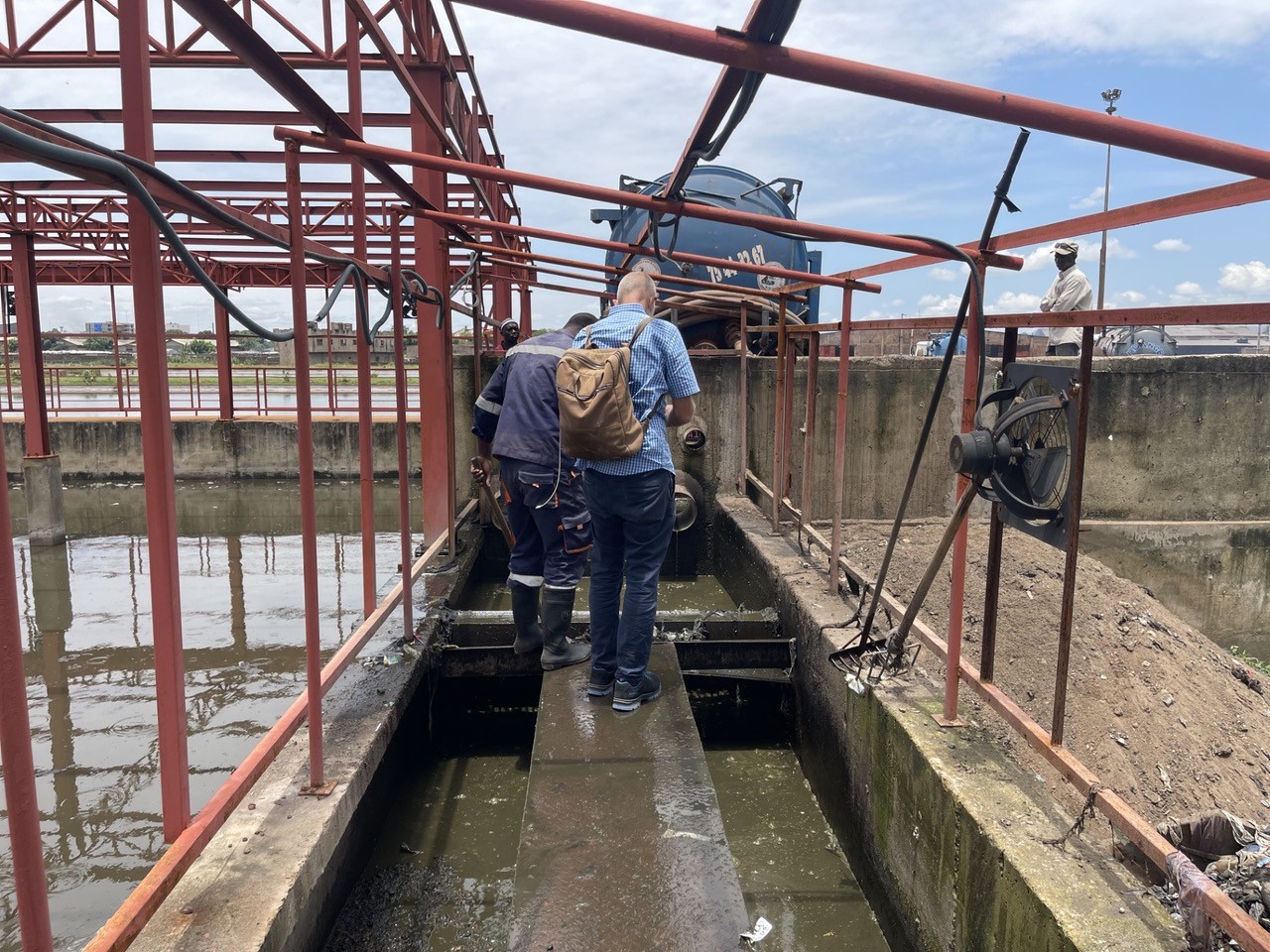
To complement the exchange, Dutch wastewater expert Dirk Koot visited Mali from August 12 to 18, 2025, with support from PUM. His work visit involved a thorough diagnostic assessment of ANGESEM’s wastewater treatment plants in Bamako.

The visit concluded with a debriefing workshop, where key challenges and recommendations were shared with ANGESEM’s management, technical departments, and operators. These insights will be integrated into the ongoing Blue Deal partnership, helping to improve the sustainability and performance of sanitation infrastructure – ultimately benefiting both the population and the environment.

Pictured: Dirk Koot visits an ANGESEM wastewater treatment plant in Bamako, Mali