
Two key initiatives shaped the Ethiopia Awash partnership’s efforts in November: developing drought scenarios using the WEAP model and a study addressing barriers to social inclusion.
November was an active month for the Ethiopia Awash partnership, marked by several field visits and local workshops. Two key activities stood out: the use of WEAP models for drought scenarios and a social inclusion study, both carried out as part of our water allocation planning project.
Training on WEAP model for drought scenarios
During a field visit, the Dutch team trained our partners from the Ministry of Water and the Basin Authority in the use of the WEAP model. This was a follow up of an earlier training given last year, but this time the focus was on using the WEAP model for drought scenarios. Dutch Water Authorities’ experts Hidde Kats and Harmen van de Werfhorst then worked together with the partners to outline possible drought scenarios. These scenarios will be further developed, and an additional training will be planned to further refine the scenarios so they can be integrated into the water allocation plan.
Social Inclusion pilot: understanding barriers
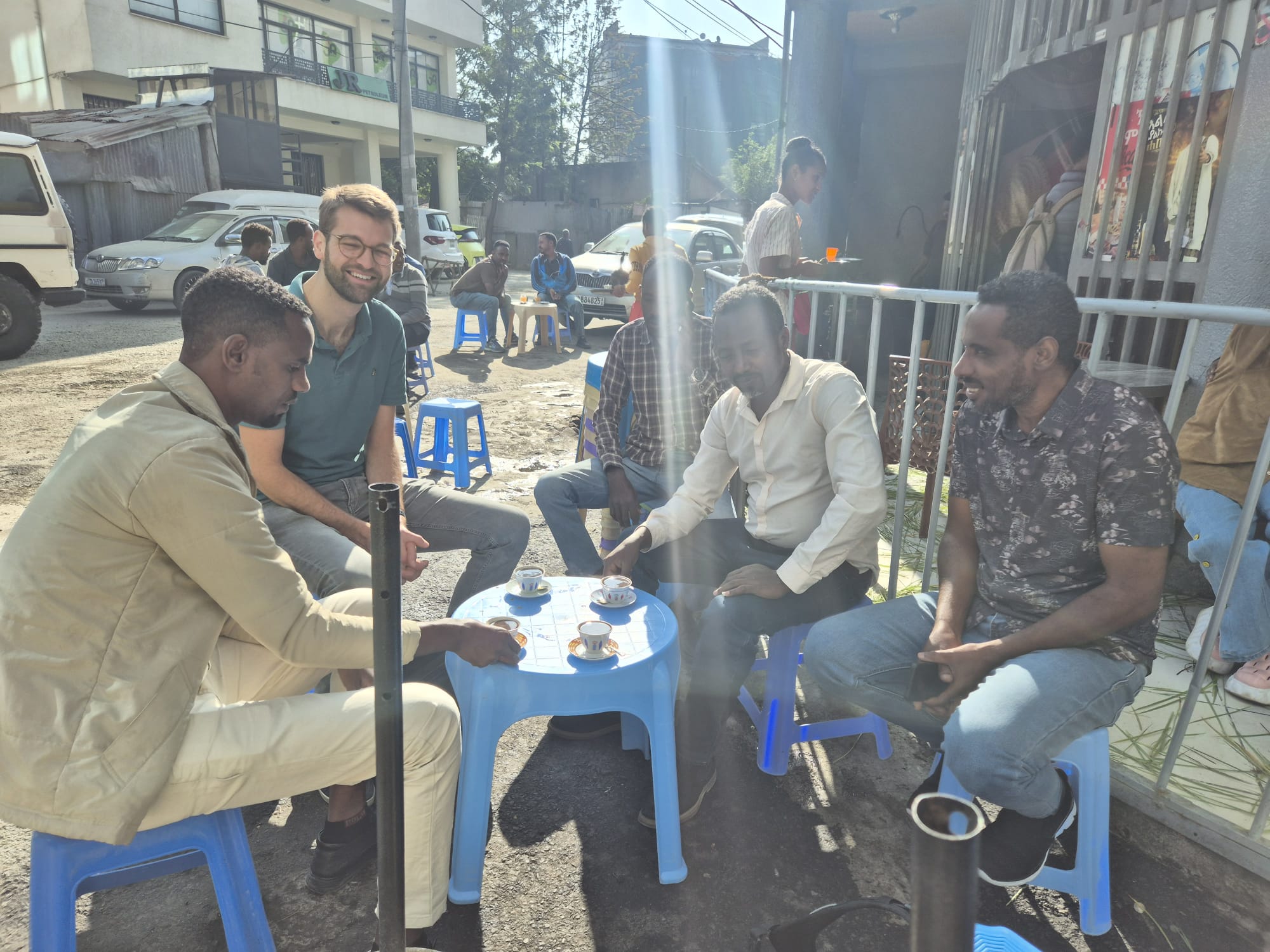
For the Social Inclusion Pilot (supported by NWB Fund), we conducted surveys with around 125 (agricultural) water users and government representatives. This study provided valuable insights into the causes of exclusion, examples of which include a lack of information, lack of good representation, a lack of budget and a lack of understanding related to the water allocation planning process.
Sharing results and next steps
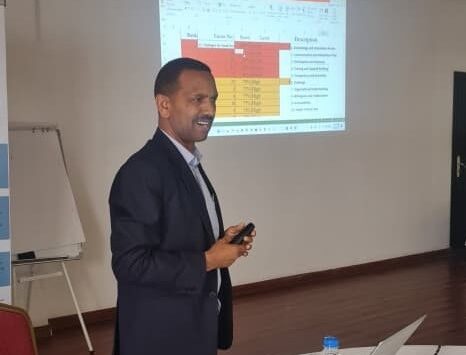
The initial results were shared by Dr. Melaku, one of the local consultants who worked on the study, during a validation workshop with various local authorities and water users. These results will be used to develop conclusions and recommendations for practical improvements.
The response to the study has been very positive, recognising that the study can provide very useful and interesting insights to improve the water allocation process and make it more inclusive. The study will also support Blue Deal partners in implementing improvements in the annual water allocation planning cycle.