Dutch-Argentinian partnership reaches milestones in water management

In November 2025, the Blue Deal team visited their Argentinian partners to discuss the development of an integrated water system analysis and their approach to one of the region's most pressing challenges: managing the dramatic swings between devastating floods and severe droughts.

A Strategic Partnership in Action

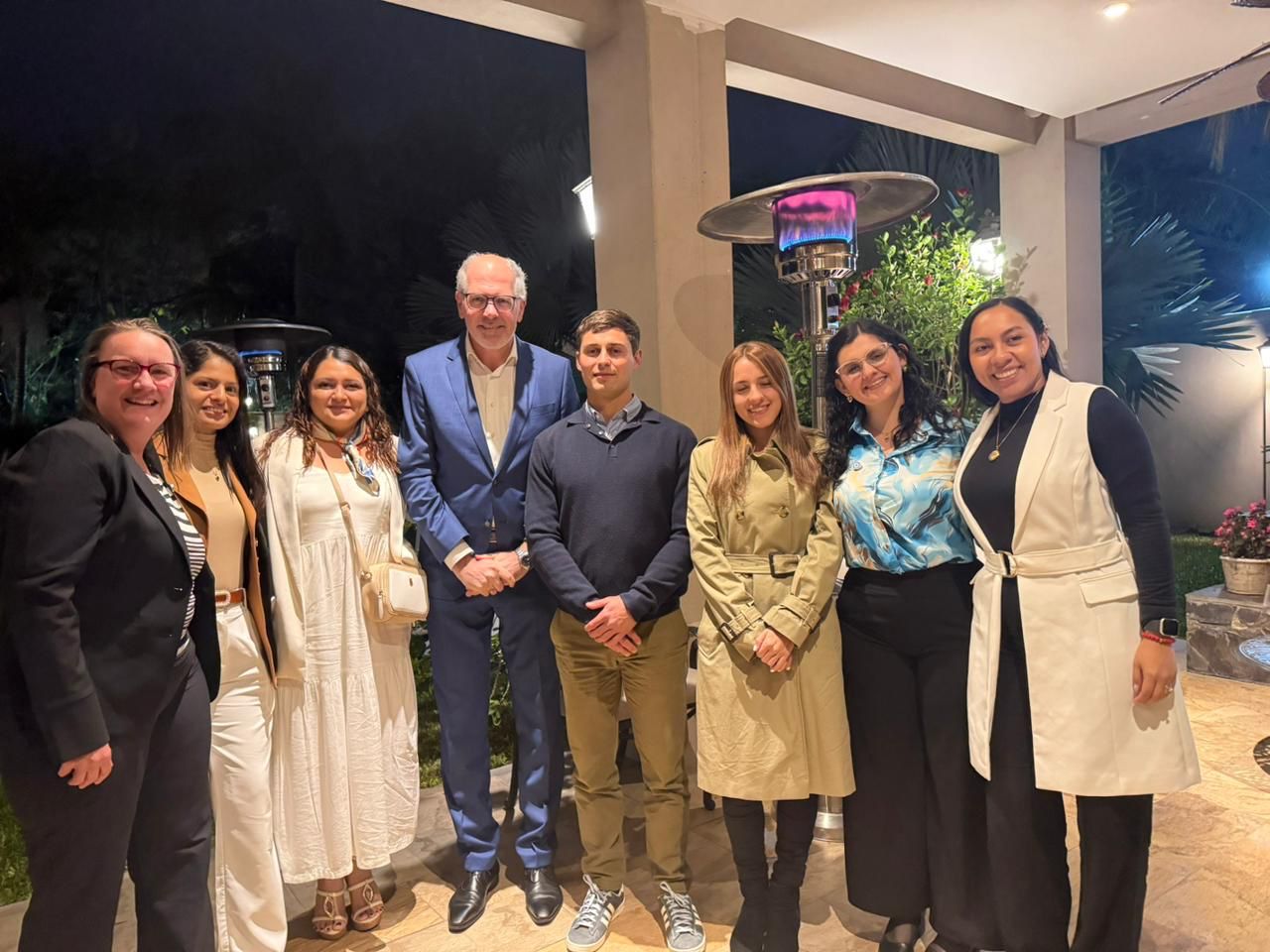
From November 3-12, Dutch Water Authorities (DWA) experts worked alongside their partners at Autoridad del Agua (ADA) of Buenos Aires province, furthering a collaboration that has strong support from the Dutch embassy. Ambassador Mauritz Verheijden, who met with the team in Buenos Aires, emphasised the value of this long-term partnership between the Netherlands and Argentina.

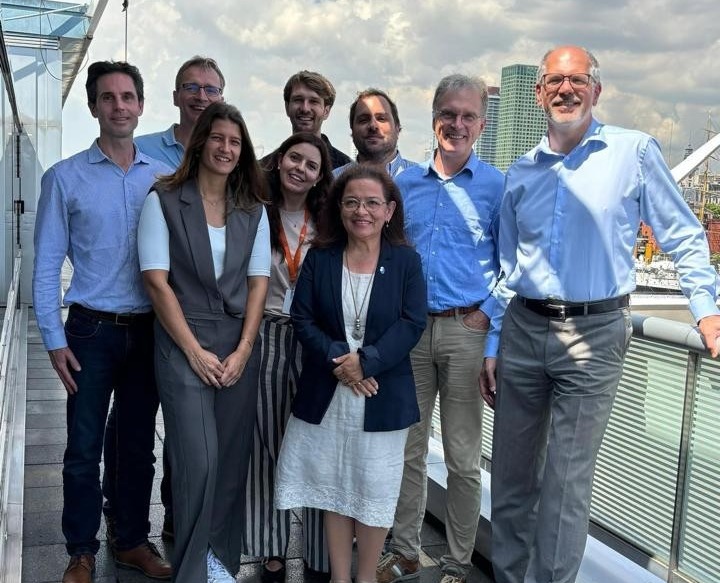
The DWA team visiting the Dutch embassy in Buenos Aires to meet with the ambassador Mauritz Verheijden

Breakthrough in Integrated Water Analysis

The mission achieved a major milestone: completing an integrated water system analysis in concept for nearly half of the Blue Deal catchment area. This comprehensive approach brings together several years of measurement data – collected through both technical monitoring and participatory efforts with local farmers – with advanced surface and groundwater modeling.

The analysis does more than map the current situation. It identifies specific problems, defines what a healthy water system would look like for the region, and charts practical pathways to get there. For ADA, this methodology represents a new approach to their water management.

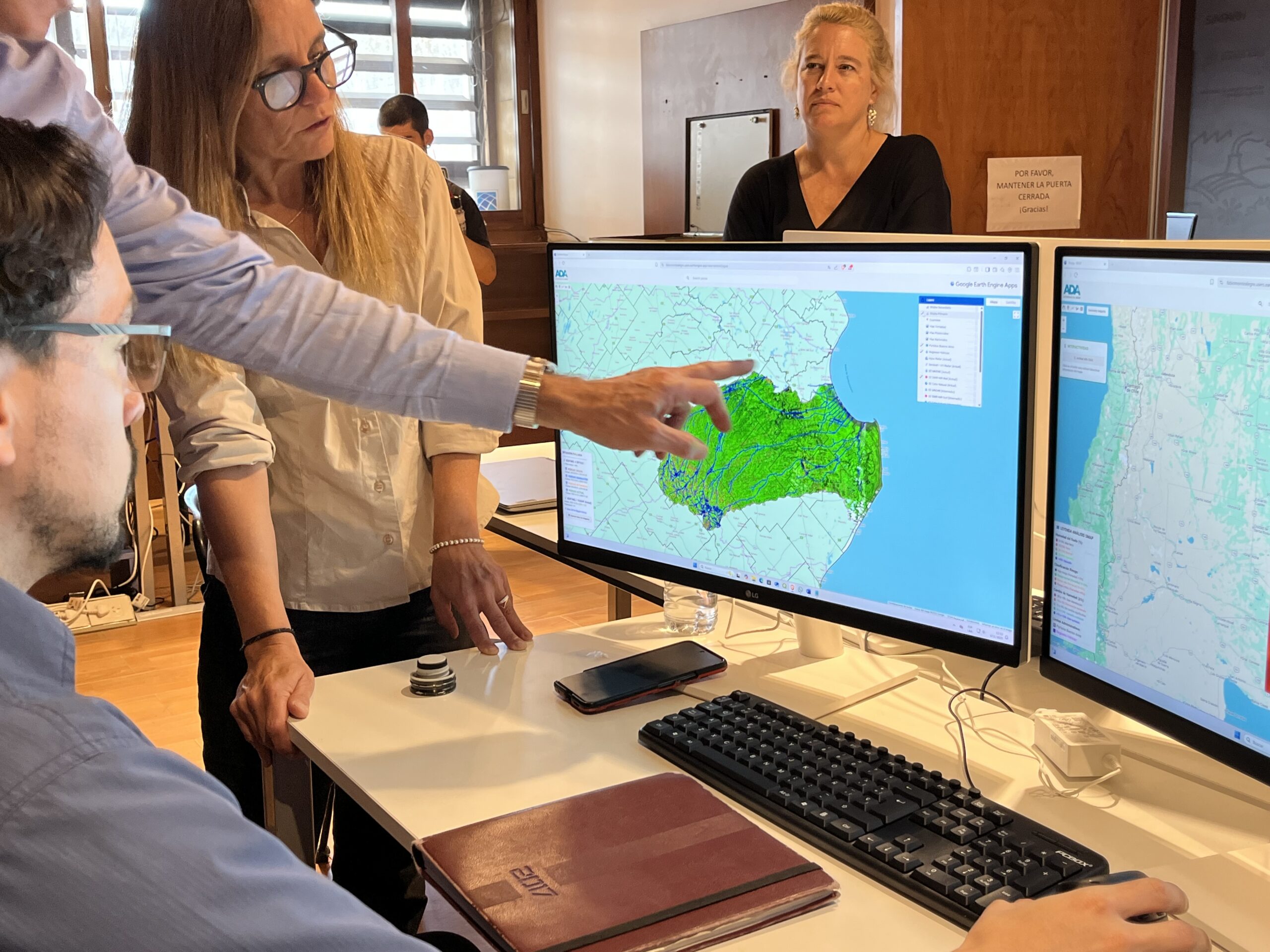
At the offices of ADA (in La Plata), ADA proudly presents its new monitoring and measurement system for meteorological and hydrological data. On the screen is an image of the modelling of the Tandil – General Lavalle basin (size approx. 1/3 of the Netherlands).

Understanding the Extremes

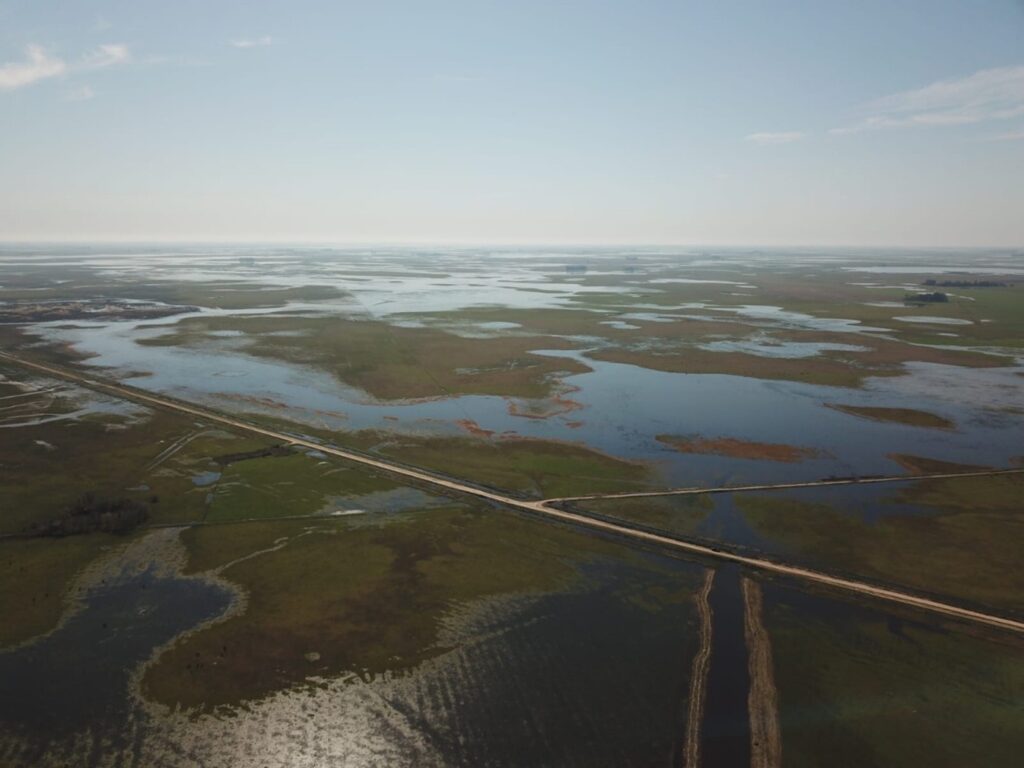
The urgency of this work is clear in the dramatic conditions facing the region. Currently, 2 million hectares across Buenos Aires province lie underwater due to El Niño-driven heavy rainfall. The flat pampas landscape, including the agricultural fields of Ayacucho municipality, becomes a vast floodplain during prolonged rain events. With slow drainage toward the Atlantic Ocean and rivers unable to handle the massive volumes, water lingers for extended periods.

The team visited Ayacucho with the mayor and key municipal staff to examine critical problem areas firsthand. These flooding issues mirror a larger regional pattern affecting agriculture and livelihoods across the province.

Yet just two years ago, the challenge was the opposite. From 2021 to 2023, La Niña brought severe drought to the same areas, with impacts that continue to reverberate. Livestock farmers are still dealing with reduced cattle fertility – a problem that persists for up to three years following extreme drought conditions.

Aerial view north of Channel 2 near Ayacucho (flooding between August-October 2025)

Building Resilience Through Collaboration

Blue Deal’s integrated approach addresses both extremes, working to make the water system more resilient to climate variability. By combining Dutch expertise in water management with local knowledge and ADA’s regional authority, the partnership is developing practical solutions for a region caught between too much water and too little.

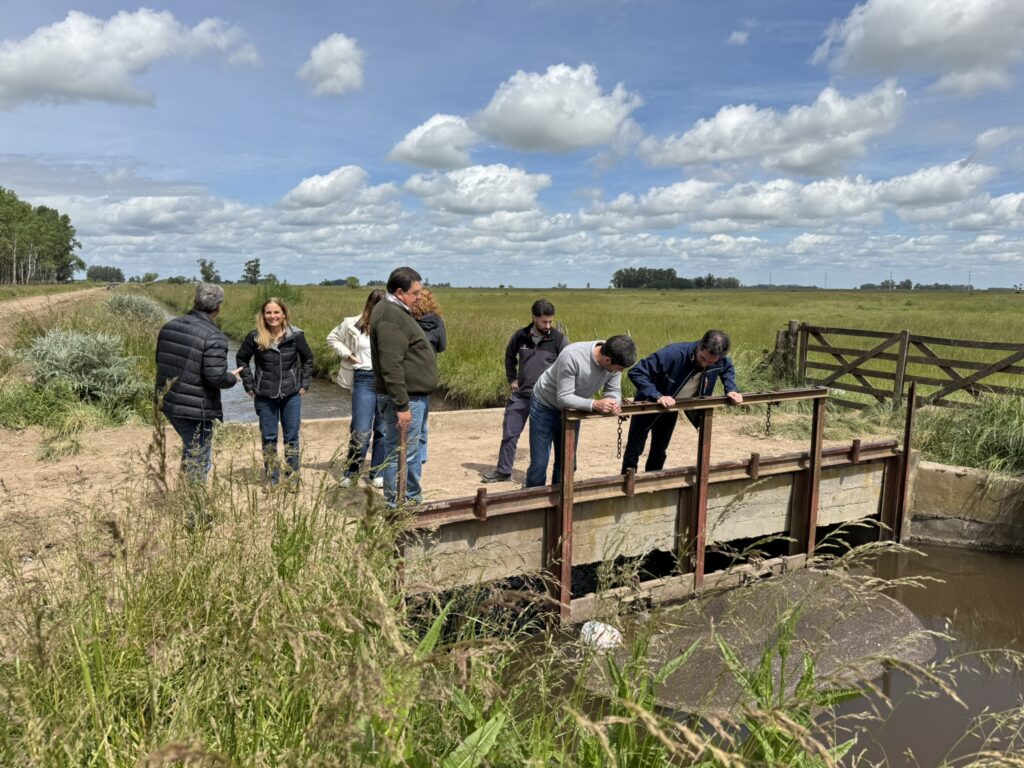
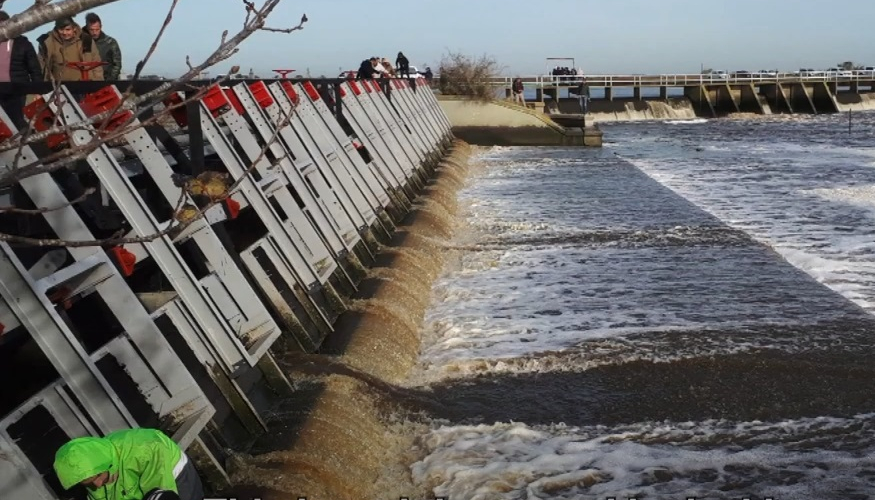
The team visits an important weir that protects the city Ayacucho from flooding

The visit was also an opportunity to connect new members in the Blue Deal partnership: as current partnership manager Simon Hofstra prepares for retirement in February 2026, Udo Perdok is stepping into the role, ensuring continuity in this vital Dutch-Argentinian collaboration.

Blue Deal partnership Argentina formalised during National Water Congress

In August 2025, the National Water Congress of Argentina (CONAGUA) took place in Mar del Plata. Blue Deal Argentina was an active participant in this large event.

Moreover, the currently ongoing partnership (2023 – 2030) was formalised in a framework cooperation agreement signed by Damián Costamagna, President of the Buenos Aires Water Authority (ADA), and Gabriel Katopodis, Minister of Infrastructure, on behalf of the province of Buenos Aires. Representing the Dutch Water Authorities, Simon Hofstra (partnership manager Blue Deal Argentina) and Nadji Bilik (head of economic affairs and deputy ambassador at the Dutch embassy) signed the agreement. A similar previous agreement dated from 2019 and needed update for the ongoing second phase of the Blue Deal (2023 – 2030).

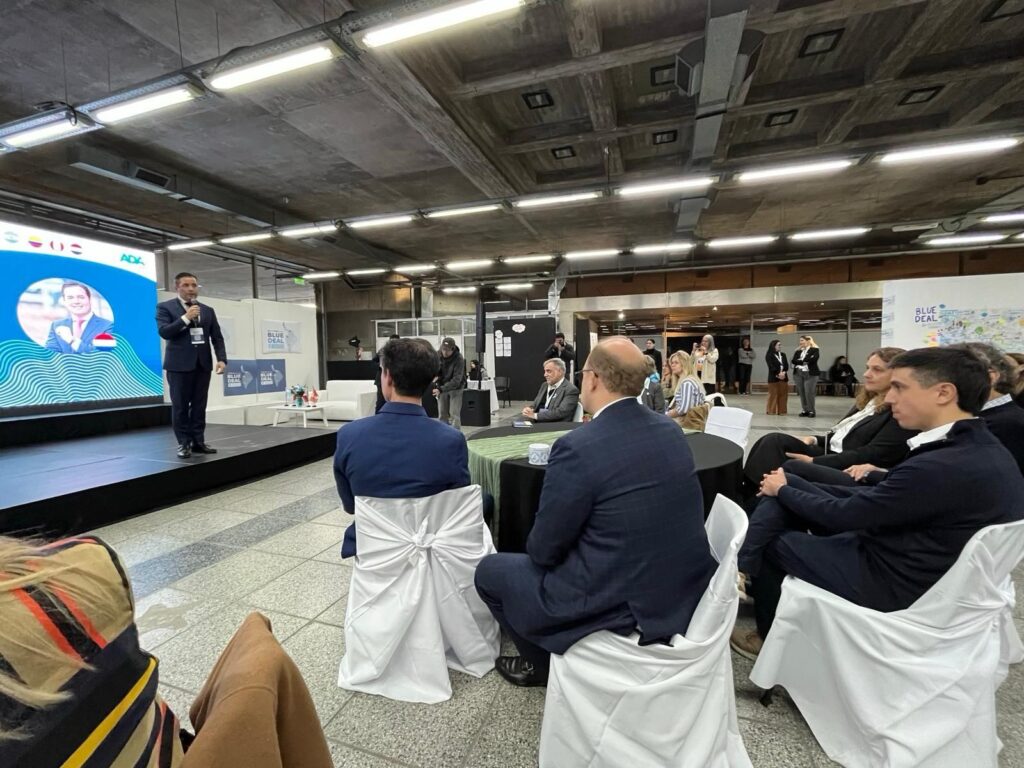
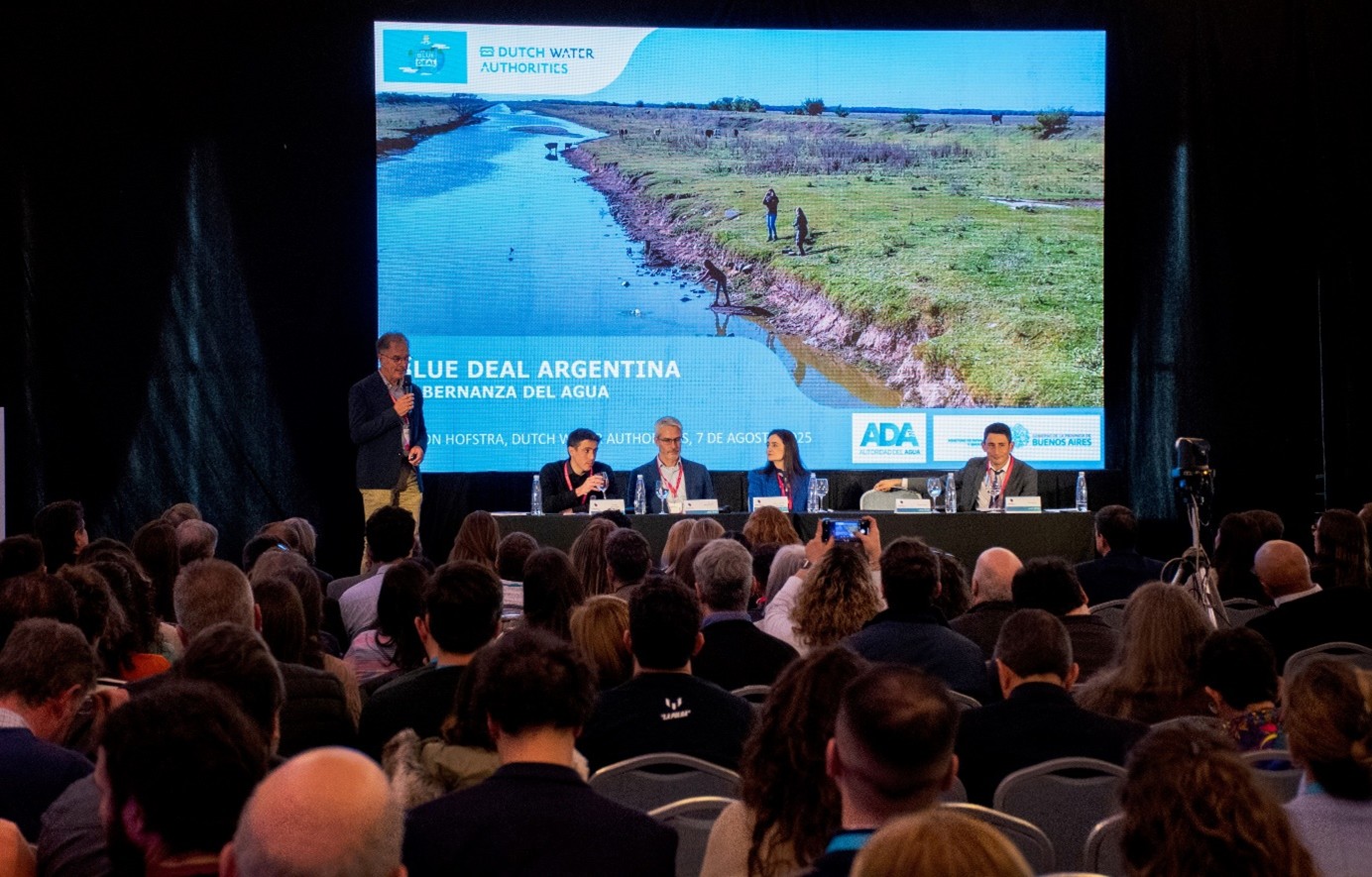
Pictured: Simon Hofstra presents at the National Water Congress of Argentina (CONAGUA)

The signing ceremony was preceded by presentations from Damián Costamagna, who spoke about water management in Buenos Aires province, and Simon Hofstra, who highlighted the achievements of the Blue Deal Argentina partnership and outlined the goals for 2026-2030. The Blue Deal presentation also covered coastal erosion, an issue which is faced by both Argentina (including the town of Mar del Plata) and by the Dutch Water Authorities.

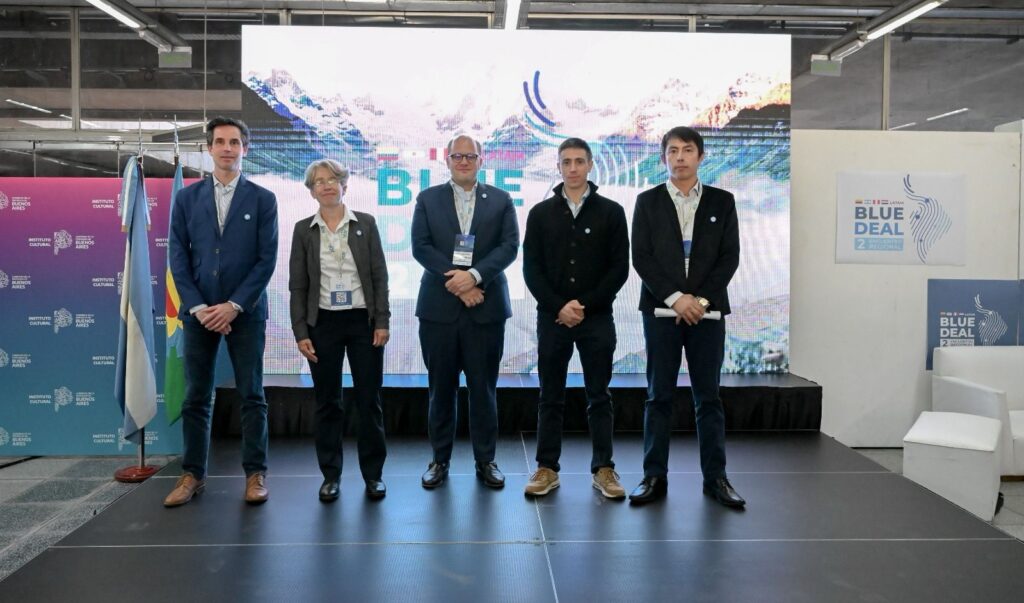
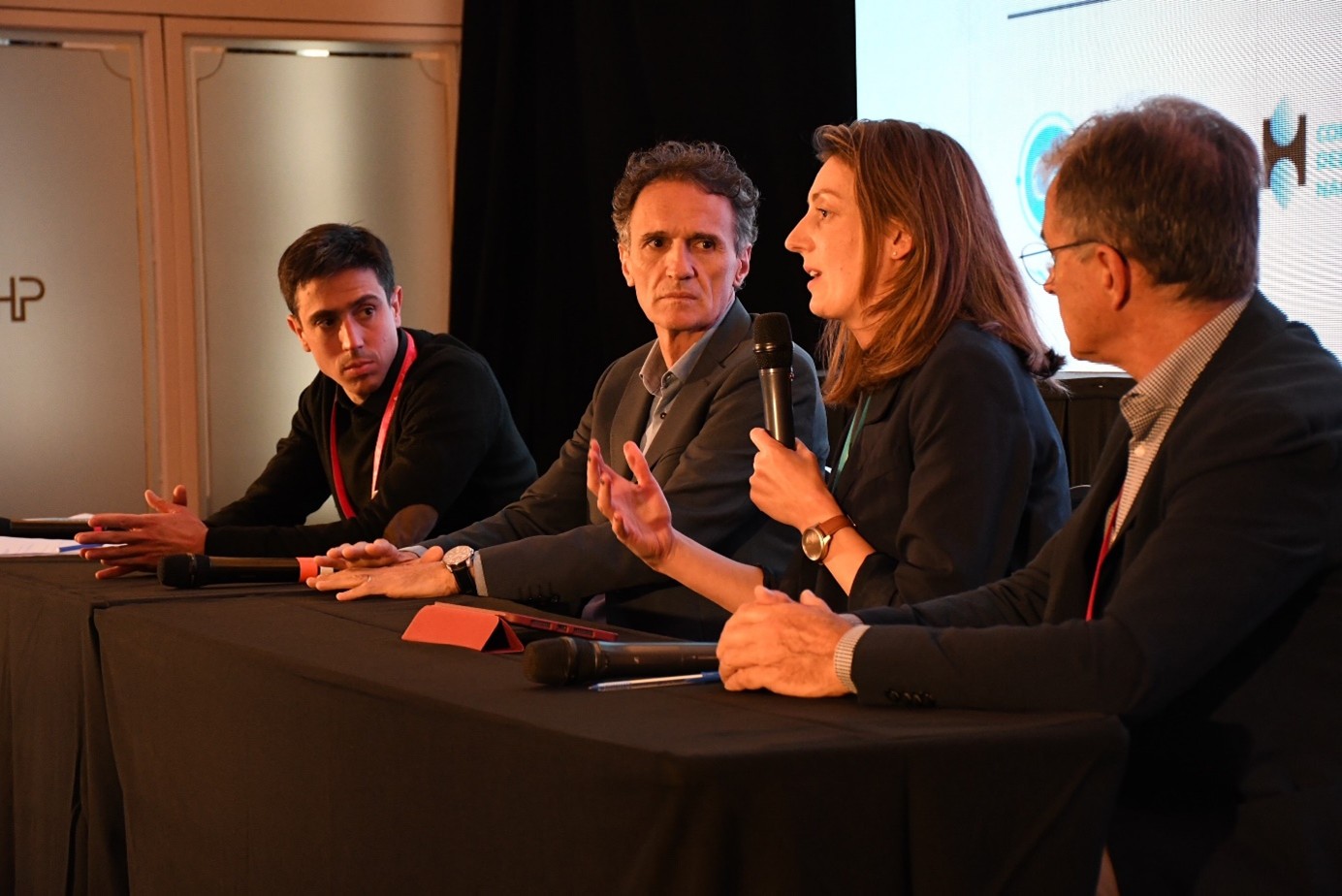
Pictured: Nadji Bilik, head of economic affairs (and deputy ambassador) of the Dutch Embassy, spoke at the congress

CONAGUA is a biennial event that brings together over 1,000 water professionals from across Argentina. ADA staff contributed actively, delivering three presentations and showcasing six posters on the results of the Blue Deal project. Other key speakers included the Secretary-General of the World Meteorological Organisation (WMO) in Geneva. The atmosphere was very positive, with high expectations for significant progress in water governance in the Rio Salado region in the years ahead.

Argentinian hydrologists visit Dutch water authority

In the first week of November, 4 young hydrologists from the Blue Deal partnership in Argentina paid a work visit to the Dutch water authority Brabantse Delta. They came to work with Dutch hydrologists on a hydrological (surface water) model for the basin of the Blue Deal partnership in Argentina: the Tandíl-General Lavalle basin in the south of Buenos Aires.

The hydrologists work at ADA (Autoridad de Agua of the province of Buenos Aires). They had already done a lot of preliminary work in Argentina in the past couple of months and came here to work this out with the Dutch team mebers and also to learn how the water authorities in the Netherlands work.

Hydrological model

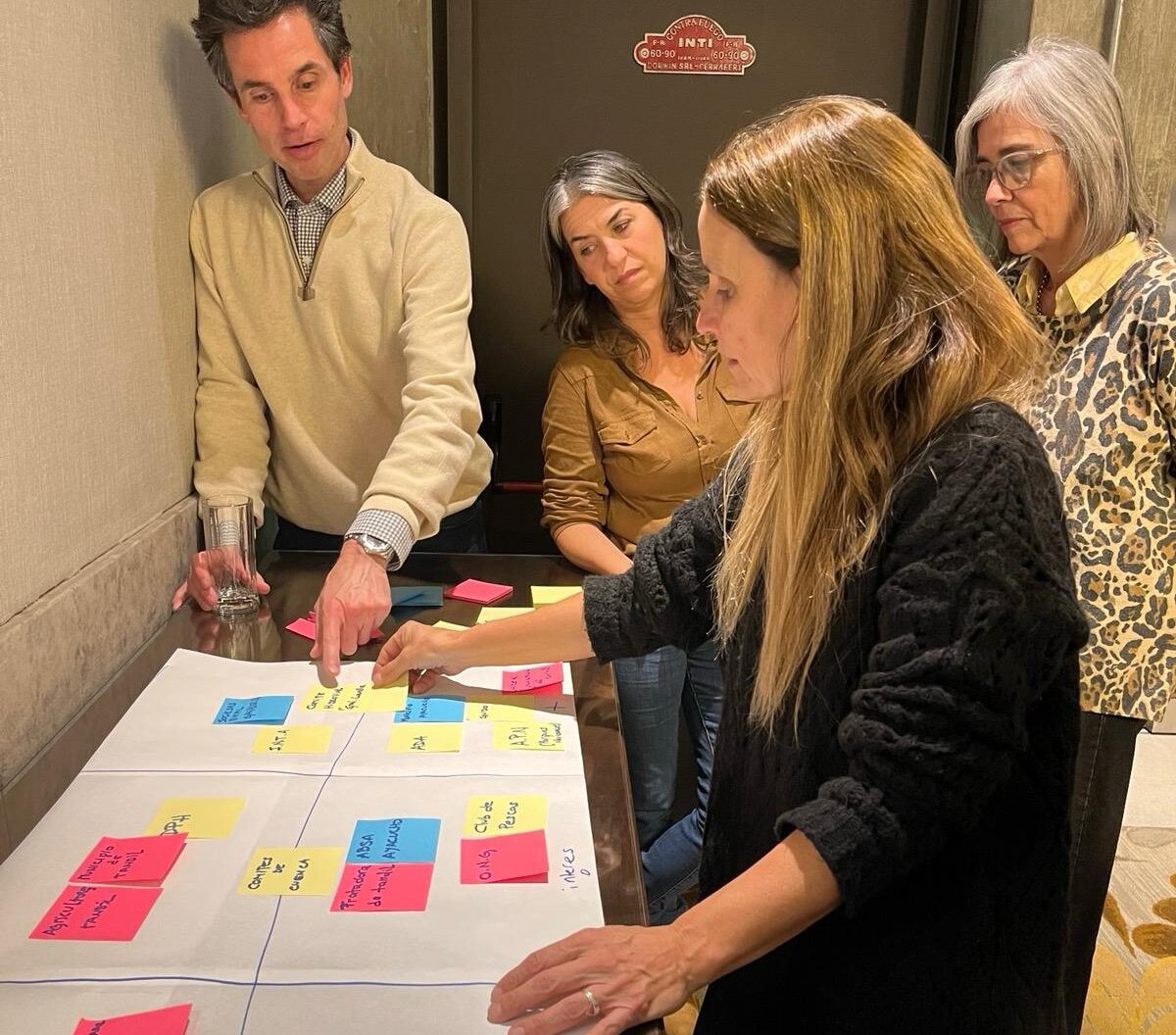
The aim of the Blue Deal collaboration with the province of Buenos Aires is to have water management partly carried out by the residents themselves. Organizational formation is necessary for this and that is the core of the project. A hydrological model is a very useful tool for this, because this provides insight into the functioning of the water system. This helps the different types of users and different areas to work better together. You can use a model to provide residents/users with insight into the influence of upstream measures on the downstream part, and vice versa.

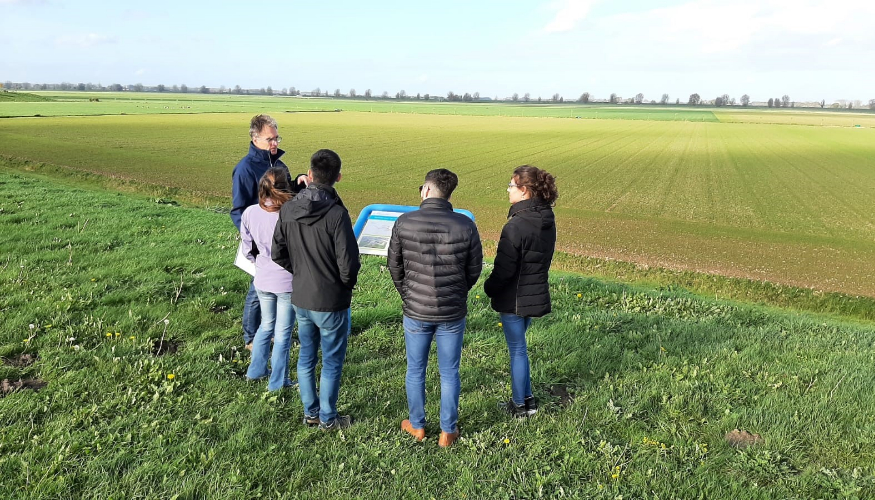
The 4 hydrologists worked very hard on their model together with the Dutch hydrologists this week. Of course they also learned more about how the Dutch water authorities function and the Dutch team showed them many examples of Dutch water management. For example to Deltares, Kinderdijk and the Delta Works (Deltawerken). The team also took them to projects that members of the team had worked on themselves.

Lessons learned

What did the hydrologists learn from their visit? What they remember most is that the Dutch work together with so many other parties, such as municipalities, provinces, nature managers, Rijkswaterstaat and the residents in the area. And that the Dutch water authorities can work on their projects with continuity, so that they can also complete them within the foreseeable future. The 4 hydrologists will now disseminate the knowledge they have learned within their own organization.

Instruction film for Argentina

The Blue Deal partnership in Argentina captured their working visit on video in the spring of 2019. How the workshops are prepared and carried out is explained in a tutorial. Useful for the local partners, now that it is still not possible to travel due to the corona pandemic.

The video shows how farmers, residents and civil servants assessed water problems and came up with conceptual solutions.

Lecture: solutions for complex water problems

The KIWI learning programme recently organised a lecture by professor Guy Alaerts about the unruly nature of international water management and solutions for complex water problems.

Water managers worldwide are looking for integrated solutions for complex water problems. Major investments are often required to become climate proof, but finding financing is difficult. Water managers and financial institutions do not know where to find each other and converting globally available financing into concrete projects on a large scale is difficult. Watch the lecture below. The lecture is in Dutch, but can be viewed with subtitles.

Study: water management knowledge exchange

TU Delft and Erasmus University, in collaboration with Dutch Water Authorities, have launched a study into water management knowledge exchange. The universities are investigating which lessons the Dutch regional water authorities take abroad.

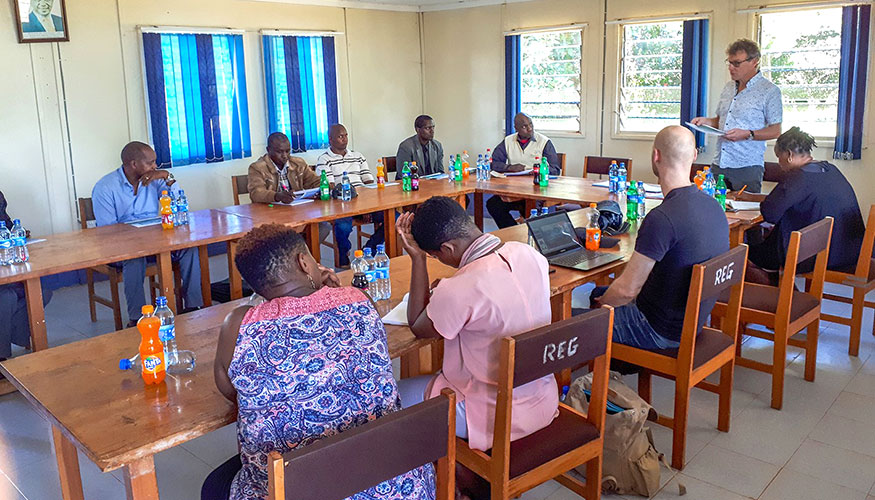
Meeting room with people seated at tables for a traning session. One man is stood, giving a presentation.
Dutch Water Authorities and local partners attending a training session.

As part of the study into water management knowledge exchange university researchers are looking at the lessons learned at an individual level, group level and organisational level. The aim is to find out exactly what effect these lessons have on organisations.

Questionnaire

A questionnaire is sent out via the Dutch Water Authorities foreign coordinators. It is hoped that insight can be gained into the possibilities and limiting factors of international knowledge sharing.

More on Dutch Water Authorities and knowledge exchange

Blue Deal Annual plan 2021

The 2021 annual plan of the Blue Deal programme has been approved by the steering committee. The partnerships will continue their work in 2021 to improve water management in 14 countries.

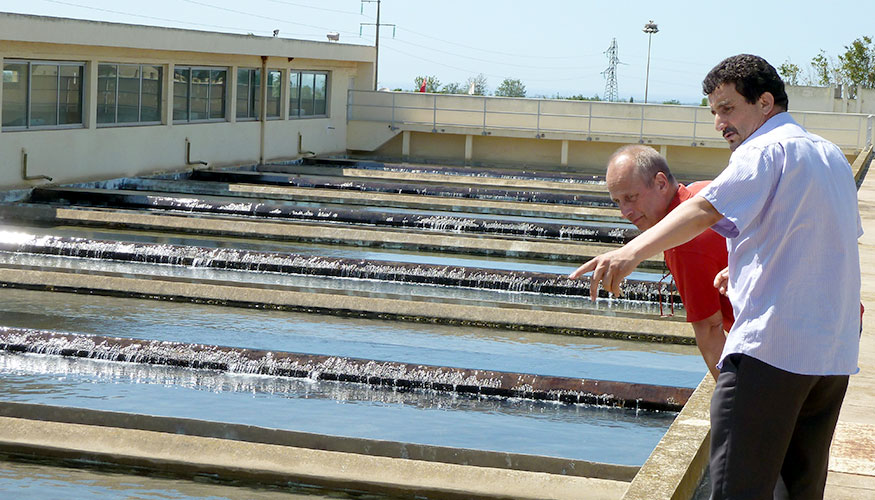
Two men inspecting a waste water treatment plant.

The focus of the Blue Deal Annual plan 2021 is on three crucial elements: sufficient knowledge and skills, a well-functioning organisation and collaboration with key stakeholders.

Online learning

As COVID-19 continues into 2021, the Blue Deal partnerships focus on online learning and training in the first six months. This is not easy in all countries, for example due to slow internet connections or recently initiated partnerships. Therefore, the partnerships also focus on additional local representation. Dutch Water Authorities hopes to physically meet its partners again in the second half of 2021.

More on the Blue Deal