Mariana’s journey as a young expert (YEP) in Colombia

As part of the Blue Deal’s commitment to sustainable water management and capacity building, the Young Expert Programmes (YEP) empower young professionals to gain hands-on experience in an international and intercultural environment. Over a two-year period, YEPpers receive a dynamic mix of training, coaching, and mentoring to develop both personal and professional skills. Within the Blue Deal partnerships, local YEPpers take on meaningful roles that contribute directly to water-related Sustainable Development Goals (SDGs).

Mariana Garcia

One of these inspiring professionals is Mariana García, a Young Expert working at Aguas de Manizales S.A. E.S.P., the water utility company in Manizales, Colombia. As part of the Blue Deal initiative InspirAgua, Mariana has spent the past nine months contributing to both technical and strategic processes within the organization.

Driving Technical Innovation

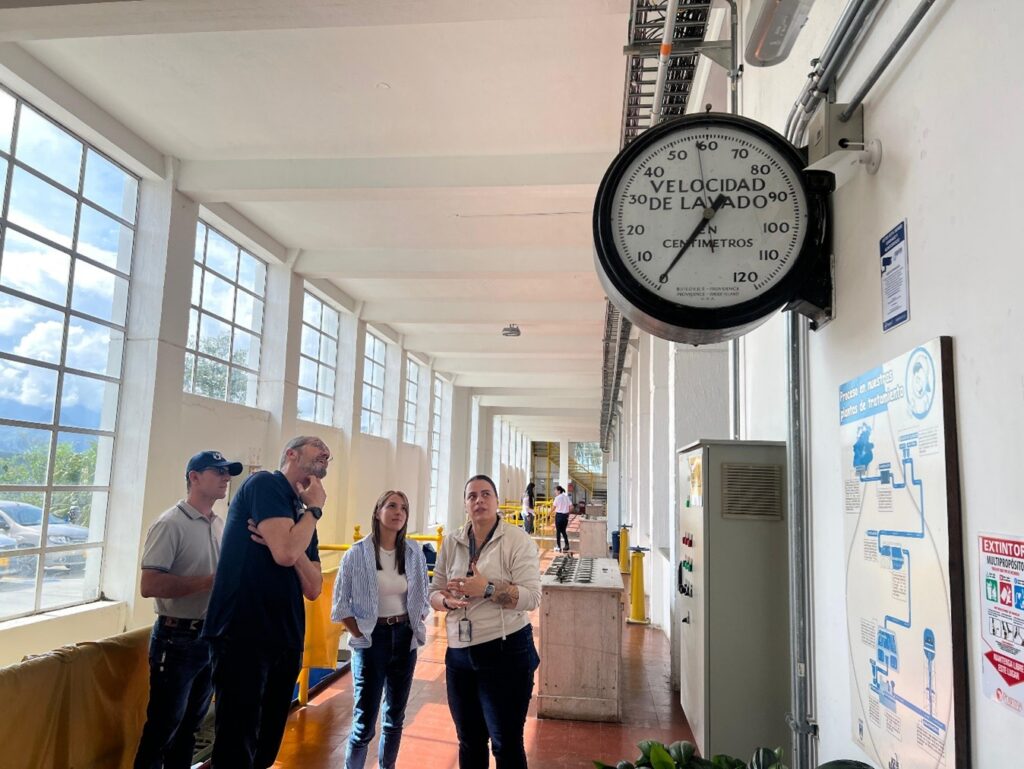
Mariana’s work has focused on strengthening asset management and wastewater discharge systems. One of her key achievements is the development of a prioritisation matrix for network optimization projects. This tool supports investment decisions for infrastructure upgrades, especially in vulnerable areas, by assessing community risk and water supply needs.

She also designed a review plan for aging pipelines, targeting those in poor or unknown condition to prevent failures and improve service reliability. Currently, she is collaborating on a strategic replacement plan for asbestos-cement pipelines, aiming to reduce health risks and enhance infrastructure sustainability.
Strengthening Partnerships

Through the knowledge and skills acquired during the YEP programme, Mariana helped establish a new coordination mechanism with Corpocaldas, the local environmental authority, to improve the monitoring of non-domestic wastewater discharges. This collaboration was strengthened by the YEP network, as it included support from YEP alumna Melissa Moreno, highlighting the benefits of this learning network.

Mariana also participated in a technical exchange with Acuavalle S.A. E.S.P., a utility in Valle del Cauca, sharing best practices from Aguas de Manizales to support the early development of their asset management system.
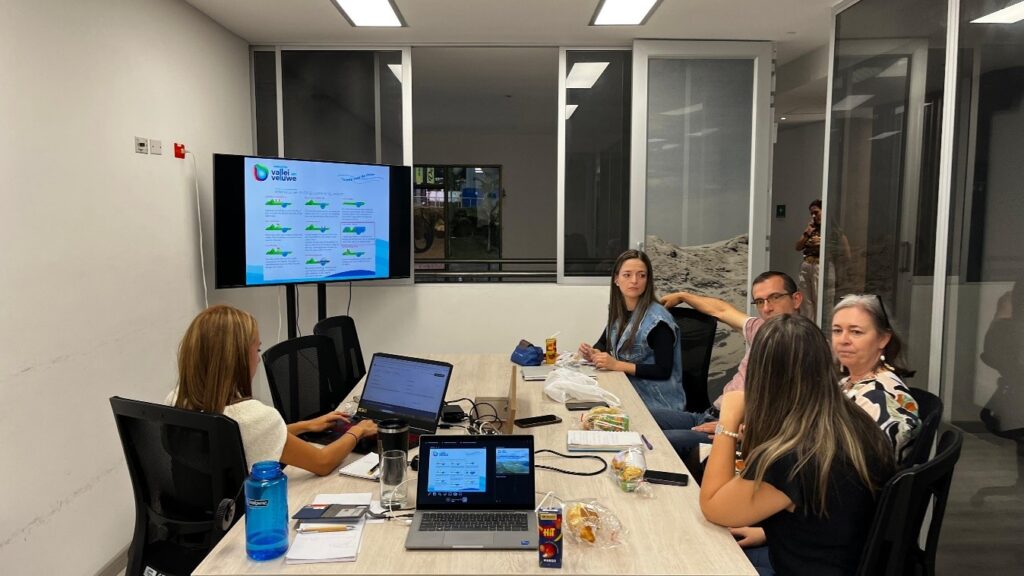
Pictured: Working session with Infrastructure team in Aguas de Manizales, including Mariana’s mentor Robbert Bruin from Dutch Water Authorities.

A Transformative Experience

Beyond her technical contributions, Mariana describes the YEP programme as a transformative journey:

“From the start, I’ve had access to training that gave me the tools to build a solid foundation for my career. I’ve strengthened soft skills like intercultural communication and teamwork, and gained self-awareness through tools like the MBTI. The support from my mentor and coach has been essential in navigating both technical and personal challenges.”

She also highlights the value of participating in online courses, particularly in Change Management, and looks forward to attending the National Public Services Congress (ANDESCO) to expand her network and visibility in the sector.

Building the Future of Water

Mariana’s story is just one example of the impact of the YEP programme. Since the beginning of the YEP programme, 68 YEPpers have graduated within Blue Deal partnerships. By investing in young professionals like Mariana, the Blue Deal is not only strengthening local institutions but also cultivating a new generation of leaders committed to sustainable water solutions.
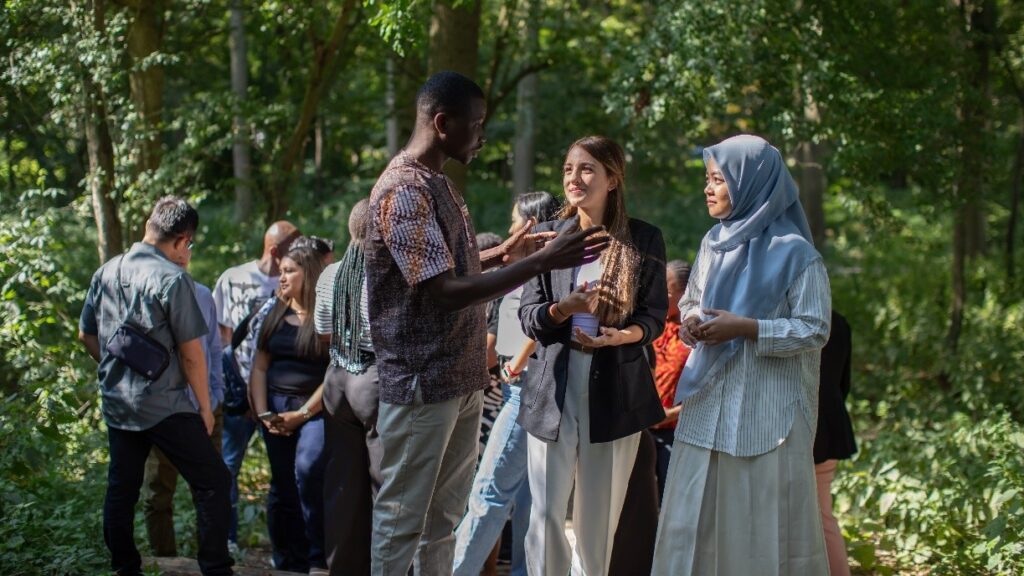
YEPpers in training

Pictured: Mariana with fellow YEPpers Paul (Burkina Faso) and Arum (Indonesia)
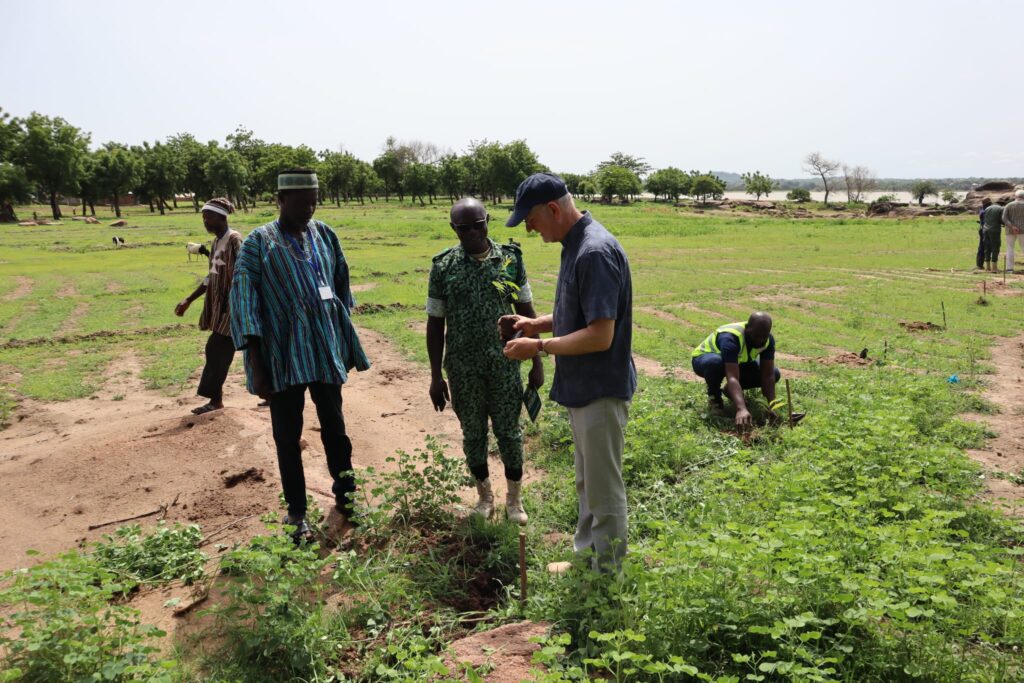
Tree planting unites communities in Kasenkpe Sub-basin

In Ghana, annual tree planting activities are a key part of national efforts to enhance the environment and promote sustainability. This year, Blue Deal has taken a leading role by focusing its efforts on the Kasenkpe Sub-basin, a strategic move that not only supports greening of the area, but also strengthens water management in the region.

On June 5 and 6, 2025, the Forestry Service Division, in partnership with the Blue Deal, organised tree planting events across the Kasenkpe Sub-basin to raise environmental awareness and promote sustainable practices.

At Kongo Junior High School, students enthusiastically prepared the grounds and planted trees as part of the “Tree for Life” celebration. The school committed to maintaining the trees, helping to create a greener and more sustainable learning environment.

Tree planting Kasenkpe Basin
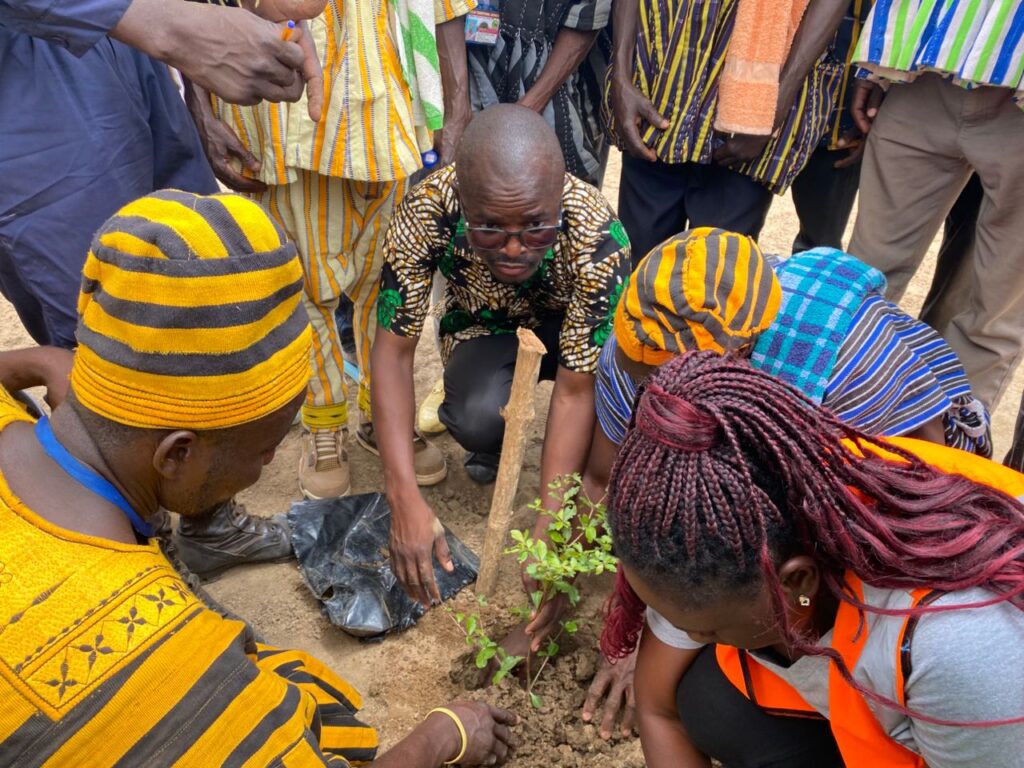
Pictured: Tree planting activity in the Kasenkpe Sub-basin

On June 6, a community planting event was held at the Maclean Dam in Bukere, led by local environmental chiefs. These traditional leaders play a vital role in environmental governance, having been appointed to raise awareness about deforestation and promote tree planting within their communities. Read more about the environmental chiefs here. 

The event at the dam served multiple purposes: it raises awareness, helps prevent erosion around the dam reservoirs, protects vital water infrastructure, and helps to recharge groundwater levels. In addition, 1,000 seedlings were distributed to members of various community committees to encourage continued planting efforts. 

This initiative underscores the power of collaboration in restoring degraded landscapes and strengthening environmental stewardship. It has also deepened the partnership between Blue Deal and the Forestry Service Division, reinforcing their shared commitment to sustainable development. 

Environmental chiefs planting trees

Pictured: Community planting activity in June 2025

Raising awareness, inspiring action: how Indonesia’s youth are shaping water futures

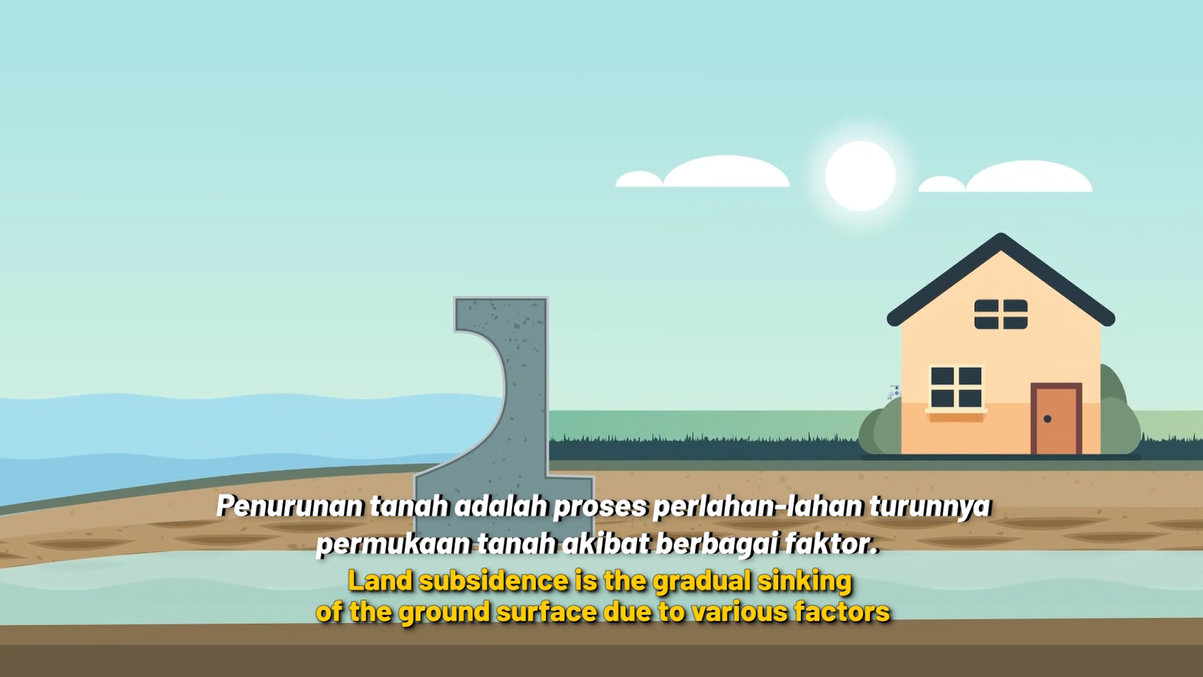
In the city and region of Pekalongan, residents face annual flooding, severe land subsidence, and poor surface water quality. While the local government is investing heavily in infrastructure there’s a growing recognition that sustainable water management isn’t just about infrastructure - it’s about people. Community involvement is essential to finding lasting solutions, with children and students as key players in protecting the environment and improving quality of life.

Our partners are embracing this shift, developing tools and initiatives to actively involve these social groups in water-related challenges and solutions. 

To raise awareness, a video campaign was launched featuring a local influencer and produced in partnership with Blue Deal. Using humor, a relatable tone, and clear expert insights into the key issues, the video explains the challenges and highlights how residents can contribute to improvements. The campaign was officially launched by the Mayor of Pekalongan during the most recent Blue Deal visit. 

Trailer for awareness video in Pekalongan 2025

Trailer for awareness video in Pekalongan 2025

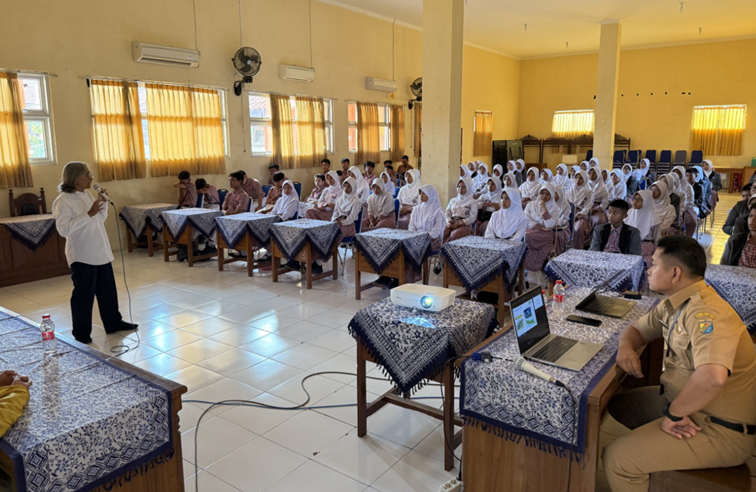
As part of the same awareness campaign, the Dutch Water Authorities (DWA) team was invited to give a guest lecture on water management at a local secondary school – empowering the next generation with knowledge and inspiration. 

Pictured: A guest lecture at a local secondary school 

Tangerang: Youth in Action

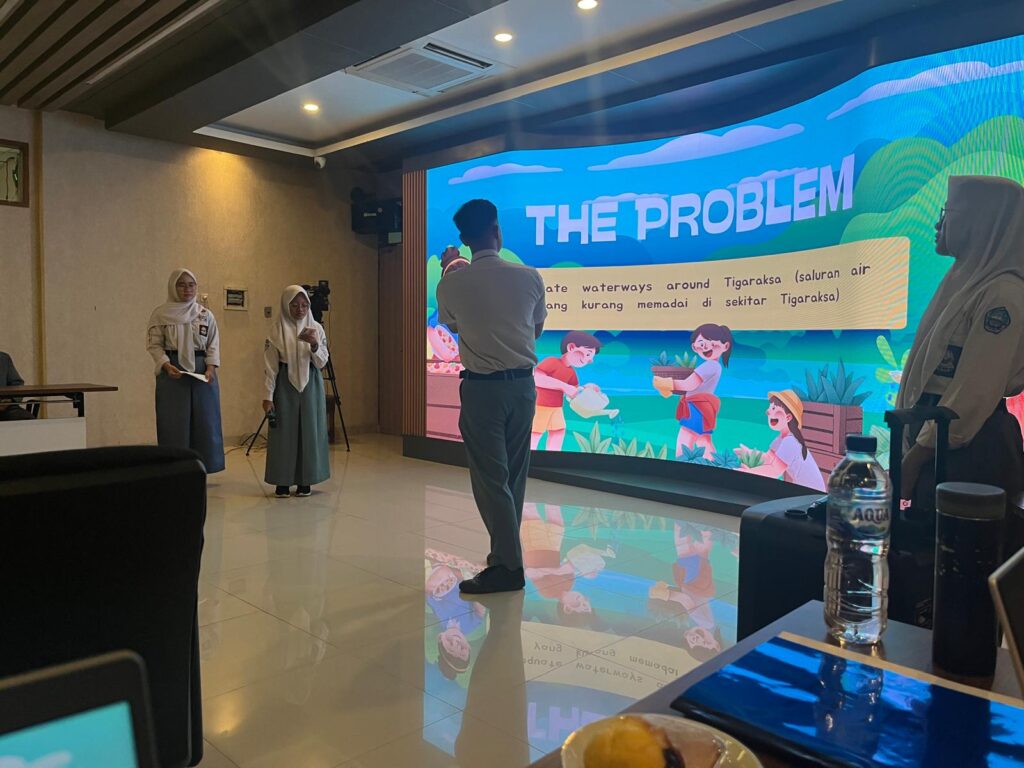
In Tangerang, youth engagement took center stage during a Blue Deal visit in May. A dynamic workshop with high school students kicked off with an introduction to water management and solid waste issues. Students were then challenged to develop ideas to improve their local environment. 

Through brainstorming sessions and school-based follow-ups, students presented a wide range of creative and enthusiastic solutions just days later. Together with our local partner, represented by the head of Bappeda, we are now exploring how to embed these types of awareness activities into a structured, long-term programme.

A cross-cutting theme within the Blue Deal programme is social inclusion. This example from our Indonesia partnership shows that the future belongs to the young generations – and they are ready to lead!

Pictured: Students present their solutions during workshops in Tangerang

From plan to practice: Romania and the Netherlands strengthen water management with smart tools 

For over 25 years, Romania and the Netherlands have worked together to improve water management. This long-standing partnership focuses on four major challenges: tackling floods, addressing drought, securing sustainable financing, and developing smart tools like Decision Support Systems (DSS). In 2024–2025, the collaboration has taken another step forward with concrete results and high-level exchanges.

DSS Project: From Training to Implementation  

In May 2024, the NWB Fund approved the project “Creating a pre-operational DSS for reservoir management in the Upper Argeș River Basin.” The first training, delivered with support of HKV and Deltares, took place in late 2024 and early 2025 to Romanian water managers, meteorologists, and policymakers. Participants developed digital models of reservoirs in their own regions, introducing them to real-time control tools and modeling techniques. The training was well received, with participants appreciating the level of difficulty and providing valuable feedback for the second training scheduled for September 2025.  

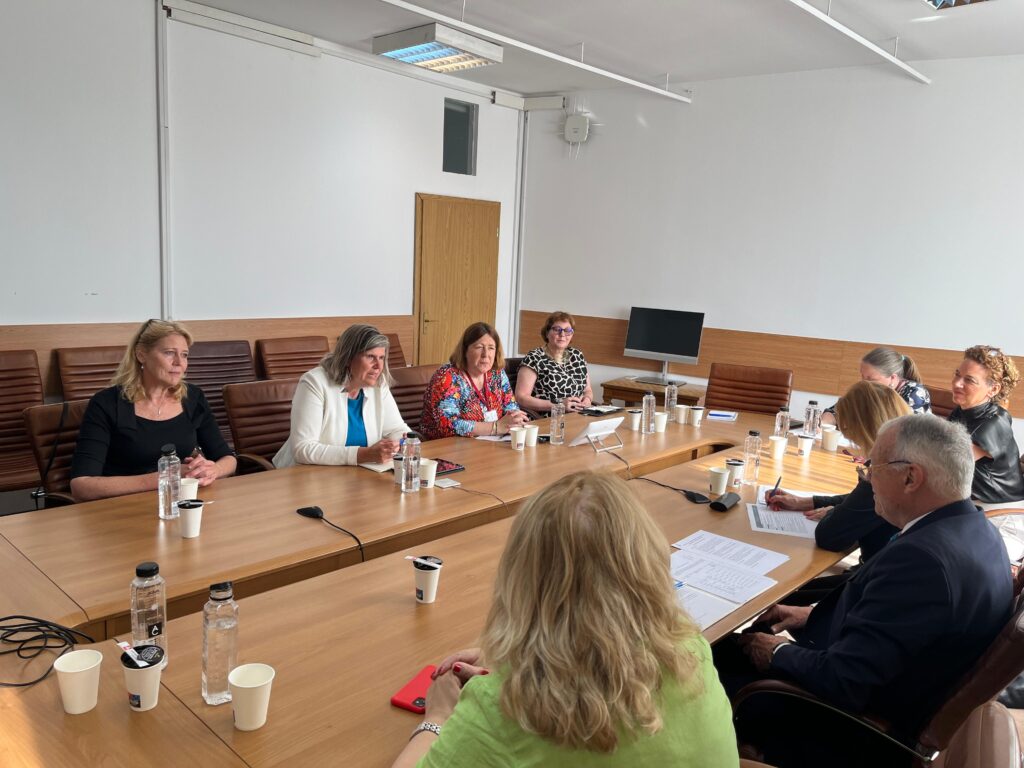
Dutch delegation in Romania June 2025
Pictured: A Dutch delegation, including Meike van Ginneken (Dutch Water Envoy) and Luzette Kroon (Dutch Water Authorities) speaking with the Romanian Minister of Sustainable Development

Why a DSS Matters:  A Decision Support System (DSS) is a digital tool that helps water managers make better decisions – for example, when to release or store water in reservoirs. It combines data, models, and expert knowledge to simulate different scenarios. In times of drought or heavy rainfall, a DSS can help prevent damage and ensure water is used wisely. As climate extremes become more frequent, these tools are essential for smart, future-proof water management. 

High-Level Visits Strengthen Collaboration 

On 13–14 May 2025, a Romanian delegation visited the Netherlands to explore the abovementioned DSS implementation strategies. They met with Dutch experts at Deltares, the Rijnland and Zuiderzeeland Water Authorities, and Rijkswaterstaat. The visit focused on translating Dutch experience into Romanian practice. 

This week, a Dutch delegation, led by Dutch Water Envoy Meike van Ginneken, is visiting Romania to deepen cooperation. It is also an opportunity to start the preparations for the next project phase of the Blue Deal partnership.  

Four Shared Challenges, One Strong Partnership 

The DSS project is just one of the four themes being addressed through the broader collaboration between the Netherlands and Romania, focusing on key water challenges: 

  • Tackling Floods: (Partner: River Basin Authority (RBA) Siret) 
    The 2021 Limburg floods showed that we need to be prepared for flash floods. Dutch partners have learned from Romanian approaches to flash flood response. 
  • Tackling Drought through Stakeholder Engagement (Partner RBA Jiu)
    The team created a short video on this topic, shown below. 
  • Securing Sustainable Water Financing
    Romania recently approved new legislation expected to generate 25% of the National Administration “Romanian Waters” (NARW)’s income.
  • Developing a DSS for Reservoir Management (Partner:
    As highlighted in this news item, the DSS project is on track, with training underway and strong interest in scaling up. 

Results So Far

Aside from the update mentioned here, there are several results highlights achieved in this period, made possible through strong collaboration with Romanian Waters and other partners in the programme. These include:  

  • A pilot water management plan was developed for the Dăbuleni area
  • A surface water model was built with IHE-Delft
  • A stakeholder engagement strategy was created for the Siret region
  • A training program for real-time control tools (RTC Tools and Delft-FEWS) was launched with €150,000 in additional funding
  • Moldova water delegates joined Blue Deal trainings, with discussions ongoing for deeper cooperation

During the high-level visit to Romania, Luzette Kroon (Dutch Water Authorities) said: “The Romanian-Dutch Blue Deal partnership has proven to be an effective way of exchanging knowledge and implementing pilots. We are not only addressing immediate challenges like floods and droughts, but also building a resilient framework for future water security in Europe.”

Dutch Water Authorities joins ResNRJwater partner meeting in Switzerland

From 3 to 5 June 2025, Dutch Water Authorities participated in the fourth partner meeting of the ResNRJwater project, held in Arbon, Switzerland. The event brought together international partners and experts to exchange knowledge and experiences in the field of renewable energy production at wastewater treatment plants.

The programme included inspiring presentations and discussions on topics such as net zero ambitions for wastewater treatment plants, identification of renewable energy sources, aquathermia, smart energy storage systems, and the development of training materials for water authorities. In addition, participants visited innovative sites, including the Altenrhein and Morgental WWTPs, where practical examples of energy production from wastewater were showcased. 

Dutch Water Authorities, represented by the Unie van Waterschappen, actively contributed to the discussions and shared insights into the Dutch approach to climate and energy. The meeting provided valuable inspiration and practical knowledge that can support Dutch water authorities in further developing and implementing sustainable energy solutions at their facilities.

With many useful lessons learned, Dutch Water Authorities looks forward to sharing the gained knowledge with the regional water authorities in the Netherlands, to help accelerate the transition towards climate-neutral water management.

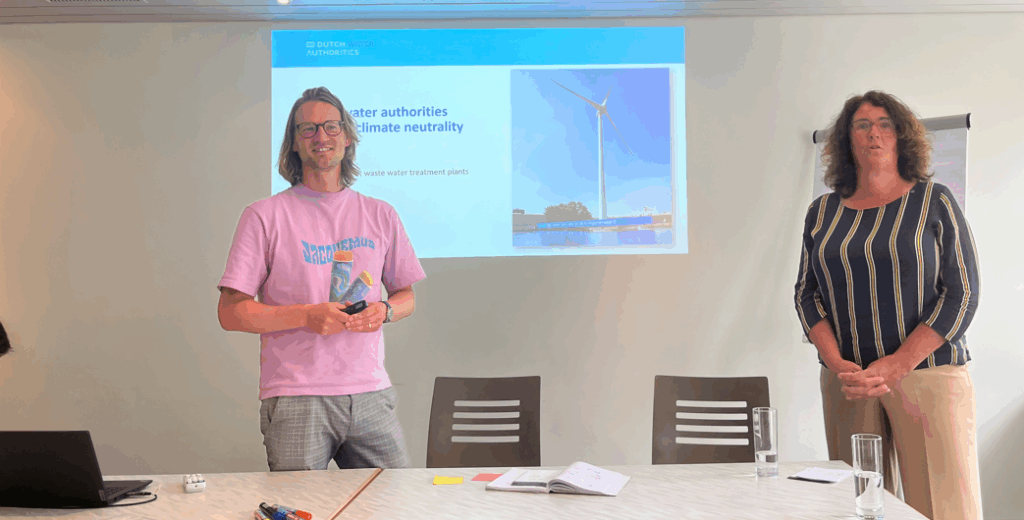
(pictured: Aart Los and Ina Elema of Dutch Water Authorities) 

For more information about ResNRJwater, see: Home | ResNRJwater

Innovative drone technology demonstrated to Mozambican Blue Deal delegation

As part of the international Blue Deal programme, a delegation of eleven water experts from Mozambique visited the Netherlands this week to explore innovative approaches to water management. The visit, hosted by the Dutch water authorities Wetterskip Fryslân and Waterschap Rijn en IJssel, focused on sharing expertise in dike monitoring, water conservation, data management, and flood risk mitigation.

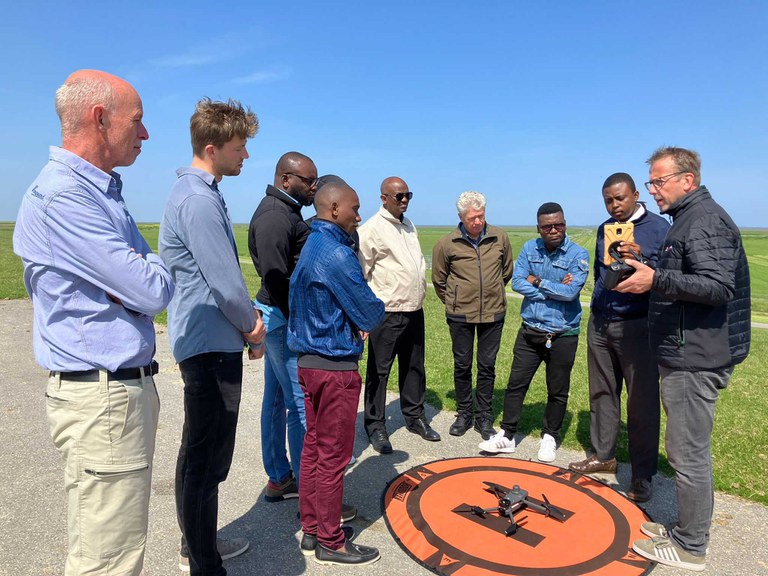
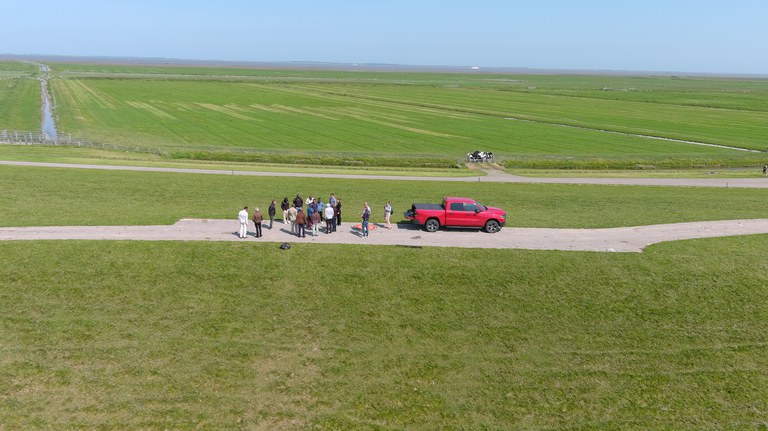
A highlight of the visit was a drone demonstration on June 12 at the Wadden Sea dike near Ferwert. The demonstration illustrated how drone technology can be used to inspect dikes and water barriers quickly, accurately, and safely – even in hard-to-reach areas, as can be the case in Mozambique. The Mozambican delegation observed how drones equipped with cameras can map dike height, alignment, and potential damage. This technology, already in use by Wetterskip Fryslân, will soon be deployed in Mozambique with support from the World Bank.

A Global Mission for Water Security

Wetterskip Fryslân plays a leading role in the Mozambique Blue Deal partnership, working closely with regional water authorities (ARA’s – Administrações Regionais de Águas) and other institutions. Their collaboration focuses on five strategic themes:

  • Strengthening budget and asset management
  • Enhancing flood forecasting and protection
  • Improving water allocation during droughts
  • Monitoring and managing water quality
  • Upgrading sanitation and drainage systems, especially around Beira

Mutual Learning and Innovation

Luzette Kroon, chair of Wetterskip Fryslân highlighted the importance of exchanging knowledge and experiences from both countries: “The Blue Deal is not just about offering each other support – it’s about learning from each other. Today we’re sharing our experience with drone inspections, but we’re also inspired by how Mozambican partners develop effective water solutions with limited resources. That exchange of knowledge is at the heart of the Blue Deal programme.”

This news item is reposted as a translation of the original article of Wetterskip Fryslân.

Dutch Water Authorities, IHE Delft and Rotary Netherlands strengthen cooperation to tackle water challenges 

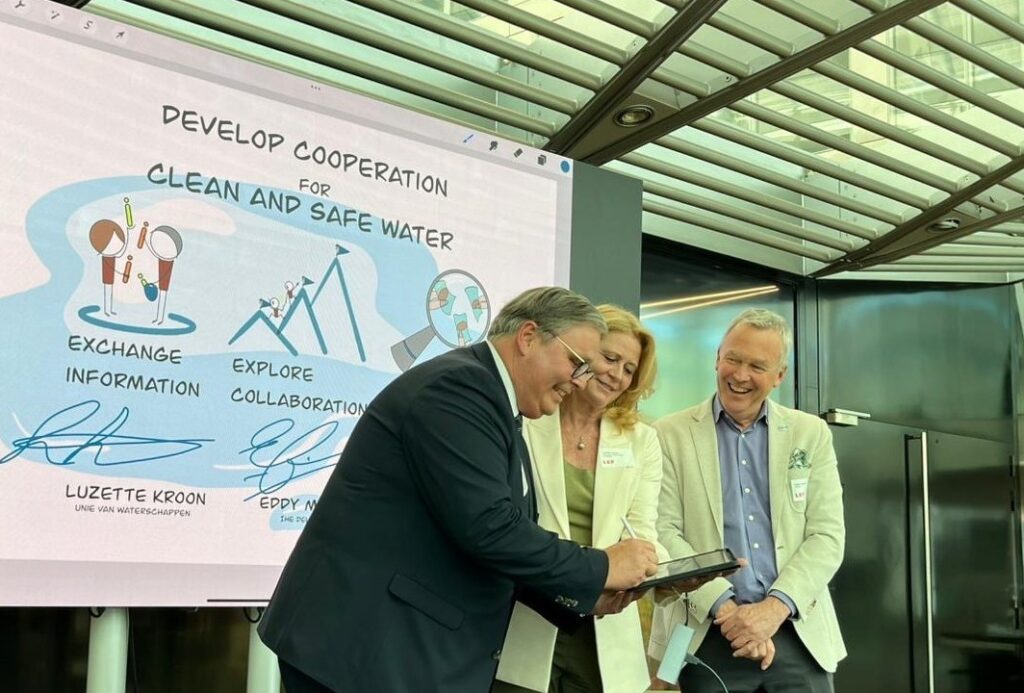
In a step toward more effective and inclusive water solutions worldwide, leadership of the Dutch Water Authorities (Unie van Waterschappen), IHE Delft Institute for Water Education, and Rotary Netherlands gathered at the annual Rotary Water Congress on Saturday 10 May 2025 to sign a Letter of Intent (LoI) to strengthen their strategic collaboration for the next four years.

With this signing, the three organisations build on earlier informal collaborations within the Dutch Water Authorities’ international Blue Deal programme. The Letter of Intent marks a shared commitment to combine their complementary knowledge, networks, capacities and expertise to increase their joint impact in the fields of water safety, water availability, water quality, and good water governance. 

Collaboration

This enhanced collaboration reflects a shared ambition: to strengthen the global response to growing water-related challenges, especially in light of climate change. Key areas of collaboration include: 

  • Exchanging information on current and upcoming projects, including training and education opportunities 
  • Exploring collaborations within the Blue Deal partner, IHE Delft and Rotary networks  
  • Investigating co-funding opportunities for specific water-related projects 

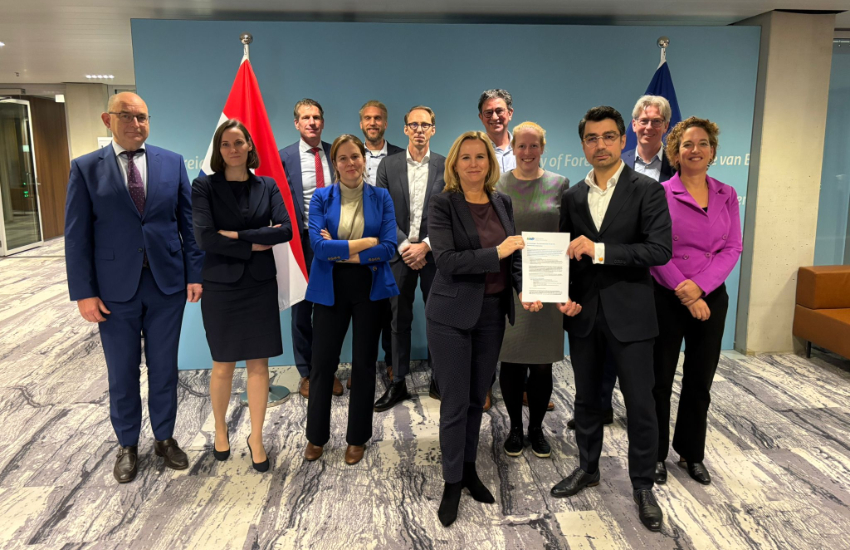
The Letter of Intent was signed on behalf of the three organisations by Luzette Kroon (Dutch Water Authorities), Prof. Dr. Eddy Moors (IHE Delft Institute for Water Education), and Jan de Mooij (Rotary Netherlands). 

“By joining forces, we can scale up meaningful water solutions – empowering communities, reinforcing good governance, and ensuring that more people around the world gain access to clean and safe water”, Luzette Kroon said about the collaboration. 

(pictured: Signing of the Letter of Intent) 

About the Partners 

The Dutch Water Authorities (Unie van Waterschappen) represent the 21 regional water authorities in the Netherlands. These public organisations have centuries of expertise in managing water systems, flood protection, and water quality – experience they actively share internationally. This is largely done through the Blue Deal programme. This is a joint programme of the Dutch Water Authorities and the Ministries of Foreign Affairs and of Infrastructure and Water Management. It’s goal is to exchange knowledge with 17 international partner water authorities in 15 countries worldwide.  

IHE Delft Institute for Water Education is the world’s largest international graduate water education facility. Based in Delft, the Netherlands, it empowers professionals from around the globe through education, research, and capacity development in water management. 

Rotary Netherlands, part of the global Rotary network, brings together a diverse community of professionals and volunteers committed to humanitarian service. Through its local clubs and international reach, Rotary plays a catalytic role in driving community-led development, including clean water and sanitation projects. 

Blue Deal part of economic mission and state visit Kenya

Blue Deal partnership Kenya was an active partner in the economic mission that took place in March. The aim was to strengthen collaboration between Kenya and the Netherlands as strategic and economic water- and agriculture partners. The visit was combined with a state visit from their Majesties King Willem-Alexander and Queen Máxima.

Dutch King and Queen plant a tree
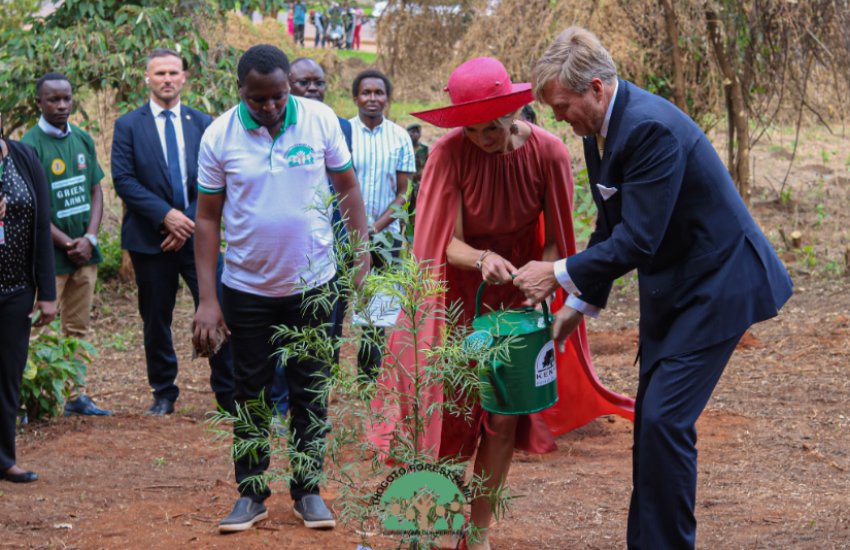
Dutch King and Queen plant a tree at Thogoto forest at the source of Nairobi’s Mbagathi river, Kenya

World Waternet and the Water Resources Authority in Kenya have been working together in the Blue Deal programme since 2018 on various topics. The collaboration covers water allocation, water quality, river basin management, flood protection and innovative stakeholder engagement. The economic mission provided opportunities to accelerate investments for sustainable water solutions in these fields. 

The economic mission was led by Ms. Reinette Klever, Minister for Foreign Trade and Development. The water track lead was being guided by Netherlands Water Partnership (NWP). World Waternet presented all the work they are doing in Kenya to the participants of the economic mission. Moreover, it was able to establish a relationship between WRA and the Dutch businesses as well as Kenyan and international investors. 

Blue Deal partnership coordinator Simon Kamuyu Muturi participated in a tree planting ceremony in Thogoto forest at the source of Nairobi’s Mbagathi river with their Majesties King Willem-Alexander and Queen Máxima. Simon is part of a larger team of World Waternet based in Kenya, led by Peter de Koning.

Peter de Koning explains: “It was clear that investments in the catchments, among others through sustainable partnerships in building governance through the Blue Deal programme, are critical. Furthermore, taking an integral watershed approach through Blue Deal spin-offs such as the Njururi initiative and the Mathare River initiative, are essential along the value chain up to the highly needed WASH investments. Such was noted by one of the participating credit facilities. It recognised World Waternet as one of very few working throughout the entire water cycle. It was very valuable to showcase and discuss the Blue Deal work with the Dutch government and trade partners, exploring and strengthening partnerships in smart metering and flood management.”  

Community engagement with YEP Indonesia

Partnership Blue Deal Indonesia, Tangerang, focuses on stakeholder engagement in the development of a water retention project. Since September 2024, the partnership has Young Expert Adithyar Rachman in its team who led a significant stakeholder meeting.

Blue Deal partnership Indonesia
Blue Deal partnership Indonesia, Tangerang

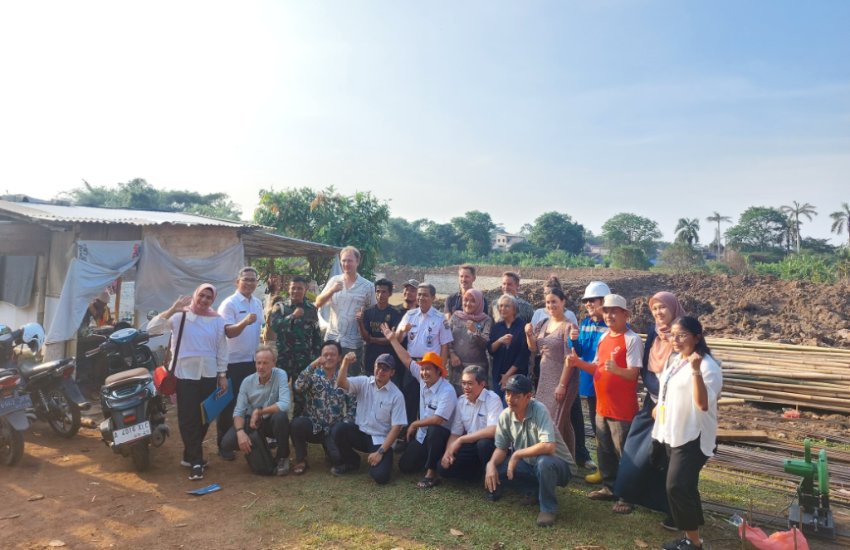
Over the past six months a stakeholder workshop took place, which aimed at engaging local communities around the planning of the Tandon Puri Tigaraksa. Tandon means ‘reservoir’ in Bahasa. It is one of the most significant activities in the YEP Programme of the Young Expert Adithyar in Indonesia, in collaboration with the Blue Deal Tangerang project. It is currently being developed in two phases. The first phase focuses on constructing the flood prevention reservoir, to help manage excess rainwater and mitigate flood risks. Once this stage is completed, the second phase involves designing the surrounding area to serve as a green open space with recreational facilities for the local community.

Recognising the importance of community participation, they actively engaged local residents to determine the best ways to utilise the space to meet their needs. This inclusive approach ensures direct benefits to the community from the project. In addition, it fosters a sense of shared responsibility. Residents are actively involved in the planning process to encourage long-term maintenance efforts, and the reservoir remains clean and well-preserved. To facilitate this engagement, a workshop was held at the reservoir site. The community was able to share their ideas through this hands-on opportunity.

Workshop process and community participation

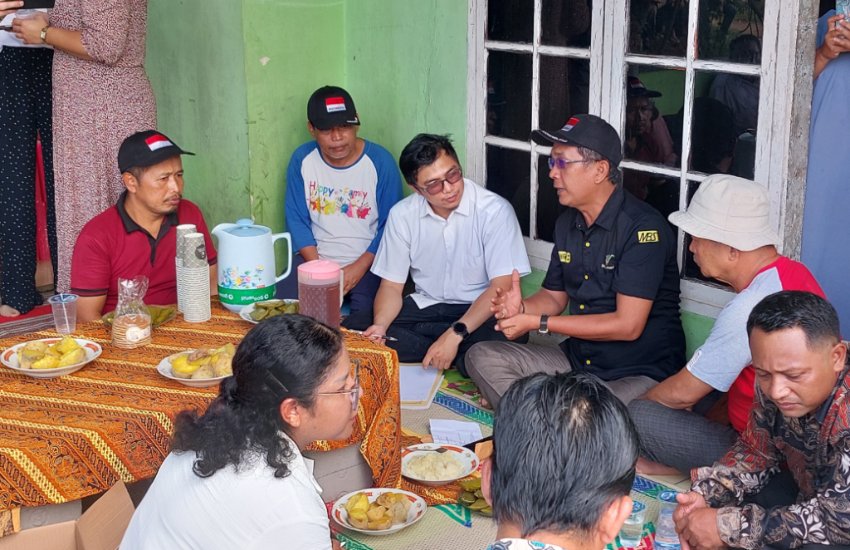
The goal of the workshop was to gather insights from the community regarding their expectations for the reservoir area. A total of 15 participants from the local community attended. The discussions proved highly productive, and it generated important input to shape the next phase of the project.

The participants were divided into small groups. They focused on three key questions:

  • What is needed to bring this plan to life? – Identifying essential infrastructure, facilities, or resources required to successfully develop the area.
  • How can it be maintained? – Exploring strategies to ensure the space remains clean, functional and sustainable over time.
  • How can the community take responsibility for maintenance? – Encouraging residents to take an active role in maintaining the space through community initiatives, local regulations, or organized efforts.

These discussions provided a platform for community members to have their thoughts and concerns heard. Also, it fostered a sense of ownership over the project’s future.

Stakeholder discussion in Indonesia

The role and contributions of Yepper Adithyar Rachman

Adithyar is part of the Young Expert Programme and started in September, 2024. He played a key role in facilitating communication between various stakeholders, including representatives from the Blue Deal Team Tangerang, local village leaders, and community members. Furthermore, government officials from the Planning Agency, the Public Works and Water Resources Agency, and the Head of Tigaraksa District were present. The role of Yepper Adithyar was to assure that the community’s feedback was effectively integrated into the planning.

Adithyar shares: “My participation in the Young Expert Programme was instrumental in this process. The skills and experience I gained, particularly in stakeholder engagement and effective communication, helped me navigate the complexities of balancing technical feasibility with community interests. YEP strengthened my abilities in active listening, summarizing and digging deeper (LSD) in the discussions. All of which were crucial in making the workshop a success.”

By involving the community early in the process, it was ensured that the reservoir serves as a flood mitigation measure. Furthermore, it becomes a shared space that residents actively maintain and take pride in. Therefore, this collaborative effort strengthens community ownership and lays the foundation for sustainable water management in the region. Many more Blue Deal partnerships pay attention to taking the local approach as a basic foundation for any development, by including communities and water users in every step of a planning process. They are supported in this by a dedicated Focal Point for Social Inclusion.

Adithyar concludes: “Besides the valuable teamwork within our Blue Deal partnership, in this occasion I wish to express special thanks to the Blue Deal Tangerang team members ibu Mia and ibu Thiresia together with Michelle Cornelissen from the Dutch Water Authorities. They undoubtedly contributed in making this stakeholder meeting a success.”

Impact of the Blue Deal on Dutch international water policy

The Dutch government is shaping its policy for development cooperation for the coming years. This is done in the light of a decision to cut back on international cooperation budgets. Water management will remain a key focus in the Dutch international policy. And existing financing obligations, such as cooperation in the Blue Deal programme, are given priority.

Dutch Water Authorities has therefore participated in various meetings, amongst others with members of the Dutch Parliament and in a meeting with the Minister of Foreign Trade and Development Aid. In this way, we point out the importance of the contribution of the Dutch Water Authorities, by means of the Blue Deal programme, for international cooperation in the water sector.

Blue Deal contributes to key objectives of Dutch international water policy

Dutch Water Authorities brings to the front that the Blue Deal will continue to be an important cornerstone for the new Dutch international policy. This programme contributes to several key objectives:

  • Strengthening Dutch trade: The Blue Deal collaborates with regional water authorities in 15 countries. To implement projects in these regions, expertise is crucial, making Dutch companies a natural partner due to their world-class knowledge of water management.
  • Contributing to stability in our partner countries: By strengthening local and regional water authorities, the Blue Deal enhances water management, improving living conditions and reducing migration pressures. Additionally, climate adaptation solutions help ensure future access to clean, sufficient, and safe water, fostering a stable living environment.

Blue Deal contributes to global stability

“Water management remains a key theme in the government’s international vision,” says Luzette Kroon, Chair of the Blue Deal Steering Committee. “We take pride in our international efforts and see the tangible benefits for society. The Blue Deal is gaining momentum, promoting trade and contributing to global stability. I urge the Dutch Minister to ensure the Blue Deal is firmly embedded in the international cooperation strategy up to 2030. By focusing on strong local governance, we serve the Netherlands’ interests directly and sustainably.”

Global knowledge exchange and opportunities for Dutch businesses

“Water managers worldwide are increasingly facing extreme weather conditions, such as floods, droughts, and a lack of clean water,” Kroon continues. “This growing demand for water management expertise is precisely where the Netherlands excels. Since 2018, the Blue Deal has actively shared Dutch water knowledge globally, creating opportunities for both Dutch and local businesses. The programme supports the Sustainable Development Goals (specifically SDG6) and brings valuable insights back to the Netherlands, sparking innovative ideas that benefit our own water management.”

More clarity expected by spring 2025

The future direction of Dutch international trade and development policy will become clearer when the government releases its policy note in the spring of 2025. This document will outline the specifics of the Netherlands’ approach to water management and other priorities from 2026 onwards.