
At this year's Stockholm World Water Week conference, we brought together practitioners, financiers, water authorities, researchers and development partners to discuss a challenge that is familiar across the water sector but too often remains unaddressed: the Build-Neglect-Rebuild (BNR) cycle.
The conversation started during an interactive workshop on Sunday, 23 August, and continued the following day (Monday 24 Auguts) during a follow-up discussion at the Netherlands Pavilion. Together, the sessions explored a simple but uncomfortable question: how do we make a shift from focusing on investing in new infrastructure when there are so many water assets are not being properly maintained?
From construction to collapse
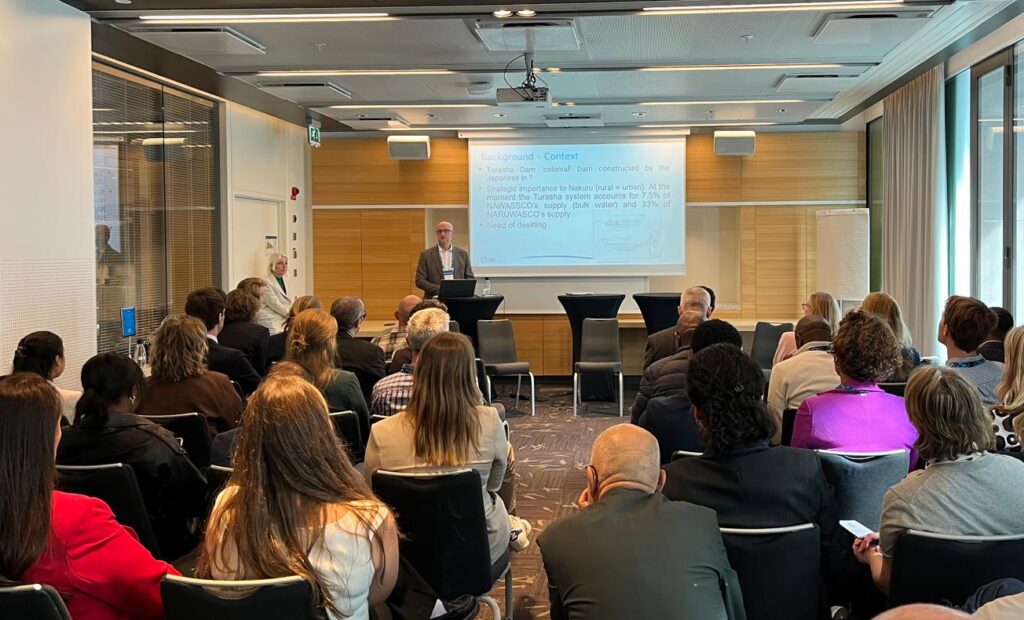
Following an opening by Saskia Hallenga (RVO), Myrko Webers (VEI Kenya) began with a case from Kenya’s Turasha Dam. The case illustrated a reality seen in many countries: infrastructure is built with the best intentions, but insufficient attention to long-term operation and maintenance can gradually undermine its performance. In the case of Turasha, years of challenges have brought the asset to a point where rehabilitation options are limited and rebuilding may ultimately be required.
The story highlighted a broader problem. While financing for construction is often available, funding and planning for long-term operation and maintenance (O&M) are frequently overlooked during project preparation and implementation.
Investing in systems, not just structures
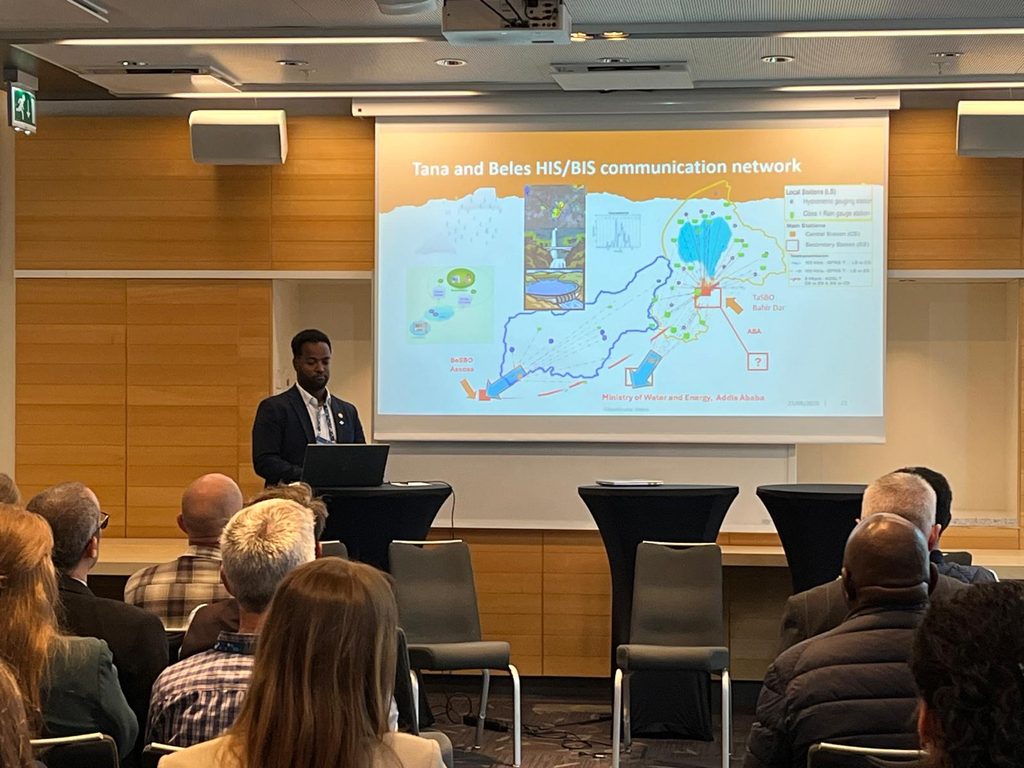
Semachew Ayele (Blue Deal Ethiopia, World Waternet and the Abbay Basin Authority Organisation) provided a different perspective through the ongoing work in Ethiopia’s Abbay Basin.
The objective was not simply to install new equipment, but to rebuild and sustainably rehabilitate monitoring infrastructure that had been damaged following an earlier donor-funded project. Through the Blue Deal programme, partners focused on strengthening the entire Integrated Water Resources Management (IWRM) cycle.
The approach combined technical rehabilitation with investments in people and institutions, including:
- Training on the installation and operation of telemetric monitoring stations.
- Rehabilitation and support of real-time monitoring and data systems linked to 15 telemetric stations.
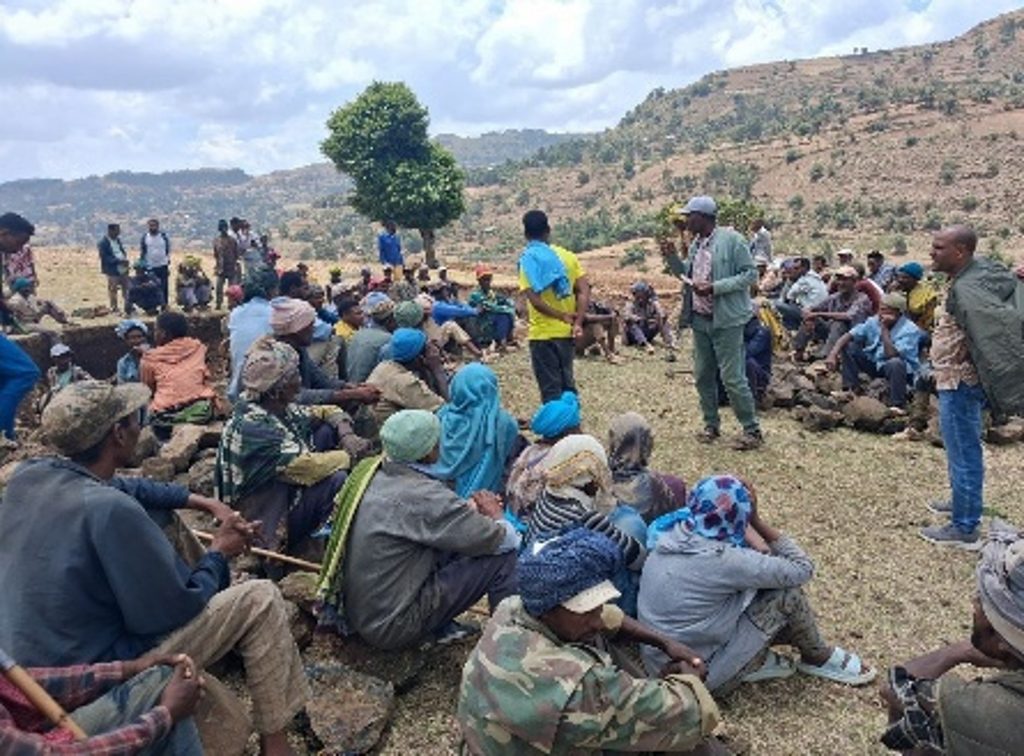
- Involvement of nearby communities in day-to-day protection, operation and minor maintenance of stations.
Perhaps the most important lesson was that sustainable infrastructure depends on much more than hardware.
Investment alone is not enough. Infrastructure requires parallel investment in people, procedures, governance and recurring O&M budgets. Ownership must be local and multi-level, involving everyone from national authorities to local communities. Long-term technical partnerships help strengthen capacity and confidence, while monitoring systems must be linked to real management decisions to justify continued maintenance and investment.
As Ayele concluded, the active engagement of basin authorities, local administrations and communities creates the foundation for daily operations, maintenance and long-term ownership.
Understanding why the cycle persists
Liliane Geerling (Partners for Water) presented the first insights from ongoing research conducted jointly by Partners for Water, the Blue Deal programme and WaterWorX.
Drawing on interviews with experts from multilateral development banks, utilities, academia, development finance institutions and the private sector, the research explored why the BNR cycle remains so persistent.
While the causes vary across contexts, a number of recurring themes emerged:
- Political and institutional incentives often favour building new infrastructure rather than maintaining existing assets.
- Lifecycle financing is frequently insufficient or poorly structured.
- Institutional capacity and asset management practices remain weak.
- Responsibilities and accountability are often fragmented across organisations.
- Data, monitoring and decision-making systems are inadequate.
- Long-term commitment, trust and leadership are difficult to sustain.
At the same time, encouraging trends are emerging. Performance-based financing models, utility transformation programmes, service-oriented approaches, public-private partnerships and stronger political accountability mechanisms are all helping to shift attention from construction towards long-term service delivery.
The research pointed towards several key recommendations:
- Put O&M at the centre of investment decisions.
- Design for operation and maintenance from day one.
- Build trust before strengthening accountability.
- Make maintenance visible through data, monitoring and digital tools.
- Ensure sufficient revenue flows to the asset manager for long term O&M
- Think beyond project cycles and support long-term institutional change.
The central message was clear: Build less for the short term. Sustain more for the long term.
Opening the discussion
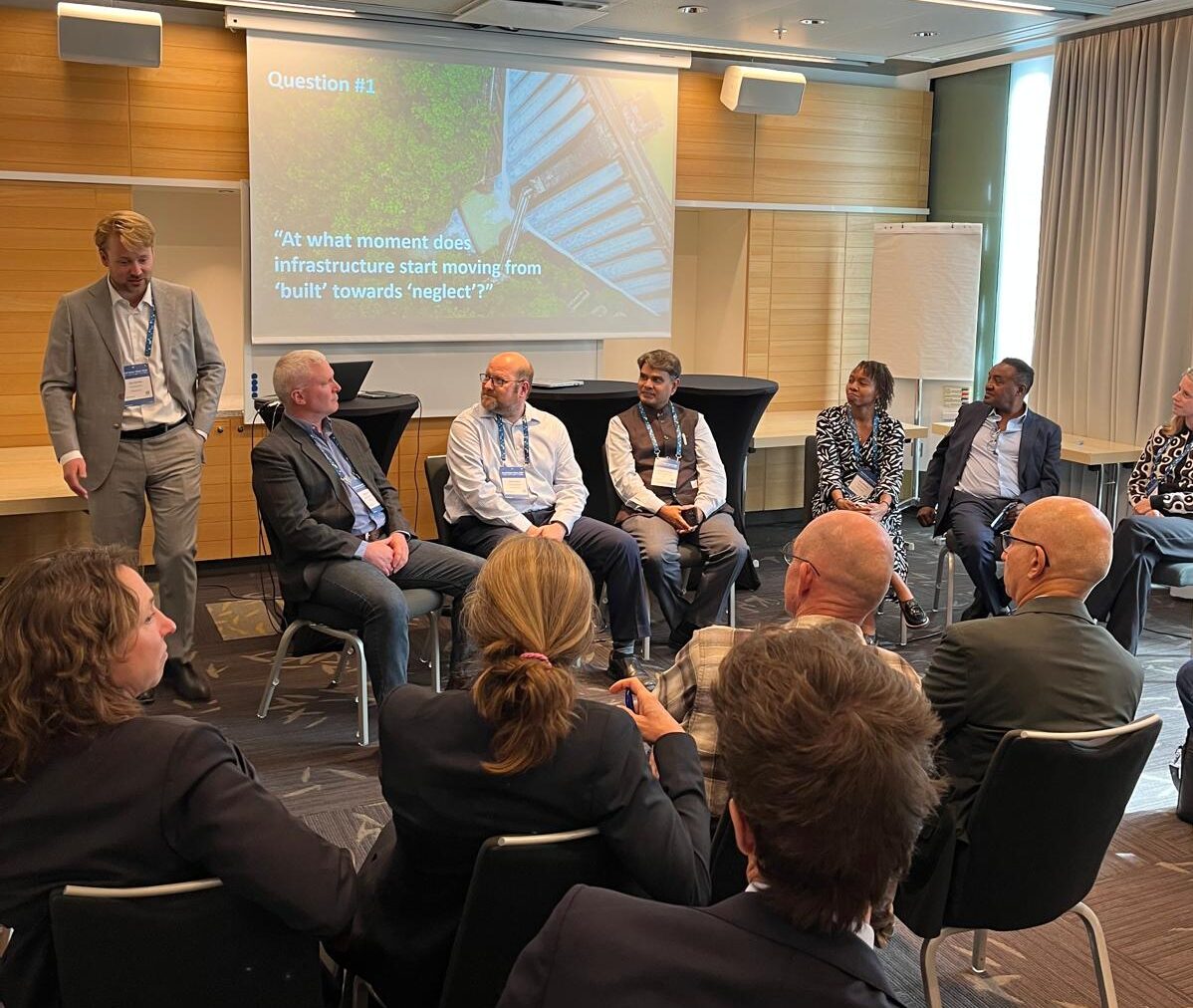
Following the presentations, participants moved into a fishbowl discussion designed to bring diverse perspectives into the conversation.
Representatives from across Europe and Africa joined the discussion, including participants from governments, utilities, NGOs, regulators, academia and civil society. Audience members were invited to join the fishbowl and contribute directly, creating a dynamic exchange of experiences and ideas.
Questions raised during the discussion included:
- When infrastructure starts to deteriorate, who should ultimately be accountable for ensuring action is taken?
- If you could change one thing in the way infrastructure projects are approved, financed or designed, what would it be?
- Can responsibility be shared without accountability becoming diluted?
The session was concluded by Eva Schreuder (Head of Water, Ministry of Foreign Affairs of the Netherlands), who took the insights of the sessions to reflect on the importance of moving beyond short-term project thinking and strengthening the conditions needed for infrastructure to deliver lasting impact.
While no single answer emerged from the workshop, there was strong agreement that infrastructure sustainability requires a shift in mindset. This feeling was echoed the next day, when these questions were again posed in a smaller setting at the NL Pavilion booth, with different participants.
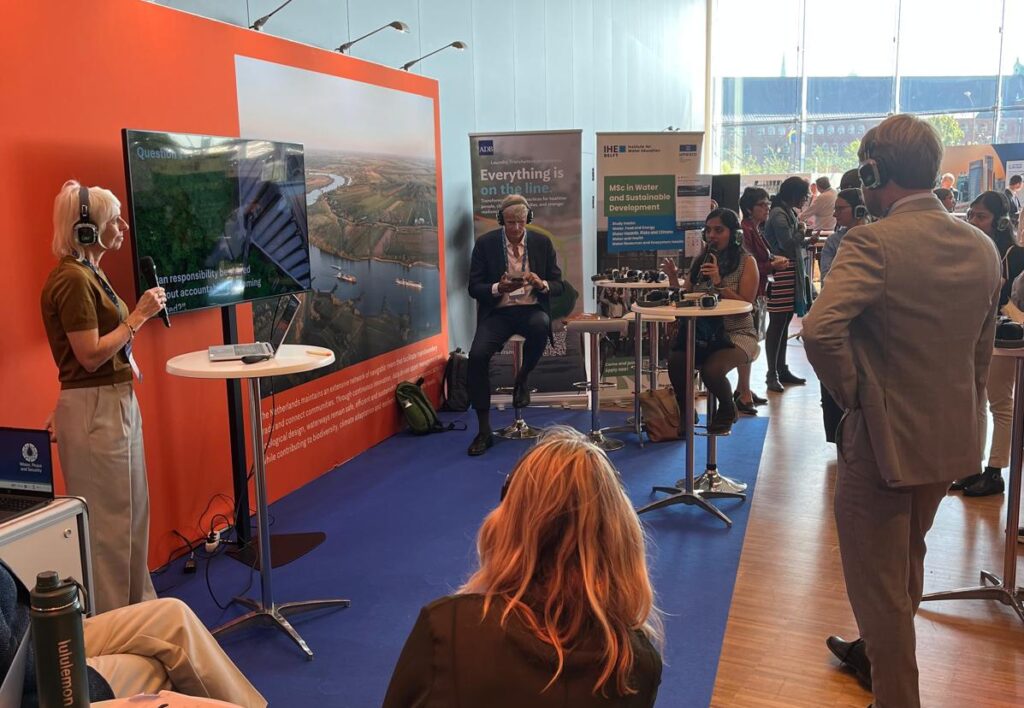
Two statements captured the spirit of the discussion:
“Stop financing assets without financing their future.”
“We should pay for the service, not for the infrastructure itself.”
A call to action
As preparations continue towards the UN Water Conference, the discussions resulted in a clear call for action directed at governments, development banks, donors, utilities and water authorities.
We need to:
- Make operation and maintenance a core investment requirement, with lifecycle financing embedded from the start.
- Require long-term asset management and operational readiness plans before approving infrastructure investments.
- Invest as much in people, institutions and governance as in physical infrastructure.
- Strengthen local ownership and accountability at every level.
- Use monitoring systems and digital tools to make maintenance visible and support evidence-based decision-making.
- Align financing with long-term performance and sustained service delivery rather than construction outputs alone.
- Ensure that revenue mechanisms for O&M are both financially sustainable and socially equitable.
Ultimately, breaking the Build-Neglect-Rebuild cycle is not a technical challenge alone. It is a governance challenge, a financing challenge and a capacity challenge.
If we want water infrastructure to continue delivering services for communities decades after construction, we must stop treating maintenance as an afterthought and start recognising it as a core investment in resilience, reliability and long-term impact.