
The Blue Deal partnership in the Palestinian territories has shown steady progress over the past year, continuing to strengthen water management practices despite operating in a highly complex and constrained environment. Working closely with the Palestinian Water Authority (PWA), Salfit Municipality and the Joint Service Council in North Hebron, the programme has focused on consolidating earlier achievements while building institutional capacity across the water sector.
Daily water and wastewater management practices have improved through hands-on collaboration between local and Dutch experts, with particular attention to strengthening data systems, enhancing operational performance and advancing wastewater solutions.
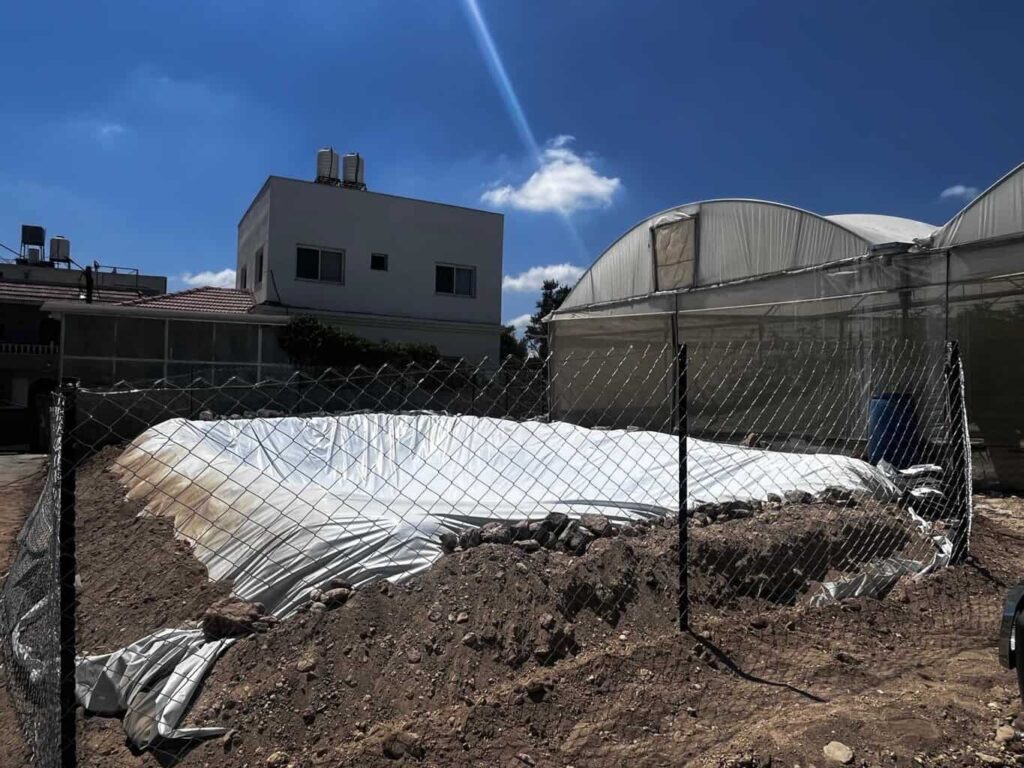
Concrete results on the ground underline this progress. For example, new rainwater harvesting infrastructure has been installed, capable of collecting around 100 m³ of water. In addition, peer-to-peer learning has been strengthened through exchange visits, including a visit by municipalities from North Hebron to Salfit to share knowledge and practical experiences.
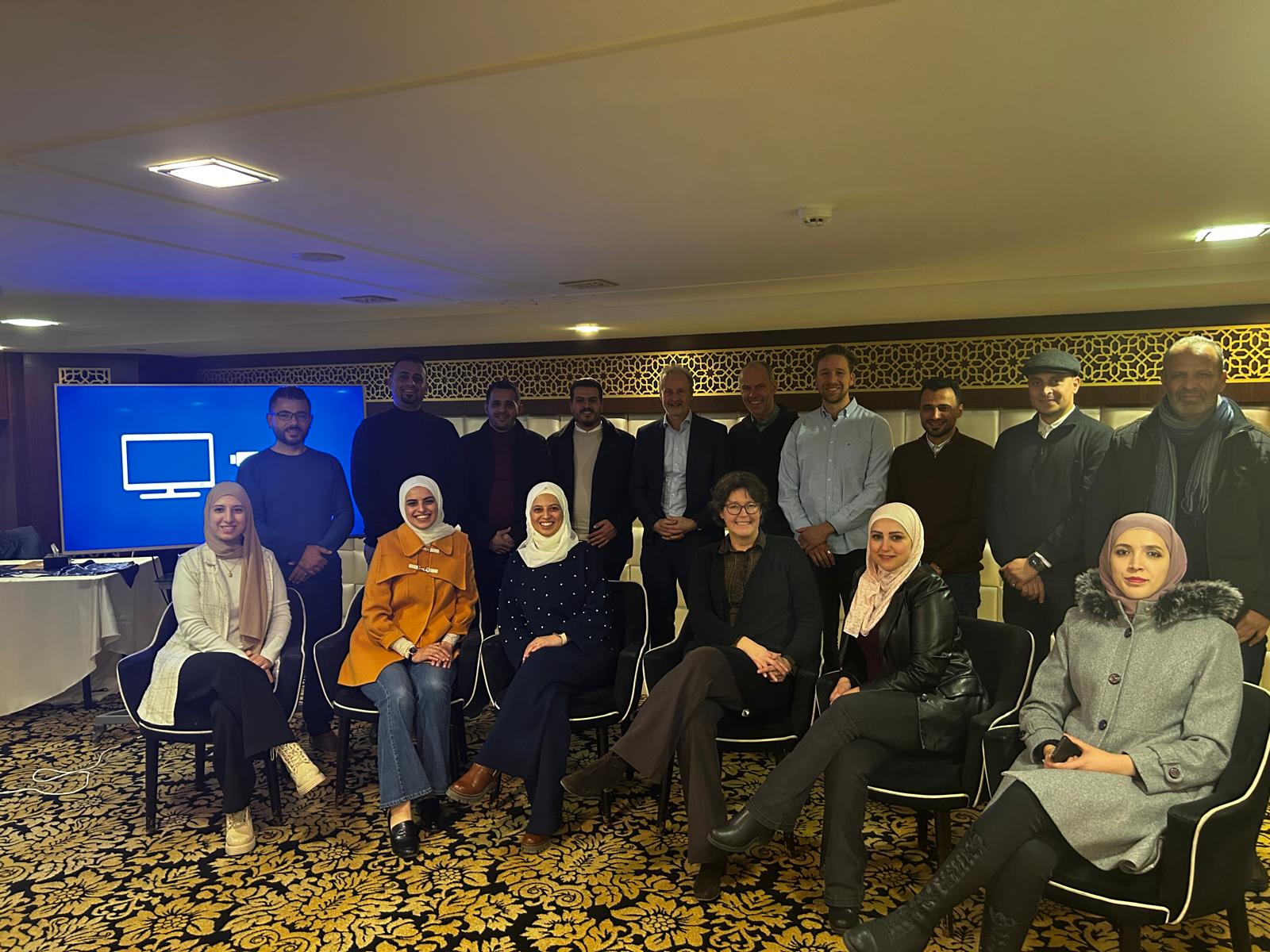
At the same time, the partnership has demonstrated resilience and adaptability in the face of ongoing challenges. Movement restrictions, limited access for international experts and the broader impacts of conflict have required more flexible ways of working. One notable adaptation has been the use of Jordan as an alternative location for missions and technical exchanges, ensuring continuity of activities while also opening up opportunities for regional cooperation with Jordanian partners.
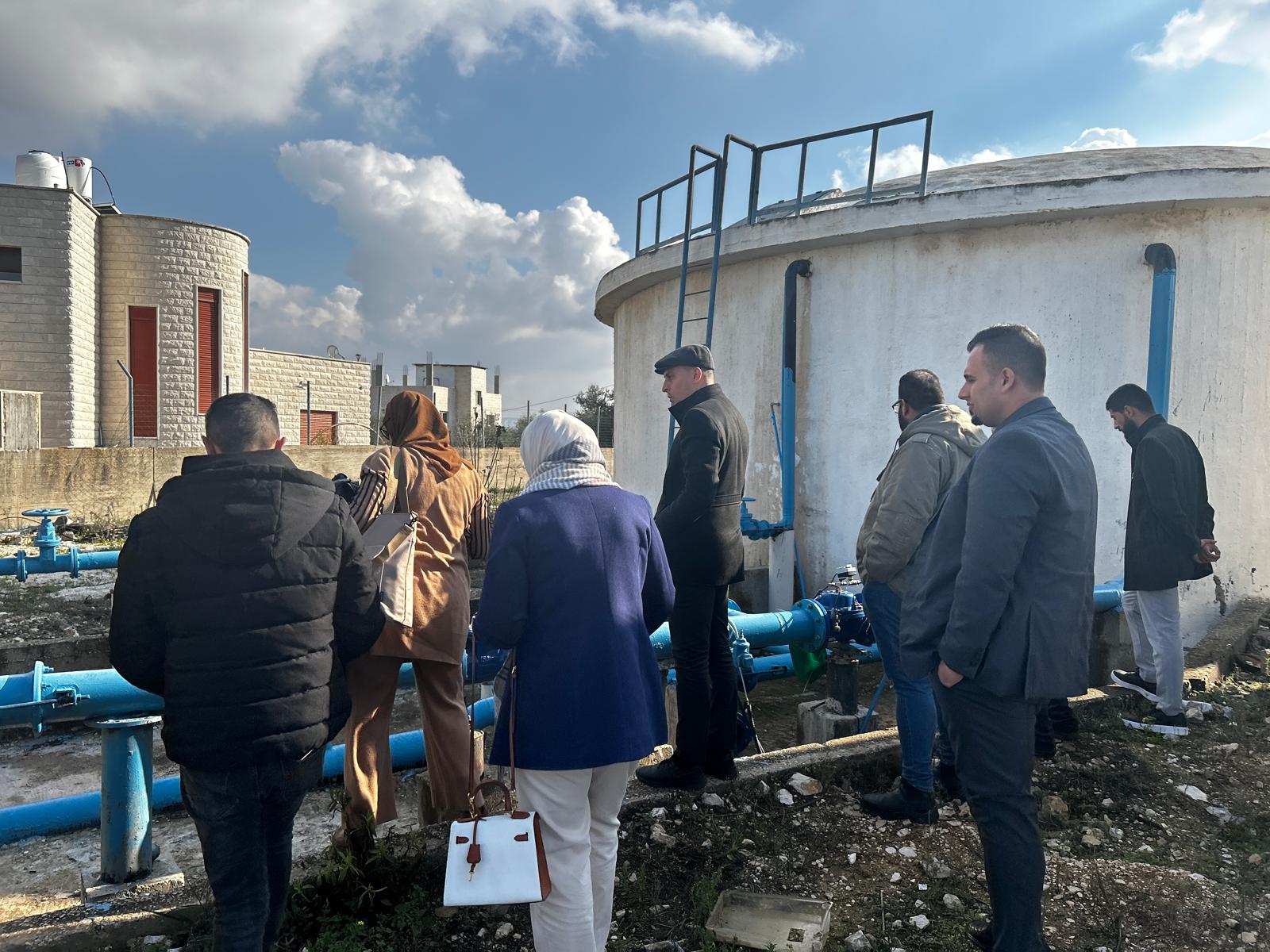
These missions have addressed key themes such as rainwater harvesting, climate adaptation, asset management, cost recovery and the use of GIS systems, often in connection with the WaterWorx programme. This integrated approach is helping partners move from pilot initiatives towards more structured and sustainable improvements.
Climate change is adding further pressure to an already strained water system. Increasing water scarcity and more frequent flash flood risks highlight the urgency of strengthening resilience. While governance and management practices have improved to a basic level across many areas, the main challenge now lies in scaling up successful pilots and embedding them within institutions in a financially sustainable way.
Looking ahead, the partnership will focus on translating proven approaches into concrete investments, in close coordination with local and international stakeholders. Greater emphasis will be placed on embedding new systems, tools and knowledge in daily practice to ensure lasting impact. Climate adaptation will also play a more prominent role, with increased attention to water efficiency and resilience.
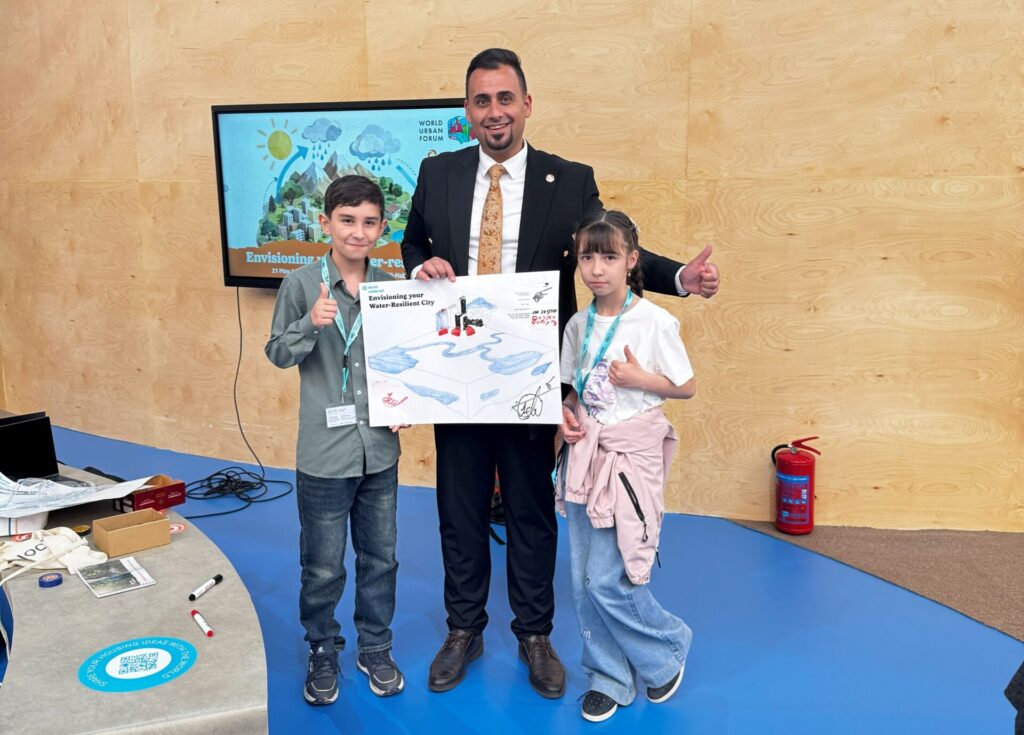
The partnership has also remained active on the international stage. During the World Urban Forum in Baku, a session on “envisioning your water-resilient city” brought together more than 50 participants, including children, youth, women, experts and citizens. The interactive session encouraged participants to place water at the centre of urban planning and future city design.
Through strong collaboration, local ownership and a continued focus on practical solutions, the Blue Deal partnership in the Palestinian territories is making meaningful progress towards sustainable and locally anchored water management – even under difficult circumstances.