
At the end of April, technical staff from ARA-Sul, IP (Mozambique) and JRBA (Eswatini) came together to address the challenges posed by the transboundary Umbeluzi River, in an initiative facilitated by the Blue Deal Mozambique and Eswatini programmes.
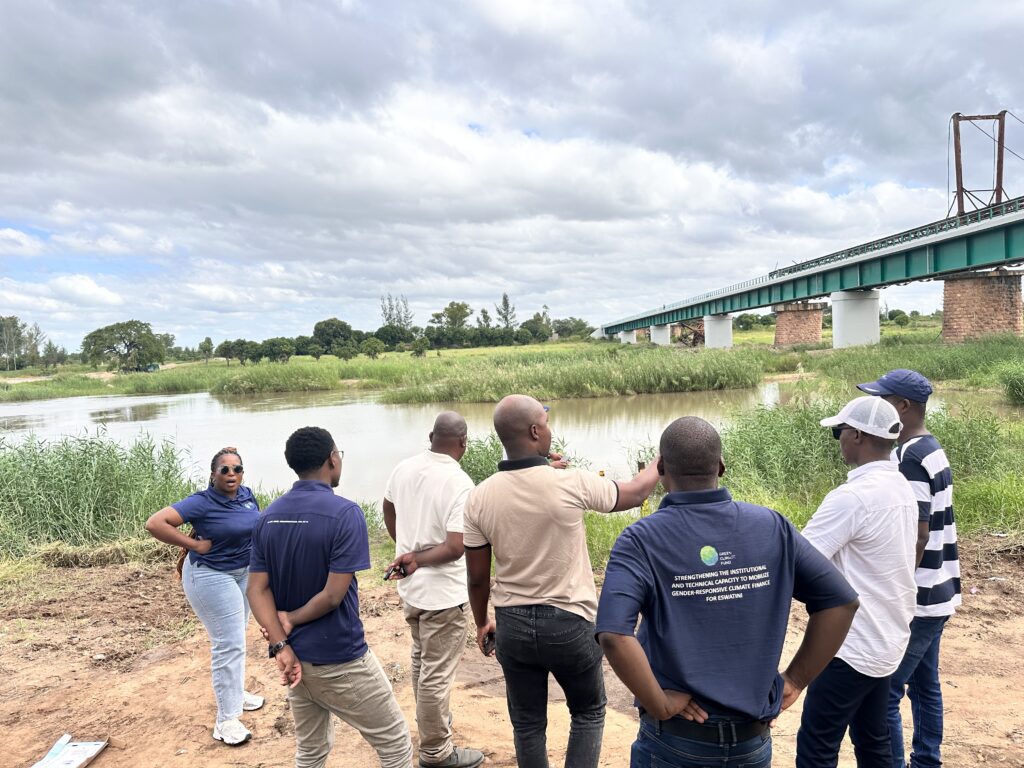
The meeting focused on exchanging experiences and best practices in hydroclimatological monitoring systems, while strengthening technical and institutional capacities in hydrological data management and response mechanisms to extreme events. This is increasingly important as climate variability intensifies and severe hydrometeorological events occur more frequently.
Reinforcing regional transboundary cooperation
The meeting focused on exchanging experiences and best practices in hydroclimatological monitoring systems, while strengthening technical and institutional capacities in hydrological data management and response mechanisms to extreme events. This is increasingly important as climate variability intensifies and severe hydrometeorological events occur more frequently.
This meeting forms part of the second phase of both Blue Deal programmes, which also support initiatives such as the REMCO conferences, the GLOW project, and communities of practice (CoP) aimed at the integrated and sustainable management of shared watercourses.
The first session of this cooperation focused on assessing the current state of hydroclimatic monitoring networks in the Umbeluzi Basin. It identified key operational challenges, as well as the need to rehabilitate and modernise priority monitoring stations to enable joint data collection.
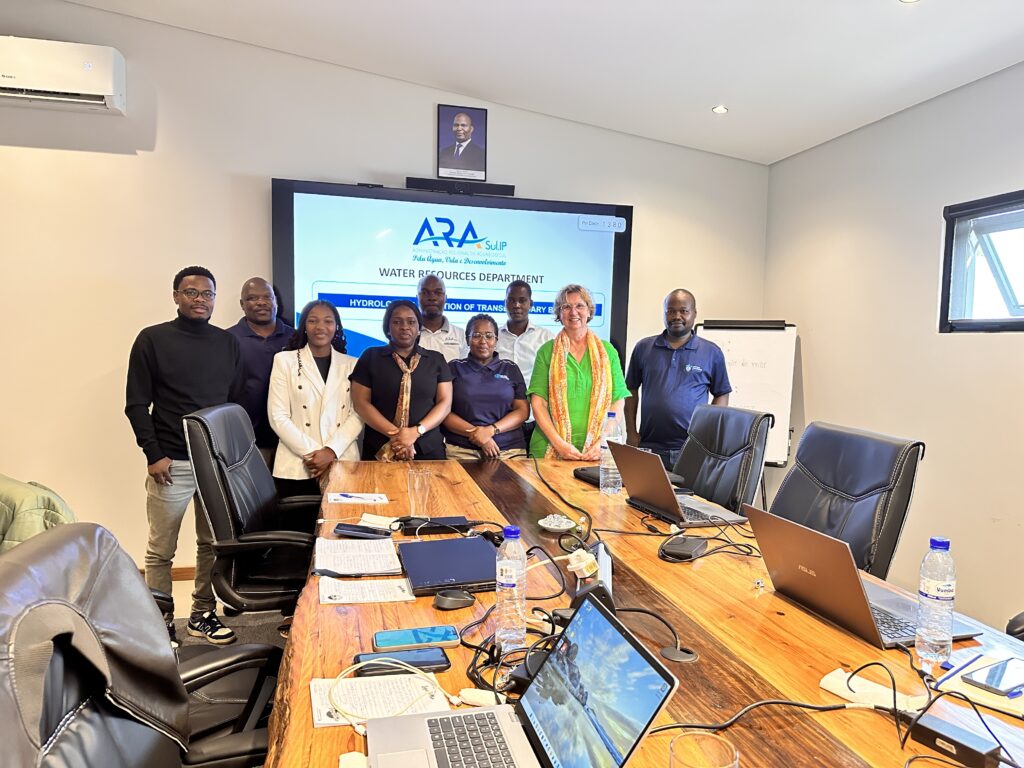
Participants also explored opportunities to improve interoperability of the HydroNET platform and to strengthen data-sharing mechanisms between the two institutions.
In addition, the session laid the foundations for developing a joint action plan, including priority intervention areas, institutional responsibilities and the next steps for implementing agreed activities.
The agreements reached are expected to contribute to more efficient water management in both countries, with a particular impact in the Maputo region, where the Umbeluzi River serves as both a vital water supply source and an area prone to flooding.